Find a Panic Disorder and Panic Attacks Therapist in South Carolina
This page lists therapists across South Carolina who focus on panic disorder and panic attacks. Use the directory below to review clinicians by location, approach, and availability to find a good fit for your needs. Browse the listings to connect with providers serving Charleston, Columbia, Greenville, Myrtle Beach, and other areas.

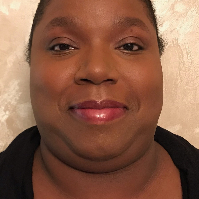






Melvin DuBard
LPC
South Carolina - 15 yrs exp












How therapy for panic disorder and panic attacks typically works in South Carolina
If you decide to pursue therapy for panic disorder or recurrent panic attacks, you can expect a structured, goal-oriented process that starts with assessment and moves into targeted strategies. During early sessions you and your therapist will review your recent experiences, typical triggers, and how panic symptoms affect daily life. That initial assessment helps shape a treatment plan that fits your needs, whether you live in Charleston, a rural county, or anywhere in between.
Therapists who specialize in panic often use evidence-based approaches such as cognitive-behavioral techniques that focus on changing the thoughts and behavioral patterns that contribute to sudden panic. You may practice breathing and grounding strategies, learn to notice how avoidance keeps anxiety strong, and gradually build tolerance to feared sensations through guided exposures. Progress is typically measured in how well you can manage symptoms and return to activities you value, rather than in eliminating every anxious feeling.
Finding specialized help for panic disorder and panic attacks in South Carolina
When you begin your search, consider clinicians who list panic disorder or panic attacks as a focused area of care. In urban centers like Columbia and Greenville you will often find therapists with specific training in anxiety disorders, while smaller communities may offer clinicians who work with general anxiety but have relevant experience. Asking about a therapist's training, typical treatment approach, and experience with panic-related issues will help you understand whether they are a good match. If you prefer a certain modality - for example cognitive-behavioral therapy, exposure therapy, or acceptance-based approaches - you can prioritize clinicians who describe those methods in their profiles.
Insurance participation and sliding scale options vary widely across the state. If affordability is a priority, check a clinician's profile for billing details or reach out to their office to ask about payment plans. Some therapists offer reduced-fee sessions based on income or have suggestions for community resources in South Carolina that can provide additional support between sessions.
What to expect from online therapy for panic disorder and panic attacks
Online therapy has become a practical option for many people in South Carolina, especially if you live outside metropolitan areas or have limited daytime availability. When you begin virtual sessions you will typically join your therapist over a video platform at a scheduled time, and many clinicians also offer phone sessions or text-based messaging as supplements. You can expect the same core techniques used in face-to-face therapy to be adapted for a remote format - for example, guided breathing exercises, cognitive restructuring, and gradual exposure tasks that you can practice at home.
One advantage of online therapy is the ability to work with specialists who are based in Charleston or Columbia but see clients statewide. This can be particularly helpful if you want a therapist with a specific background or training that is less common in your immediate area. In preparation for your first online appointment, ensure you have a quiet, comfortable environment where you can focus and participate without interruption. Your therapist can help you plan how to practice exposure exercises safely from home and how to access local supports if you need them between sessions.
Common signs that someone in South Carolina might benefit from therapy for panic
You may consider seeking help if panic attacks or persistent worry are affecting your day-to-day functioning. Signs include repeated, unexpected episodes of intense fear or physical symptoms such as heart palpitations, shortness of breath, dizziness, or a sense of losing control. You might find yourself avoiding places or activities because you fear having an attack, or you may be spending a lot of time trying to predict or prepare for possible attacks. These patterns can make work, school, relationships, and routine tasks more difficult and may lead to increased isolation.
If panic symptoms are tied to other concerns such as substance use, mood changes, or difficulty sleeping, it is reasonable to raise these topics in your first sessions. A therapist can work with you to create a comprehensive plan that addresses overlapping issues while prioritizing immediate safety and symptom reduction. Seeking help early often makes it easier to build coping skills and regain confidence in daily life.
Tips for choosing the right therapist for panic disorder and panic attacks in South Carolina
Choosing a therapist is a personal decision. Start by identifying what matters most to you - location, treatment approach, scheduling flexibility, or ability to see you online. If proximity is important, look for clinicians who list offices in cities you may visit such as Charleston, Columbia, Greenville, or Myrtle Beach. If you need evening or weekend appointments, check availability before scheduling an initial consultation. Many therapists offer a brief intake call that lets you ask about their experience with panic and get a sense of their style before committing to ongoing sessions.
When you contact a prospective therapist, consider asking how they typically work with panic disorders, what strategies they use in early sessions, and how they track progress. You may also want to ask about collaboration with other providers, such as primary care physicians, especially if you are exploring medication alongside therapy. Trust your impressions. A therapist who listens carefully, explains their approach in clear terms, and outlines a plan for the first few sessions is likely to provide a practical and respectful path forward.
Practical considerations and next steps
Once you select a therapist, plan how to make the most of your sessions. Keep a simple log of panic episodes and note triggers, intensity, and coping steps that help. Share this information with your clinician so they can tailor interventions to your experience. If you live in a more rural part of South Carolina, online options can bridge geographic gaps and connect you with specialists based in larger cities. If you are juggling family or work responsibilities, discuss scheduling flexibility and homework expectations up front so therapy fits into your life.
Recovery and management look different for everyone. For some people, therapy reduces the frequency and intensity of attacks and helps them reclaim activities they avoided. For others, therapy offers tools to respond to panic with less fear and more agency. Wherever you are in that process, selecting a clinician who understands panic disorder, communicates clearly, and helps you set realistic goals will make it easier to move toward more manageable days. When you are ready, use the listings above to find a therapist in South Carolina who matches what you need and take the first step toward care.