Find a Paranoia Therapist in South Carolina
Find therapists who focus on paranoia and related concerns throughout South Carolina. Browse profiles below to compare approaches, credentials, and availability in Charleston, Columbia, Greenville, and nearby communities.








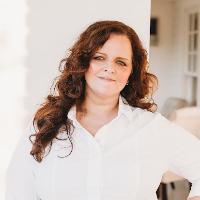
Mary Dellinger
LPC
South Carolina - 10 yrs exp









How paranoia therapy typically works for South Carolina residents
If you are seeking help for persistent mistrust or worry that others intend you harm, therapy begins with careful assessment and rapport building. Your therapist will take time to understand your experiences, current stressors, and how symptoms affect your daily life - including work, school, and relationships. Early sessions usually involve gathering history, clarifying what triggers distress, and identifying patterns of thinking and behavior that make you feel unsafe. From there you and your clinician will set goals together and choose techniques that fit your needs and values.
Therapeutic approaches commonly used for concerns related to paranoia focus on reducing distress, improving day-to-day functioning, and strengthening coping skills. Treatment may prioritize cognitive approaches that help you test thoughts against evidence and develop alternative ways of interpreting ambiguous situations. It can also include strategies to lower anxiety, manage hypervigilance, and rebuild trust in relationships. In many cases therapists collaborate with other healthcare providers when medication or medical evaluation could support progress.
Finding specialized help for paranoia in South Carolina
When you look for a specialist in South Carolina, consider clinicians who explicitly list experience with paranoia, suspicious thinking, or related anxiety and trauma concerns. That experience can come from focused training, supervised clinical work, or years of treating people with similar challenges. You may find clinicians offering in-person services in the state’s larger cities such as Charleston, Columbia, and Greenville, while others provide telehealth appointments that reach smaller towns and rural areas. If you prefer face-to-face meetings, check availability in your region; if you need remote care, verify that the clinician is authorized to practice with you in South Carolina.
Because terminology and training vary, it helps to read profiles and intake information carefully. Some clinicians identify primarily as psychologists, counselors, or social workers, and each brings different training backgrounds. Asking about experience with paranoia-related symptoms, typical treatment plans, and comfort working with issues like mistrust and social withdrawal will help you find someone whose style matches your needs. If cultural fit matters to you, look for mention of cultural competence, language options, or experience with communities represented in cities like Charleston and Columbia.
What to expect from online therapy for paranoia
Online therapy has become a common way to access care across South Carolina, offering convenience and more scheduling options. When you choose virtual sessions, expect an initial intake that may include completing paperwork online and a first meeting to review history and safety. Therapists typically use video sessions to observe nonverbal cues and maintain a sense of presence similar to in-person care. You should be able to ask about how the clinician handles privacy, data protection, and emergency planning before you begin.
Virtual therapy can be useful if you live outside major metro areas or have mobility or transportation constraints. It also allows you to match with a therapist whose experience fits your needs even if they work from a different South Carolina city. To make virtual work well, plan a quiet, comfortable environment for sessions, test your internet connection, and discuss what to do if you feel distressed between appointments. Some people find that working on trust and testing beliefs is especially effective when they can practice in real-life contexts between sessions with guidance from their clinician.
Common signs that someone in South Carolina might benefit from paranoia therapy
You might consider reaching out for help if you notice persistent patterns that interfere with life in meaningful ways. These patterns include frequent suspicion of others without clear evidence, interpreting neutral events as deliberate slights or threats, or feeling consistently on guard and unable to relax. Social withdrawal, difficulty maintaining friendships or work relationships, and repeated conflicts rooted in mistrust are also signals that therapy could help. Additionally, if worry about others leads you to avoid everyday activities or causes intense anxiety, getting professional support can provide new strategies and relief.
It is also worth seeking help if loved ones express concern about changes in your behavior, or if you find it hard to take part in community life in cities like Greenville or Columbia because of fear or mistrust. If you are unsure whether your experiences warrant therapy, an initial consultation can clarify whether a focused treatment plan would be beneficial.
Choosing the right therapist for paranoia in South Carolina
Look for relevant experience and approach
When evaluating clinicians, pay attention to whether they emphasize working with paranoia, suspicious thinking, anxiety, or trauma. Ask about specific therapeutic methods they use, such as cognitive strategies that address distorted beliefs, techniques to reduce hypervigilance, and ways to rebuild trust in relationships. Some therapists explain their process clearly on their profile pages, while others will outline it during an initial call. You should feel comfortable asking about progress expectations, typical session length, and how goals are measured.
Consider logistics and accessibility
Practical factors matter. If you need in-person sessions, check for availability in nearby cities like Charleston or Myrtle Beach. If you prefer telehealth, verify that the clinician can provide services to people living in South Carolina and that they use platforms with protections for your communications. Consider appointment times, whether evening or weekend slots are offered, and what insurance or payment options are accepted. If cost is a concern, ask about sliding scale fees or community resources that may help you access care.
Ask about collaboration and crisis planning
Therapists who work with paranoia often coordinate with medical providers, family members, or other supports when appropriate. You can ask how the therapist approaches collaboration, and whether they have a plan for managing crises or moments of high distress. A thoughtful clinician will describe how they keep you informed, involve other professionals when needed, and create step-by-step plans you can use between sessions to stay safe and grounded.
Trust and fit matter
Because issues related to mistrust are central, the therapeutic relationship itself becomes an important part of treatment. You should look for a clinician who listens without judgment, explains interventions clearly, and invites your feedback about what feels helpful. It is normal to try a few clinicians before finding the right fit - many people in South Carolina explore options until they find someone they feel comfortable working with.
Practical next steps for getting started
Begin by reviewing clinician profiles and noting a few who describe relevant experience and an approach you understand. Reach out for an initial consultation to ask about their experience with paranoia, how they structure treatment, availability, and fees. If you live near Charleston, Columbia, or Greenville you may prefer an in-person option for some sessions, while others elect a mix of in-person and virtual work. Prepare a brief summary of your concerns and goals to share at the first meeting - this helps the clinician design a focused plan.
Finding the right therapist takes time, but many people notice improvement once they have a plan, practice new skills, and receive steady support. If you feel overwhelmed making choices, start with one consultation and treat it as an information-gathering step. Use what you learn to make a decision that feels manageable and aligned with your needs.
Where to look next
Use the listings above to compare clinicians in South Carolina by location, specialties, and approach. Whether you prefer in-person sessions in a nearby city or telehealth that fits your schedule, the profiles can help you narrow options and contact therapists directly. Taking that first step to request an appointment is often the most important move toward feeling better equipped to manage paranoia-related challenges in your daily life.