Find a Seasonal Affective Disorder (SAD) Therapist in South Carolina
This page lists therapists who specialize in Seasonal Affective Disorder (SAD) across South Carolina, including both in-person and online options. Use the listings below to compare specialties, credentials, and availability.


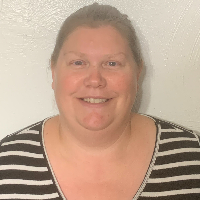








Cynthia Byas
LMFT
South Carolina - 10 yrs exp











Understanding how Seasonal Affective Disorder therapy works where you live
If you notice changes in mood, energy, or sleep that come and go with the seasons, seeking targeted support can help you manage those patterns. In South Carolina, seasonal shifts tend to be milder than in northern states, but reduced daylight in winter months and changes to routine can still affect daily functioning. Therapy for seasonal mood changes focuses on identifying patterns, building strategies to maintain daily rhythms, and developing tools to manage low mood when it appears. When you begin therapy, your clinician will work with you to assess how seasonal factors intersect with work, family life, and other responsibilities that are shaped by your local environment.
Finding specialized help for Seasonal Affective Disorder in South Carolina
Looking for a therapist who understands SAD means finding someone familiar with both mood-related symptoms and seasonal triggers. Start by checking practitioner profiles for training in mood disorders, experience with cognitive-behavioral approaches, and familiarity with behavioral activation techniques that target energy and activity levels. If you live in urban areas like Charleston, Columbia, or Greenville, you may find clinicians who offer both in-person and online sessions, which can make it easier to maintain continuity of care when weather or travel interferes with your routine. In coastal communities such as Myrtle Beach, clinicians may also be attuned to lifestyle factors tied to tourism and seasonal employment that can exacerbate mood shifts at certain times of year.
What therapy for Seasonal Affective Disorder typically involves
Therapy for seasonal mood changes often begins with a careful evaluation of symptoms, daily habits, and seasonal patterns. Your therapist will ask about sleep, appetite, energy levels, concentration, and how your mood changes across months. From there, the work usually centers on establishing a consistent daily structure - regular wake and sleep times, planned activities that promote engagement, and pacing strategies that help you conserve energy while staying active. Cognitive work helps you recognize negative thinking that can deepen low mood, while behavioral strategies encourage small, doable steps to re-engage with valued activities. Therapists will often include tracking tools so you and your clinician can see progress linked to weather, daylight hours, and life events.
Therapeutic approaches you may encounter
You are likely to see cognitive-behavioral therapy adapted for seasonal patterns because it targets both thought patterns and behavior changes that maintain low mood. Behavioral activation is commonly used to counteract withdrawal by scheduling meaningful activities that match your energy level. Some therapists may incorporate light exposure strategies into treatment planning by advising on ways to increase daylight exposure and adjust indoor lighting, though that is discussed as a lifestyle strategy rather than a medical prescription. Therapy is collaborative, so you and your clinician will set goals that fit your daily life in South Carolina, whether you commute into Charleston, work from home near Columbia, or split the seasons between upstate Greenville and the coast.
What to expect from online therapy for Seasonal Affective Disorder
Online therapy expands your options and can be especially helpful during late fall and winter when travel or weather make in-person visits harder. When you choose teletherapy, you can have more flexible scheduling and access to clinicians with specific SAD experience who may be located in other parts of the state. During virtual sessions, you will work on the same kinds of strategies as in person - routine building, activity planning, and cognitive reframing - and you can use screen sharing to review tracking sheets or mood charts with your therapist. If you live in a rural area or travel frequently, remote sessions make it easier to maintain continuity. Be sure your internet setup and a quiet place to talk are arranged ahead of sessions so you can fully engage with the work.
Common signs that you might benefit from SAD-focused therapy
You might consider seeking help if you notice a consistent pattern of mood changes that aligns with seasonal shifts. Common early indicators include lowered energy, increased sleep or a tendency to oversleep, changes in appetite or weight, reduced interest in activities you normally enjoy, and difficulty concentrating. You may also find yourself withdrawing from social interactions or needing more time to recover after social events. If these patterns reliably return each year and interfere with your work or relationships, a clinician who understands seasonal patterns can help you develop coping strategies and a plan to reduce the impact of those months on daily life.
Choosing the right therapist for Seasonal Affective Disorder in South Carolina
Choosing a therapist is a personal decision and you should look for someone whose approach matches your needs. Consider therapists who list experience with mood disorders, mention behavioral activation or cognitive-behavioral therapy, and describe working with seasonal patterns in their profiles. You may want to ask about their experience helping clients maintain routines through seasonal transitions and whether they collaborate with other providers when needed. Practical considerations matter too - check whether they offer evening appointments if your work hours change seasonally, and whether they provide virtual sessions for times when travel or weather make it hard to attend in person. If you live near Charleston, you may prioritize therapists familiar with urban work-life rhythms. If your day-to-day is shaped by rural or coastal work, a clinician who understands those local stressors may be a better fit.
Questions to ask during an initial consultation
When you contact a therapist, it is helpful to ask how they typically approach seasonal mood changes and what a typical course of therapy looks like. Ask about goal-setting, how progress is measured, and how treatment is adjusted as the seasons change. If you are considering online sessions, confirm their approach to virtual care and how they make homework assignments or mood tracking accessible between sessions. You should also inquire about practical matters such as session length, cancellation policies, and fees so you can plan consistently throughout the year.
Practical tips for managing seasonal mood changes between sessions
Therapeutic work continues outside appointments. You can support progress by maintaining regular sleep-wake times, planning small daily activities that bring satisfaction, and staying connected to friends and family even when you do not feel like socializing. Light exposure is an important day-to-day consideration - try to get natural light early in the day when possible, and use bright indoor lighting in the morning hours if your schedule keeps you inside. If you live near the coast in Myrtle Beach or commute into Columbia, note how travel and daylight affect your routine and discuss adjustments with your therapist so your plan fits local realities. Regular exercise, even in brief sessions, and balanced meals can help stabilize energy levels as seasons shift.
How to get started
Begin by browsing practitioner profiles to find clinicians who list SAD or mood-related specialties. Narrow your search by practical criteria such as availability, modality - in-person or online - and areas of expertise. Reach out for an initial consultation to discuss your seasonal pattern, current symptoms, and what you want to change. That conversation will give you a sense of rapport and whether the clinician’s approach aligns with your goals. Over time, therapy can give you tools to anticipate seasonal shifts and reduce their impact on your day-to-day life so you can focus on the activities and relationships that matter most to you.
Whether you live in Charleston and prefer in-person visits, in Columbia with a hybrid schedule, near Greenville with limited local options, or on the coast around Myrtle Beach seeking flexible telehealth appointments, you can find a clinician who understands how seasonal changes affect your life. Use the listings above to compare specialties and reach out to start a conversation about the right plan for you.