Find a Sexual Dysfunction Therapist in South Carolina
This page features therapists who specialize in sexual dysfunction across South Carolina. Each listing highlights areas of expertise, treatment approaches, and the care options offered by providers in the state. Browse the profiles below to find a clinician who matches your needs and preferences.


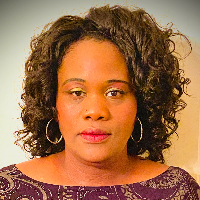


Cynthia Byas
LMFT
South Carolina - 10 yrs exp










How sexual dysfunction therapy typically works for South Carolina residents
Sexual dysfunction therapy is often a collaborative process that focuses on understanding the emotional, relational, and physical factors affecting sexual wellbeing. When you begin working with a specialist, the first few sessions usually involve a thorough assessment - discussing your history, relationship dynamics, sexual health concerns, and the goals you hope to achieve. Therapists may ask about medical history and any medications that could influence sexual function, and they will explore the social and psychological context of your experiences. For people who live in South Carolina, this work can occur in a therapist’s office in a community like Charleston or Columbia, or through remote sessions if that option is provided by the clinician.
After assessment, your therapist will outline a treatment plan that can include education about sexual response, communication skills training for you and your partner, behavioral exercises to reduce performance pressure, and strategies to manage anxiety or mood concerns that affect intimacy. The pace and techniques vary depending on whether the issues are primarily physiological, relational, or psychological. Throughout therapy, you and your therapist will monitor progress and adjust interventions to fit your goals.
Finding specialized help for sexual dysfunction in South Carolina
Locating a clinician with specific experience in sexual dysfunction can feel overwhelming, but narrowing your search by credentials and focus helps. Look for therapists who list sexual health, couples therapy, or related specialties on their profiles. Many South Carolina providers note experience working with conditions such as low desire, erectile challenges, painful intercourse, or difficulty reaching satisfaction. You can also consider whether you prefer someone who offers couple sessions or individual work, and whether you value a clinician who collaborates with medical providers to ensure a comprehensive approach.
Geography matters when you prefer in-person care. If you live near the coast, searching for providers in Charleston or the Grand Strand region around Myrtle Beach may make scheduling easier. If you are in the central part of the state, Columbia offers a range of therapists with varied backgrounds. In the upstate, Greenville has clinicians who combine clinical experience with training in sexual health. When location is less important, many providers offer remote appointments that can extend access across the state.
What to expect from online therapy for sexual dysfunction
Online therapy can expand your options, especially if local specialty services are limited. When you choose teletherapy, sessions are typically conducted through video calls and follow a similar structure to in-person appointments: assessment, goal setting, and therapeutic exercises. Online sessions can be particularly helpful for psychoeducation, talk-based interventions, and learning communication techniques with your partner. Some behavioral exercises may be adapted for remote guidance, and therapists often provide written materials or homework to support practice between sessions.
To get the most from online therapy, ensure you have a comfortable, distraction-free setting for sessions. Discuss with your clinician how they handle session notes and follow-ups, and clarify scheduling logistics and technical expectations. While online care opens possibilities for residents in rural parts of South Carolina, some issues that require medical evaluation will involve coordination with local health providers. A therapist can help you identify when a medical consultation is advisable and how to pursue one in your area.
Common signs you might benefit from sexual dysfunction therapy
You might consider seeking help if sexual experiences lead to persistent frustration, avoidance, or distress for you or your partner. Signs that therapy may be beneficial include ongoing difficulty with desire or arousal, repeated erectile problems, pain during intercourse, or a pattern of anxiety or avoidance around intimacy that interferes with relationships. Changes in sexual response following surgery, childbirth, or a health event can also prompt people to look for specialized support. If sexual concerns begin to affect your mood, self-esteem, or communication with your partner, therapy offers tools for addressing both the emotional impact and the practical steps toward improvement.
Therapy is not only for individuals in long-term relationships. People who are dating, single, or exploring changes in sexual identity can also find value in working with a clinician who understands sexual health. In South Carolina’s varied communities, from college towns to coastal resorts, you can find therapists who are experienced in working with diverse life circumstances and cultural backgrounds.
Tips for choosing the right therapist for sexual dysfunction in South Carolina
Choosing a therapist is a personal decision that benefits from careful consideration. Start by reviewing provider profiles to note training, specialties, and treatment approaches. You may prefer someone with explicit training in sex therapy, couples therapy, or related modalities. Consider practical factors such as whether the clinician offers evening appointments, accepts your insurance, or provides teletherapy. If in-person visits are important, look for clinicians based in cities like Charleston, Columbia, Greenville, or near Myrtle Beach for easier access.
When you contact a prospective therapist, ask about their experience with concerns like yours and how they measure progress. A good clinician will explain their approach in clear language and offer an initial session or consultation to help you decide if the fit feels right. Trust your instincts about comfort and rapport - feeling understood and respected is an important part of the healing process. If you are working with a partner, consider whether the therapist is comfortable including the partner in sessions and helping both of you learn new communication patterns.
Coordination with medical care and local resources
Sexual health often sits at the intersection of medical care and psychotherapy. Your therapist can help you identify when a medical evaluation is appropriate and may coordinate with primary care providers, gynecologists, urologists, or other specialists in South Carolina. In larger metro areas like Columbia and Charleston, you may find multidisciplinary clinics or specialist networks that streamline this collaboration. If you live in a smaller town, your therapist can still provide referrals and guidance on how to pursue diagnostic testing or medical treatments locally.
Making the first appointment and what comes next
To make the first appointment, reach out via the contact method on the therapist’s profile, inquire about availability, and ask any preliminary questions you need answered. Before your first full session, you may be asked to complete intake forms that cover medical history and current concerns. Early sessions are focused on building a working plan and creating clear, achievable goals. Over time, you and your clinician will track changes and refine techniques according to what helps most.
Whether you live near historic neighborhoods in Charleston, the state capital in Columbia, the growing communities of Greenville, or the beaches around Myrtle Beach, there are professionals who specialize in sexual dysfunction and can help you navigate this chapter of life. Taking that first step to review profiles and reach out is a practical way to move toward improved intimacy, communication, and overall wellbeing.