Find a Coaching Therapist in South Dakota
This page connects you with Coaching therapists who serve South Dakota, including clinicians offering both in-person and remote sessions. Browse the listings below to compare specialties, approaches, and service areas near Sioux Falls, Rapid City, and Aberdeen.


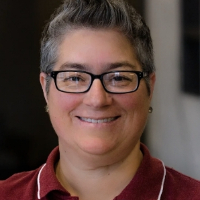
Kathryn Sims
LPC
South Dakota - 8 yrs exp






How coaching therapy works for South Dakota residents
Coaching therapy blends goal-focused coaching techniques with evidence-informed counseling skills to help you move from where you are to where you want to be. In South Dakota this approach is often adapted to fit your lifestyle and the realities of living in both urban centers and rural communities. Sessions typically start with an assessment of current challenges and priorities, followed by collaborative goal-setting. Your therapist-coach helps you break large goals into manageable steps, track progress, and adjust strategies when obstacles arise. The practical orientation of coaching can complement traditional therapy when you are looking for actionable change rather than crisis-focused care.
Process and session structure
You can expect an initial meeting to clarify what you want to achieve and how coaching will support those outcomes. Sessions commonly last between 45 and 60 minutes and may occur weekly or every other week depending on your needs. Many coaches use short-term plans that emphasize measurable milestones, homework assignments, and regular check-ins to maintain momentum. In South Dakota, providers often consider local factors such as work schedules tied to agriculture, small business demands, or seasonal industries when recommending a cadence for sessions.
Typical coaching approaches
Different therapists bring varied models to coaching. Some draw on cognitive-behavioral techniques to help you change unhelpful thought patterns, while others emphasize strengths-based or solution-focused methods to accelerate progress. Executive and career coaching tends to concentrate on leadership skills, workplace communication, and career transitions. Life coaching often targets work-life balance, habit change, and personal goal attainment. When you search for a coach in South Dakota, look for described approaches that match how you prefer to work - whether you want structured homework, reflective conversation, or strategic planning.
Finding specialized help for coaching in South Dakota
Finding a coach who understands your background and priorities will make the work more effective. If you live in Sioux Falls or Rapid City, you may have access to a wider range of specialties and clinicians with experience in executive, career, or performance coaching. In smaller towns and rural areas you may prioritize a therapist who understands the rhythms of rural life and local industries. Consider whether you want someone familiar with the cultural and economic landscape of South Dakota, including community norms and common stressors that can shape your goals.
You can refine your search by looking for coaches who list specific specialties such as career change, leadership development, life transitions, or habit formation. Many therapists include information about their training and certifications, which can help you gauge their approach. You may also find it useful to read profiles to see whether a clinician mentions experience working with populations similar to yours, such as small business owners, professionals balancing family and work, or students and young adults in Aberdeen and other college towns.
What to expect from online therapy for coaching
Online coaching has become a practical option for many people across South Dakota, especially if travel time to a city like Sioux Falls or Rapid City would be substantial. When you choose online sessions, expect secure video or phone platforms, a straightforward onboarding process, and guidance about how to prepare for each meeting. You should plan to be in a quiet, distraction-free place during sessions so you can focus on the conversation and any exercises. Your therapist-coach may share worksheets, goal trackers, or brief exercises you can use between sessions to reinforce progress.
Online coaching offers flexibility for scheduling and can make it easier to maintain consistent work even if your week is irregular. Communication outside of sessions varies by provider - some offer brief check-ins by message or email, while others reserve contact for scheduled appointments. Be sure to ask about average response times and boundaries so you know what to expect. Online work is also a good option if you want to connect with a specialist who is not located near you, while still receiving personalized support that respects your local context.
Common signs that someone in South Dakota might benefit from coaching therapy
You might consider coaching therapy if you feel stuck in a transition - perhaps a career pivot, a shift in family responsibilities, or a new leadership role. If goal-setting alone has not produced results, coaching can provide structure, accountability, and strategies to overcome plateaus. You may also find coaching helpful if you are managing chronic overwhelm or burnout and want concrete tools to restore balance and prioritize effectively.
Other common reasons South Dakotans seek coaching include difficulty making a major decision, a desire to improve workplace performance, challenges sustaining motivation, or the need to develop specific skills like public speaking or time management. Coaching can also support better work-life integration for people juggling farm operations, seasonal work, or commuting between towns. If you are curious whether coaching fits your situation, a brief consultation with a coach can clarify whether the approach aligns with your goals.
Tips for choosing the right therapist for coaching in South Dakota
Start by clarifying what you want to achieve and how quickly you hope to see change. This will help you evaluate whether a provider emphasizes short-term goal work or a longer therapeutic process. Look for therapists who describe measurable outcomes, a coaching framework that resonates with you, and clear information about session frequency and fees. If cost is a concern, ask about sliding scale options or lower-cost alternatives; many clinicians explain payment structures on their profiles or in initial conversations.
Consider logistics such as location and availability. If you prefer in-person meetings, search for providers near Sioux Falls, Rapid City, Aberdeen, or your local community. If you need flexibility, prioritize clinicians who offer online sessions at times that fit your schedule. Ask potential coaches about their experience working with clients in similar life stages or industries, and request a brief consultation to gauge rapport. Trust your instincts about fit - the relationship you build with a coach influences how motivated you feel to follow through.
Also inquire about outcome tracking and how progress is measured. A coach who uses clear check-ins and adjusts strategies when something is not working will help you stay on track. Ask about typical session structure so you know whether you will receive tools and exercises to use between meetings. Finally, make sure any administrative questions - such as cancellation policies and rescheduling options - are answered up front so you can plan with confidence.
Moving forward
Whether you are in Sioux Falls, driving from a nearby rural community, or connecting from Rapid City or Aberdeen, coaching therapy can be tailored to your needs and schedule. Use the listings above to explore profiles, read about approaches, and find a clinician whose experience and style match your goals. Taking that first step - reaching out for a consultation or introductory session - can clarify how coaching might help you create practical change and build momentum toward the life you want.