Find an LGBT Therapist in South Dakota
This page connects people seeking LGBT-affirming therapy with licensed clinicians across South Dakota. Browse the listings below to view therapist profiles, areas of expertise, and available appointment options.
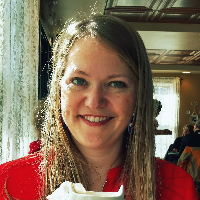
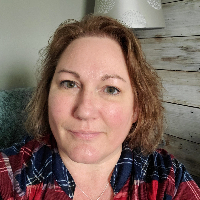
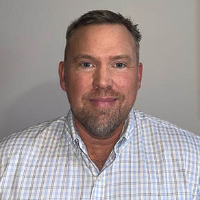
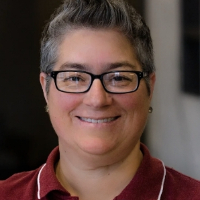
Jaeron-Rae Dukes
LPC
South Dakota - 3 yrs exp








How LGBT therapy typically works for South Dakota residents
When you reach out for LGBT-focused therapy in South Dakota, the process often starts with an initial contact and intake session. That first conversation lets you and the clinician set goals, review background information, and talk about what matters most to you - whether it is navigating identity, relationships, family support, or stressors tied to community life. Therapists who specialize in LGBT issues aim to create a respectful and understanding setting where your experiences are heard and validated. Over time sessions are shaped by practical strategies and emotional processing that align with your values and pace.
In more urban centers such as Sioux Falls, clinicians may offer a wider range of specialty services and multidisciplinary connections, while in smaller towns and rural counties you may find clinicians who provide broad, community-oriented support. Either way, many providers work with people across the state and tailor their approach to accommodate local cultural contexts and the realities of living in South Dakota.
Finding specialized LGBT help in South Dakota
When searching for a therapist who is a good fit for LGBT concerns, look for clinicians who list LGBT-affirming training, experience with gender identity or sexual orientation issues, or familiarity with the social challenges queer people often face. You can prioritize clinicians who mention trauma-informed care, family systems work, couples and relationship counseling, or youth and adolescent support depending on your needs. In Sioux Falls or Rapid City you may find clinicians who collaborate with local clinics and community groups, which can make it easier to access complementary resources.
If you live in Aberdeen or in a rural community, consider looking for clinicians who offer flexible scheduling or online appointments to reduce travel time. Asking about clinical experience with specific issues - such as coming out, relationship dynamics, intersectional identity concerns, or navigating faith communities - can help you gauge whether a clinician’s background matches what you want to address. A transparent profile that lists training, therapeutic orientation, and areas of focus will give you useful information when deciding whom to contact.
What to expect from online therapy for LGBT clients
Online therapy expands access for people across South Dakota, especially where in-person options are limited. If you choose virtual sessions, expect to use a videoconferencing platform or phone calls for regular meetings. Many clinicians follow similar structures online as they do in person - intake, collaborative goal setting, therapeutic work, and periodic reviews of progress. Online work can be especially helpful if you live far from Sioux Falls, Rapid City, or Aberdeen, or if you need more discreet scheduling options.
Before starting online therapy, ask about technical requirements, appointment logistics, and whether the clinician has experience offering LGBT-affirming care remotely. Discuss how to handle emergencies, time zone differences if relevant, and what to do if a session is interrupted. A good clinician will help you establish boundaries for the online work and offer ideas to make sessions feel personal and effective even when you are not in the same room.
Signs someone in South Dakota might benefit from LGBT-focused therapy
You might consider seeking LGBT-focused therapy if you feel persistently isolated because of your identity, experience stress when thinking about revealing your orientation or gender to family or friends, or notice that relationships are strained by identity-related conflicts. Anxiety about acceptance at work, school, or within faith communities can also be a reason to reach out. If you are managing past trauma related to harassment or discrimination, finding a clinician experienced with LGBT issues can help you process those experiences in ways that respect the impact on your life.
Other signals include ongoing feelings of low mood, difficulties with self-esteem tied to identity, confusion or distress about gender expression, or the desire for support navigating medical and social aspects of gender transition. If you are supporting a partner or family member and want guidance on how to respond in affirming ways, family or couples counseling with an LGBT-competent therapist can be a useful option. Therapy is not only for crises - it can also help you build resilience, strengthen relationships, and make thoughtful life changes.
Practical tips for choosing the right LGBT therapist in South Dakota
Start by clarifying what you want from therapy. If you need someone with experience helping transgender clients, look for clinicians who mention gender-affirming practice. If family dynamics are the priority, search for therapists who list family systems or couples work. Consider whether you prefer in-person sessions in Sioux Falls or Rapid City or are open to online appointments that make it easier to connect from a smaller town or rural area.
When you contact a potential therapist, it is reasonable to ask about their approach to LGBT issues, how they use pronouns, what steps they take to create an inclusive session, and whether they work with medical providers for transition-related care when applicable. Ask about logistics that matter to you - session length, fees, insurance or sliding scale options, cancellation policies, and what to expect in the first few meetings. Trust your instincts during the first sessions - if you feel heard and respected you are more likely to get value from the work.
Consider practical matters too. For people in South Dakota, travel time and appointment availability are real constraints. Therapists based in larger cities may have more flexible hours or additional services, while clinicians in closer communities may offer longstanding local knowledge that helps navigate regional resources. If language, cultural background, or religious context is important, seek clinicians who indicate competence in those areas so your experience is personally relevant.
Questions you can ask before committing
Before you schedule an ongoing series of sessions, you can ask a therapist how they work with LGBT clients, what training they have had, and how they handle issues like name and pronoun changes. It is also appropriate to ask about how they coordinate care with other providers if you are working with medical professionals. The answers will help you decide whether a therapist’s style and experience match your needs.
Making the most of therapy in South Dakota
Once you begin work with a therapist, set clear, achievable goals and check in about progress. If you live outside of Sioux Falls, Rapid City, or Aberdeen and rely on online sessions, plan for a quiet and comfortable place where you can focus during meetings. Bring up practical considerations like scheduling around school or work, and let your therapist know about community supports or limitations that affect your life. Therapy is most effective when it fits into your daily reality and when the clinician and you collaborate on approaches that feel realistic and respectful of your context.
Finding an LGBT-affirming therapist in South Dakota can open up new ways to cope with stress, strengthen relationships, and live more authentically. Use the listings above to explore clinician profiles, reach out with questions, and arrange introductory conversations until you find a match that feels right for you. Taking that first step can help you access the support and guidance you want for the path ahead.