Find a Relationship Therapist in South Dakota
This page highlights therapists in South Dakota who specialize in relationship and couples work, offering a mix of in-person and online options. Use the listings below to review clinicians by location, approach, and availability. Browse profiles to find someone whose training and style match your needs.

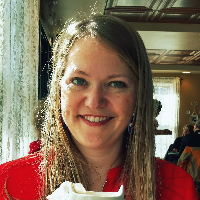
Cory Nelson
LPC
South Dakota - 25 yrs exp



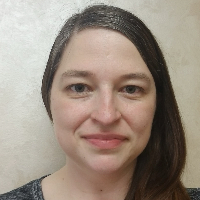
Kathryn Sims
LPC
South Dakota - 8 yrs exp
















How relationship therapy typically works for South Dakota residents
When you start relationship therapy in South Dakota, the process usually begins with an initial meeting to clarify what brings you to therapy and what you hope to change. That first session gives you and the clinician a chance to outline goals, discuss scheduling and fees, and decide whether to continue together. Some couples or partners come with a single concern - such as communication breakdown, repeated conflicts, or a major life transition - while others want ongoing support to strengthen connection and problem-solving skills. Therapists often use structured approaches that focus on interaction patterns, emotional needs, or problem-solving skills, and they adapt methods to fit the personalities and histories of the people involved.
Finding specialized relationship help in South Dakota
Relationship work can take many forms, and you can look for clinicians who emphasize couples therapy, family systems, attachment-based approaches, or sex and intimacy work. In larger communities like Sioux Falls and Rapid City you may find a broader variety of specialists, including therapists who have extra training in specific methods. In smaller towns or rural areas there are competent clinicians who integrate relationship work into broader counseling practices, and many of them offer flexible scheduling to accommodate travel and work patterns common in the state. When reviewing profiles, pay attention to therapists' stated specialties, training, and descriptions of their approach so you can identify someone with relevant experience for your situation.
What to expect from online relationship therapy
Online sessions have become a practical option for many South Dakota residents, particularly when travel to a clinic would be time consuming. You can expect an online session to retain the same basic structure as an in-person visit - check-in, focused conversation, and skill-building - while relying on video or phone for connection. Online work can be effective for communication training, conflict de-escalation, and emotion-focused interventions, and it often provides more scheduling flexibility for people who balance work, family, and other commitments. If you live outside Sioux Falls, Rapid City, or Aberdeen, online appointments can make it easier to access a therapist whose style and training are the best match for you. Before beginning, discuss with the clinician how they handle emergencies, how payment and cancellations are managed, and what technology will be used so you feel comfortable with the logistics.
Common signs you might benefit from relationship therapy
You may consider relationship therapy if you notice repeated cycles of argument that leave both partners feeling unheard, or if disagreements become more frequent and less resolvable than they used to be. A decrease in physical or emotional intimacy can also be a meaningful sign, particularly when efforts to reconnect feel stalled. Major life changes - such as moving for a job, becoming a parent, or dealing with health challenges - often trigger stress that affects the partnership, and working with a therapist can help you navigate transitions without damaging long-term trust. Additionally, if external issues like financial stress or blended family dynamics are introducing conflict, a therapist can help you develop practical strategies to manage those pressures. Therapy is not only for crisis moments - many couples choose to start sessions proactively to build stronger communication habits and prevent smaller issues from growing into larger ones.
When to consider specialized care
If your situation involves particular concerns, such as affairs, long-term patterns rooted in earlier relationships, or differences in sexual needs, seek a clinician with training and experience in those areas. Clinicians in Sioux Falls and Aberdeen tend to have access to more specialized workshops and supervision, but many therapists across the state pursue continuing education to deepen their skills. If you are unsure, look for profiles that mention relevant training or ask during an initial consultation about a therapist's experience with similar cases.
Practical tips for choosing the right therapist in South Dakota
Begin by clarifying what you want from therapy and what outcomes would feel like progress. Think about whether you prefer a directive therapist who offers structured exercises, or a more exploratory clinician who focuses on emotions and meaning. Consider logistics such as office location, parking, office hours, and whether you need evening or weekend appointments. If access is a concern because you live in a rural area, prioritize clinicians who offer online options or who schedule longer blocks to reduce frequent travel. Read therapist profiles for details about their professional background, therapeutic orientation, and client focus. When you contact a clinician, ask about their experience with couples or relationship work, how they typically structure sessions, and what homework or practice they recommend between meetings.
What to listen for in an initial conversation
During a first call or intake session, pay attention to whether the clinician explains their approach in a way that makes sense to you and whether they respect the pace you want to move at. A good beginning conversation will provide clarity about boundaries, fees, and cancellation policies while also giving you a sense of the therapist's interpersonal style. You should feel that your concerns are heard and that there is a plan for how to proceed - even if that plan evolves as you work together.
Working with partners who live apart or have different preferences
People in South Dakota sometimes face the practical reality of partners living in different locations for work or school. Many therapists are familiar with arrangements that include both joint sessions and individual sessions, or that mix in-person and online meetings depending on availability. If partners have different comfort levels with therapy, a therapist can help by facilitating a joint conversation about expectations and by suggesting an initial short commitment so both people can evaluate the fit. In cities like Rapid City you may find clinicians who routinely handle such mixed arrangements, while in less populated areas online options make blended models more accessible.
Paying for therapy and practical considerations
Costs and insurance coverage vary, so ask about fees and whether the clinician accepts your plan. Many therapists offer a sliding scale or provide referrals to community resources if cost is a barrier. Think about session frequency realistically - weekly sessions are common to establish momentum, but some couples benefit from biweekly work or intensive weekend sessions. If you are balancing work and family obligations, ask about early morning, evening, or virtual appointment times to increase the chances you will be able to attend consistently.
Finding a good match and next steps
Choosing a therapist is a personal decision and it is normal to try more than one clinician before finding the best match. If a therapist is not the right fit, you can ask for referrals to someone else who might better meet your goals. Whether you live in Sioux Falls, Aberdeen, Rapid City, or a smaller community, there are professionals who focus on helping partners improve communication, rebuild trust, and develop practical strategies for everyday life. Start by reviewing profiles, reach out for a brief consultation, and choose someone whose expertise and approach feel right for you and your relationship goals.
Relationship therapy is a process that shapes the way you and your partner interact over time. With clear goals, consistent effort, and a clinician whose methods align with your needs, you can develop new patterns that support a healthier, more connected partnership.