Find a Seasonal Affective Disorder (SAD) Therapist in South Dakota
This page features therapists who focus on Seasonal Affective Disorder (SAD) across South Dakota. Browse listings below to compare specialties, approaches, and locations such as Sioux Falls, Rapid City, and Aberdeen.


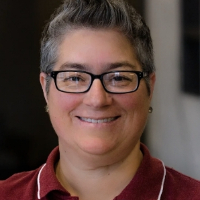
Kathryn Sims
LPC
South Dakota - 8 yrs exp













How Seasonal Affective Disorder (SAD) therapy works for South Dakota residents
If you live in South Dakota you already know how much the seasons can shape daily life. SAD therapy helps you explore and manage patterns that shift with light, routine, and weather. A clinician will begin by discussing the timing and pattern of your low mood or low energy, how symptoms change across months, and how these changes affect work, relationships, and daily functioning. From there you and your therapist develop a plan that blends evidence-based talk therapies with behavioral strategies focused on sleep, activity, and exposure to light - all adapted to your lifestyle and the seasonal rhythms of the region.
Typical components of treatment
Your therapy plan may include structured psychotherapy approaches that focus on behavior and thought patterns associated with seasonal shifts. Behavioral strategies can help you build consistent routines for sleep and activity so that winter months do not derail daily functioning. Cognitive work will address negative thoughts that may worsen as daylight shortens. Some clinicians collaborate with medical providers if a discussion about medication or light therapy devices is appropriate. Throughout treatment you will track symptom changes across weeks and months to see what helps and what needs adjustment.
Finding specialized help for SAD in South Dakota
Locating a clinician with SAD experience can make a meaningful difference. In larger cities like Sioux Falls and Rapid City you may find therapists who list SAD, winter mood changes, or seasonal depression among their specialties. Smaller communities and towns across the state may be served by clinicians who work by appointment or offer telehealth to expand access. When you search profiles, look for indications of experience with seasonal patterns, familiarity with behavioral activation and sleep hygiene, or partnerships with local physicians for coordinated care. Community mental health centers and university counseling services can also be places to ask about referrals for SAD-focused support.
Licensing and qualifications to consider
Therapists in South Dakota hold a range of professional licenses. Licensing, training in evidence-based approaches, and experience with mood disorders are helpful markers of fit. You can consider clinicians who mention training in cognitive behavioral therapy, behavioral activation, or grief and loss, since those skills often translate well to seasonal work. If you have health insurance, check whether a provider accepts it and what referral or authorization rules may apply in your area.
What to expect from online therapy for SAD
Online therapy can be especially practical for people across South Dakota where travel time and winter road conditions affect access. When you choose telehealth you can keep continuity of care through the months when daylight shifts are most pronounced. Sessions generally take place via video, and you should expect an initial assessment followed by weekly or biweekly sessions depending on your needs. Your therapist will guide you in practical at-home strategies - for example, planning morning activities that increase daylight exposure, scheduling sleep and wake times, and creating a daily structure that counters withdrawal.
Technology and logistics
To get the most from online sessions have a reliable internet connection, a device with a camera and microphone, and a quiet, comfortable environment where you can speak without interruption. Ask prospective clinicians about session length, cancellation policies, and whether they provide supplemental materials by email or a client portal. If you prefer an in-person meeting, many therapists in Sioux Falls and Rapid City offer hybrid options that combine office visits with telehealth check-ins.
Common signs that you might benefit from SAD therapy
You might consider seeking help if you notice a pattern of low mood, low energy, or changes in sleep and appetite that come and go with the seasons. Many people describe feeling more fatigued in fall and winter, craving more carbohydrates, sleeping more than usual, or pulling away from social activities. You might find it harder to get motivated for work or daily tasks during months with less daylight. If these shifts recur year after year and interfere with your daily life, a therapist experienced with seasonal patterns can help you identify triggers and build a plan to manage them.
When to talk with a clinician
It often helps to connect with a clinician before symptoms become overwhelming. Early conversations can clarify whether your experience aligns with seasonal patterns and what practical steps can reduce the impact. If you live in a rural area or one of the state’s cities such as Aberdeen, reaching out earlier in the fall can give you time to put supports in place ahead of winter. If symptoms include persistent thoughts of harming yourself or others, seek immediate help through emergency services or local crisis resources.
Tips for choosing the right therapist for SAD in South Dakota
Start by thinking about what feels important to you in a therapeutic relationship. Some people prioritize a clinician with explicit SAD experience, while others value a therapist who understands the rural and cultural context of South Dakota life. You may prefer a clinician who offers flexible scheduling during darker months or one who can coordinate with your primary care provider about light therapy or medication if needed. Consider practical factors such as proximity to offices in Sioux Falls or Rapid City, telehealth availability for more remote locations, insurance participation, and fees. Asking about the therapist’s experience with behavioral activation, sleep-focused work, and strategies to boost daylight exposure will help you evaluate fit.
Questions to ask during a consult
When you contact a provider, it can be useful to ask how they typically work with seasonal symptoms, what kinds of outcomes other clients have seen, and how they measure progress. Inquire about session frequency and what homework or between-session practices they recommend. If you have family or work commitments, ask how flexible appointments can be during winter months. If you rely on local resources, ask whether the clinician collaborates with psychiatrists or primary care physicians in Sioux Falls, Rapid City, Aberdeen or elsewhere in the state for medication or device referrals.
Practical considerations for South Dakota seasons
Because daylight hours change dramatically across the year, planning ahead matters. Therapists will often tailor interventions to the calendar - emphasizing prevention and routine-building in fall, supporting coping strategies through the darkest months, and reflecting on resilience as spring returns. If you commute or travel frequently, consider how session timing will fit with your schedule and whether telehealth offers needed flexibility. For students, seasonal patterns can intersect with academic calendars, so look for clinicians who understand those rhythms.
Finding the right therapist is a personal process, and it often helps to try an initial session or two to see how the clinician’s style matches your needs. Whether you live in Sioux Falls, Rapid City, Aberdeen, or a smaller town, South Dakota residents can access focused support that addresses the unique ways seasons affect mood. Use the profiles above to compare clinicians, read descriptions of how they work with seasonal symptoms, and reach out to schedule a consultation that fits your life and goals for the months ahead.