Find a Client-Centered Therapy Therapist in South Dakota
Client-Centered Therapy emphasizes empathy, active listening, and respect for each person's experience, helping individuals explore their feelings and choices. Practitioners using this humanistic approach are available throughout South Dakota.
Browse the therapist listings below to connect with Client-Centered therapists in Sioux Falls, Rapid City, Aberdeen, and other communities across the state.

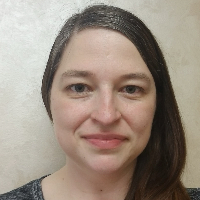
Cory Nelson
LPC
South Dakota - 25 yrs exp


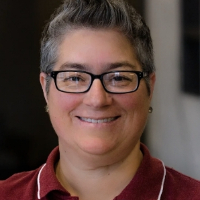
Kathryn Sims
LPC
South Dakota - 8 yrs exp















What Client-Centered Therapy Is
Client-Centered Therapy, sometimes called person-centered therapy, grew from humanistic ideas that place the person seeking help at the center of the therapeutic process. The approach rests on three core principles: empathy, which means the therapist strives to understand your experience from your perspective; unconditional positive regard, where the therapist accepts you without judgment; and congruence, referring to the therapist's authenticity in the relationship. Rather than directing or diagnosing, the therapist offers thoughtful listening and reflection so that you can explore your own values, emotions, and decisions. The goal is to support your natural capacity for growth and self-understanding rather than to impose solutions.
How Client-Centered Therapy Is Used by Therapists in South Dakota
Therapists in South Dakota adapt Client-Centered principles to fit the needs of individuals across varied communities - from the urban neighborhoods of Sioux Falls to the Black Hills region around Rapid City and the smaller city life of Aberdeen. In both more populated and rural areas, practitioners often combine the person-centered stance with practical strategies that address daily life challenges, cultural background, and community context. Some therapists bring this approach into work with families, adolescents, or couples, while others focus on individual adult care. In regions where access to in-person services can be limited by distance, therapists frequently offer sessions by video or phone to extend availability while maintaining the supportive, nonjudgmental interaction that defines the approach.
What Issues Client-Centered Therapy Commonly Addresses
Client-Centered Therapy is used to explore a wide range of concerns because its focus is on the person and their experience rather than on a set diagnosis. People come to this approach when they want to better understand their emotions, cope with stress, or work through life transitions. It is commonly applied to symptoms of anxiety, persistent low mood, relationship and communication difficulties, grief, self-esteem and identity questions, and the stress of career or family changes. Because the method emphasizes personal meaning and autonomy, it is also a frequent choice for those seeking help with decision-making, self-exploration, or improving interpersonal relationships without feeling directed by a therapist.
What a Typical Client-Centered Therapy Session Looks Like Online
If you choose an online session with a Client-Centered therapist, you can expect a warm, attentive environment focused on your narrative. Sessions begin with a brief check-in about how you are doing and any immediate concerns. The therapist listens closely as you describe what matters to you, reflecting back what they hear to ensure understanding. Rather than offering immediate advice, the therapist will use open, empathetic responses that help you clarify your feelings and thoughts. Over time, these reflections can help you notice patterns and develop your own solutions.
Online sessions usually follow the same rhythm as in-person meetings, with attention to boundaries, timing, and clear communication. You will want to choose a quiet, private space for your session where interruptions are limited and where you feel comfortable speaking openly. Good audio and video quality helps the therapist pick up on subtle cues, but many people find video or phone sessions effective for preserving the relational quality of the work. If you have safety concerns or are experiencing a crisis, the therapist will work with you at the start of care to identify local resources and a plan that matches your needs in South Dakota.
Who Is a Good Candidate for Client-Centered Therapy
Client-Centered Therapy is a strong fit if you are looking for a non-directive, empathetic relationship that prioritizes your own goals and pace. If you value being heard and understood and want to explore your experiences without frequent interpretation or instruction, this approach can support meaningful self-discovery. It can be helpful for people who prefer to lead the conversation rather than follow a structured treatment plan, for those navigating life transitions, and for individuals seeking to build self-esteem and emotional clarity. Some people who need very specific symptom-focused interventions may combine person-centered therapy with other approaches, while others find the listening and acceptance inherent in the method to be exactly what they need.
How to Find the Right Client-Centered Therapist in South Dakota
Begin by thinking about practical and personal priorities. Consider whether you prefer in-person meetings or online sessions, and whether location matters for occasional in-person visits. In South Dakota, you may seek a therapist based in Sioux Falls, Rapid City, Aberdeen, or a smaller town and confirm whether they offer telehealth to bridge distance. Look for licensed professionals - common credential types include licensed professional counselors, licensed clinical social workers, and psychologists - and read profile information to learn about their training in humanistic or person-centered approaches. Pay attention to specialties, experience with particular age groups, and any cultural or community experience that aligns with your background.
When you contact a therapist, ask about the way they apply Client-Centered principles in practice. You might inquire how they balance listening with offering feedback, how they handle goal-setting, and what a typical course of sessions looks like. Also discuss practicalities such as fees, insurance participation, cancellations, and availability. A good match is often based on the relational feel you get during an initial consultation, so trust your impression of whether you felt understood and able to speak openly.
Preparing for Your First Session
Before your first session, think about what you hope to get from therapy and any concerns you want to address. You do not need to have a clear agenda; many people arrive with a few topics and let the session unfold naturally. Make sure you have a quiet, private space where you can speak freely, stable internet if you will meet online, and a plan for timing so you can be fully present. If you are unsure how to begin, a therapist trained in Client-Centered work will guide the conversation by listening and reflecting until you find the words that matter most to you.
Connecting with Care Across South Dakota
Whether you live in Sioux Falls and want evening availability, reside near Rapid City and prefer a therapist familiar with western South Dakota communities, or are in Aberdeen seeking someone who understands small-city life, there are practitioners who work from a person-centered stance. Use the directory listings to review profiles, read about approaches, and reach out for an initial conversation. Therapy works best when the relationship feels right, so take the time to explore options and choose a therapist who respects your perspective, supports your goals, and helps you move forward at a pace that feels comfortable.
Client-Centered Therapy places your experience at the center of the process. By focusing on empathy and genuine human connection, it offers a way to explore feelings, discover personal strengths, and make choices that reflect your values. If that approach resonates with you, the listings on this page can help you find practitioners across South Dakota who practice with care and intention.