Find a Trauma and Abuse Therapist in South Dakota
Explore licensed clinicians who specialize in Trauma and Abuse therapy across South Dakota, including practitioners in Sioux Falls, Rapid City, and Aberdeen. Use the listings below to compare approaches, credentials, and appointment options to find a good fit.

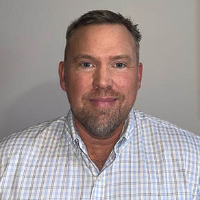
Cory Nelson
LPC
South Dakota - 25 yrs exp


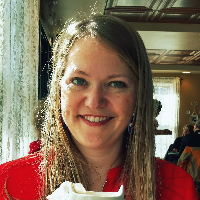
Kathryn Sims
LPC
South Dakota - 8 yrs exp


















How trauma and abuse therapy typically works for South Dakota residents
If you are considering therapy after a traumatic event or pattern of abuse, the process often begins with an initial intake session where a clinician gathers background information about your history, current concerns, and goals. That first conversation helps both you and the clinician decide which approaches and supports will fit your needs. In many cases you will form a treatment plan that outlines immediate priorities - such as stabilizing intense symptoms or addressing safety - and longer-term goals like processing difficult memories, restoring a sense of control, and rebuilding relationships.
Therapists who work with trauma commonly draw on a combination of talk-based and body-focused approaches. Some clinicians emphasize processing memories and changing the way you relate to them, while others include techniques that focus on regulation of the nervous system and body-centered strategies. You can expect sessions to balance practical coping skills and deeper therapeutic work in a way that adjusts to your pace and readiness.
Finding specialized help for trauma and abuse in South Dakota
When searching in South Dakota, you will find therapists practicing in a range of settings - private practices, community mental health centers, hospital-affiliated clinics, and university training clinics. Larger population centers such as Sioux Falls, Rapid City, and Aberdeen tend to have more clinicians with focused training in trauma-related therapies, but many therapists provide statewide care through telehealth as well. Licensing labels vary - you may see Licensed Professional Counselors, Licensed Clinical Social Workers, psychologists, and marriage and family therapists - so look for clinicians who list trauma, abuse, or related specialties in their profiles.
Because rural and small-town life is part of many people's experience in South Dakota, you might also find providers who understand the local culture, community dynamics, and logistical realities like travel time. Local knowledge can matter when you need referrals to legal services, victim advocacy organizations, or supportive community programs. If in-person access is difficult, online sessions can expand your options and connect you with clinicians who have specific trauma training even if they are based elsewhere in the state.
What to expect from online therapy for trauma and abuse
Online therapy offers flexibility that can be especially useful when distances between towns are long or when you need appointments outside typical business hours. If you choose virtual care, you will usually have an initial video or phone intake followed by scheduled sessions that mirror in-person appointments in length and structure. Some clinicians combine video sessions with text-based messaging, worksheets, or guided exercises to reinforce skills between meetings. Before starting online therapy, you should discuss how technology will be used, what to do if a session is interrupted, and how to manage privacy and personal nature of sessions in your home environment.
Online work can be effective for many kinds of trauma-focused therapy, and some clinicians adapt body-based techniques and grounding exercises to remote formats. There are also situations where in-person care or an integrative approach is preferable. You should speak with a potential therapist about their experience with remote trauma treatment and how they assess whether online sessions are a good fit for your needs.
Common signs that someone might benefit from trauma and abuse therapy
If you have experienced a disturbing event or ongoing abuse, you might notice changes that interfere with day-to-day life. People often describe recurrent, intrusive memories or flashbacks that feel overwhelming. Avoidance of places, people, or conversations that trigger reminders of the experience is also common. You may find your sleep or appetite altered, feel unusually jumpy or on edge, or have persistent feelings of sadness, guilt, or shame. Relationships can be affected too - you might withdraw from friends and family, struggle with trust, or have difficulty maintaining healthy boundaries.
Some people turn to substances, risky behaviors, or compulsive habits to manage distressing emotions. Others experience shifts in concentration or motivation that make work and daily responsibilities harder. Not everyone has the same reaction to trauma, and responses can appear immediately after an event or emerge over time. If these changes are reducing your quality of life or creating safety concerns, reaching out to a therapist who focuses on trauma and abuse may be a useful step.
Tips for choosing the right trauma and abuse therapist in South Dakota
Start by looking for therapists who explicitly list trauma or abuse among their specialties and note the types of approaches they use. You may want someone trained in evidence-informed trauma work such as trauma-focused cognitive-behavioral approaches, processing therapies, or somatic methods. It is reasonable to ask a clinician about their experience with survivors of abuse, how they handle safety planning, and whether they have experience working with issues common in your community or demographic group.
Consider practical factors as well. If you prefer in-person care, check whether the clinician's office is convenient to Sioux Falls, Rapid City, Aberdeen, or your local area, and ask about parking, building access, and whether they offer evening or weekend appointments. If online care is an option, ask about their telehealth practices and how they handle technology breakdowns. Insurance, sliding scale fees, and payment options are important to review up front so you can anticipate costs.
Trust and rapport are central in trauma work, so give yourself permission to try a few clinicians before committing. A short phone call with a potential therapist can give you a sense of their communication style and whether their approach feels respectful and attuned to your needs. You should feel that the clinician listens to your priorities, explains their methods clearly, and respects your pace. If something about the working relationship does not feel right, it is okay to look for someone else.
Working with local supports and resources
You do not have to do this work in isolation. Many communities in South Dakota have advocacy organizations, support groups, and legal or medical resources that can complement therapy. Whether you live near a city like Sioux Falls or in a more rural part of the state, therapists often collaborate with other providers and community programs to coordinate care. If you need referrals, ask a clinician about local or statewide resources that can help with emergency needs, housing, legal advocacy, or additional counseling supports.
Next steps and what to expect as you begin
When you are ready to reach out, use the therapist profiles on this page to compare training, specialties, and approach. You can contact clinicians to ask about scheduling, intake procedures, and anything you need to feel comfortable before your first appointment. Early sessions will typically focus on understanding your experience and creating a plan that addresses immediate concerns while building toward longer-term recovery and resilience. Therapy can be a gradual process, and a good match between you and your clinician can make a meaningful difference in how that work unfolds.
Whether you are in Sioux Falls, Rapid City, Aberdeen, or another South Dakota community, there are therapists who focus on trauma and abuse and who can offer compassionate, knowledgeable support. Browse profiles, reach out with questions, and trust your judgment as you find someone who feels like a good fit for your needs at this time.