Find an Addictions Therapist in Tennessee
This page lists licensed addictions therapists serving Tennessee, with profiles that describe specialties, approaches, and availability. You will find clinicians offering in-person and online care across the state. Browse the listings below to compare therapists and reach out to those who match your needs.















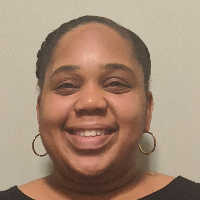
Cindy Cothran
LPCC, LPC
Tennessee - 18 yrs exp








How addictions therapy works for Tennessee residents
If you are considering addictions therapy in Tennessee, understanding how the process typically unfolds can help you take the next step with confidence. The first appointment usually focuses on gathering a clear picture of your experiences, patterns of substance or behavioral use, and the impacts on daily life. That assessment informs a personalized treatment plan that reflects your goals, whether reducing use, improving coping skills, repairing relationships, or addressing related mood and anxiety concerns. Therapy frequently involves a combination of individual sessions, skills-based work, and coordination with other care providers when needed.
In Tennessee, therapy can take place in a variety of settings - community clinics, private practices, outpatient programs, and hybrid models that mix in-person and online sessions. Some people begin with more frequent visits before transitioning to less frequent maintenance sessions. Throughout, the focus is on practical strategies you can apply day to day, routine monitoring of progress, and adjusting the approach when something is not working for you.
Assessment and treatment planning
The initial assessment typically explores patterns of use, triggers, any history of attempts to cut back, and the effects on work, family, or legal standing. Therapists will often screen for co-occurring mental health concerns because anxiety and depression can influence substance use and treatment needs. Based on what you and the clinician identify, a plan is developed that may include individual therapy, group work, family involvement, or referrals to medical care when medications or medical oversight are relevant. You should expect clear discussion of goals, an estimated timeframe for treatment, and how progress will be tracked.
Therapeutic approaches you may encounter
You will encounter several evidence-informed approaches in addictions therapy. Cognitive-behavioral techniques help you examine the connections between thoughts, feelings, and behaviors and build alternative coping strategies. Motivational approaches focus on strengthening your own reasons for change and resolving doubts that can slow progress. Relapse prevention work teaches you to anticipate high-risk situations and plan responses. Group therapy offers peer support and opportunities to practice interpersonal skills. In some cases, a therapist will work alongside a prescribing clinician if medication-assisted care is part of the overall plan. Your therapist can explain how different approaches are used and help you choose the combination that fits your circumstances.
Finding specialized help in Tennessee
When you search for an addictions therapist in Tennessee, look beyond basic listings to identify clinicians with relevant training and experience. Many therapists list certifications in addictions counseling, years of experience treating specific substances or behaviors, and familiarity with co-occurring conditions. Licensure matters - common credentials include Licensed Professional Counselors, Licensed Clinical Social Workers, and Marriage and Family Therapists. You can verify a provider's license through the Tennessee licensing board if you want to confirm current standing.
Consider where you prefer to attend sessions. In urban centers such as Nashville, Memphis, and Knoxville you will find a wider range of specialists, including clinicians who work in intensive outpatient programs and university-affiliated clinics. Smaller cities and rural areas may offer fewer in-person options, which makes online care an important avenue for many Tennesseans. Community organizations, faith-based recovery programs, and city health departments also offer complementary resources that can augment individual therapy work.
What to expect from online therapy for addictions
Online therapy can expand access to care if transportation, work schedules, or geographic distance make in-person visits difficult. When you choose online sessions, expect to use a video platform for live appointments and to receive the same therapeutic approaches you would in an office setting. Therapists will review privacy practices and technology requirements before beginning, and they can often accommodate brief phone check-ins between sessions when needed.
There are some practical considerations specific to remote care. Therapists must be licensed to practice in Tennessee to provide ongoing clinical services to residents, so confirm licensure if a clinician is located out of state. Not all elements of care translate to a fully remote format - for example, some programs include group meetings or medical monitoring that may be offered in person. Online therapy tends to be most effective when you have a quiet, uninterrupted space for sessions and reliable internet access. Discuss with a clinician how crises or urgent issues will be managed and whether they coordinate with local emergency services when necessary.
Scheduling, technology, and payment
Most therapists offer a brief consultation to answer questions before you commit to treatment. During that conversation you can ask about session length, availability, fees, and whether the clinician accepts your insurance. Many Tennessee providers offer sliding scale fees or can direct you to low-cost community options if cost is a concern. Make sure to understand cancellation policies and how documentation or records are handled if you need them for other services.
Common signs someone in Tennessee might benefit from addictions therapy
You might consider seeking a therapist if you notice changes in behavior or functioning that are tied to substance use or another problematic behavior. Signs include repeated unsuccessful attempts to cut down, spending increasing time obtaining and using substances, neglecting responsibilities at work or home, and experiencing strained relationships because of use patterns. Financial difficulties or legal problems related to substance use are also indicators that additional support could be helpful. Emotional markers such as persistent mood swings, preoccupation with use, or using to cope with stress are reasons to reach out as well.
Friends and family members sometimes notice warning signs before you do, and their concern can be a prompt to explore therapy. If you are in a high-pressure role in cities like Nashville, Memphis, or Knoxville where nightlife and workplace stress can intersect with substance use, early intervention is particularly important. Therapy offers a place to examine the underlying drivers of use and practice alternatives that fit your life.
Tips for choosing the right therapist for addictions work in Tennessee
Choosing a therapist is a personal decision and it helps to prioritize factors that matter most to you. Start by checking credentials and asking about specific experience with addictions and any particular substance or behavior that concerns you. Inquire about the clinician's approach to co-occurring mental health conditions and whether they coordinate care with physicians, primary care providers, or specialty clinics when medication or medical oversight is part of treatment. Consider practical preferences such as whether you need evening availability, in-person sessions near Memphis or Chattanooga, or online appointments that fit a busy schedule.
Think about rapport and cultural fit. You are more likely to engage with therapy when you feel heard and understood, so use initial consultations to assess whether a therapist's style matches your needs. Ask about outcome measures and how progress is evaluated so you know what to expect over time. If family support or couples work is relevant, check whether the therapist includes family sessions and how they approach involvement of loved ones.
Finally, don’t hesitate to change providers if something does not feel right. It is common for people to meet several clinicians before finding the one who feels like the right fit. Regardless of where you live in Tennessee - from Murfreesboro to Knoxville - there are clinicians with a range of specialties and approaches. Use local listings to compare profiles, reach out with questions, and set up a consultation to determine the best path forward for you.
Whether you are exploring options in Nashville, connecting with a clinician in Memphis, or seeking flexible online care from Knoxville, the directory below can help you find an addictions therapist who aligns with your needs and goals. Taking the first step is often the hardest part, and finding the right professional support can make it easier to build lasting changes.