Find a Bipolar Therapist in Tennessee
This page connects you with licensed therapists who specialize in bipolar care across Tennessee. Explore profiles of clinicians who offer in-person and online appointments and start browsing listings below.






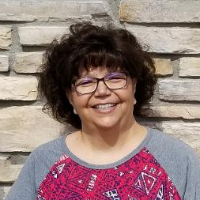
Denise Goin
LCSW
Tennessee - 15 yrs exp
















How bipolar therapy works for Tennessee residents
If you are considering therapy for bipolar mood patterns, understanding how the process usually unfolds can help you feel more prepared. Therapy for bipolar conditions often combines psychotherapy with coordination around medical care when needed. In Tennessee you will find clinicians trained to help you recognize mood shifts, develop routines that support stability, and build skills to reduce the impact of mood highs and lows on daily life. Your therapist will typically work with you to create an individualized plan that reflects your goals, whether the focus is on reducing the frequency of mood episodes, improving relationships, or managing work and family responsibilities.
Therapists who work with bipolar conditions often draw on approaches shown to be helpful for mood regulation and relapse prevention. Sessions are designed to give you tools to notice warning signs earlier, create coping strategies for intense mood states, and strengthen support networks. If you are also seeing a psychiatrist or primary care provider for medication evaluation, a therapist can help coordinate care and support adherence to strategies you and your prescriber agree on.
Therapeutic approaches you may encounter
You may be offered several types of therapy depending on your needs. Cognitive approaches help you examine thinking patterns that influence mood and behavior. Interpersonal approaches focus on relationships and role changes that can trigger mood shifts. Psychoeducation teaches you and your family about mood patterns and early warning signs. Other approaches emphasize routine and lifestyle changes - such as sleep, activity, and rhythm-focused strategies - that support emotional stability. Many therapists integrate more than one approach to tailor treatment to you.
Finding specialized help for bipolar in Tennessee
When searching for a therapist in Tennessee, look for clinicians who list bipolar disorder, mood disorders, or mood stabilization among their specialties. Licensing and training matter - therapists in Tennessee are required to hold state licensure to provide independent care, and many pursue additional training in mood disorders. You can search profiles to see therapist credentials, training, and areas of emphasis. In urban centers like Nashville and Memphis you may find clinics and practices that focus on mood disorders or offer team-based care that includes psychiatrists, psychologists, and therapists working together.
If you live outside a major city, telehealth options can expand your access to specialists who practice in other parts of the state. Some therapists offer both in-person and online sessions, which makes it easier to find someone with the right experience even if local options are limited. Local mental health centers, university clinics, and community resources in cities such as Knoxville, Chattanooga, and Murfreesboro can also be places to inquire about referrals and specialized programs.
What to expect from online therapy for bipolar
Online therapy can be a practical choice if you prefer the convenience of meeting from home or if you live far from a provider with bipolar expertise. When you choose telehealth, expect to have a clear discussion about how sessions will be structured, how emergency situations are handled, and how your therapist manages coordination with medical providers. Technology platforms used by clinicians typically offer video sessions, and some therapists also provide phone check-ins or text-based messaging for between-session support. Remember to ask about how they handle medical information and what to do if you experience a severe mood episode between sessions.
Online therapy can make it easier to maintain consistent appointments, which is important for long-term stability. It also opens access to therapists who have focused training in mood disorders, even if those therapists are based in Nashville or another city different from yours. If you prefer occasional face-to-face meetings, many therapists offer hybrid care with both remote and in-person options. Wherever you meet with a clinician, clear communication about symptom changes, medication adjustments, and safety planning is a core part of effective care.
Common signs that someone in Tennessee might benefit from bipolar therapy
You might consider seeking a therapist if you notice marked shifts between periods of unusually elevated mood and times of significant low mood. Elevated periods can include increased energy, reduced need for sleep, impulsive decisions, or a sense that thoughts are racing. Low periods may involve persistent sadness, lack of interest in activities you used to enjoy, changes in appetite, or trouble concentrating. Changes in work or school performance, strained relationships, risky behaviors during elevated moods, or repeated cycles of intense mood change are also indicators that professional support could help.
Living in Tennessee can bring its own life stressors - such as balancing work and family roles in both urban and rural settings - that interact with mood conditions. If mood shifts are interfering with your ability to fulfill responsibilities or enjoy everyday life, reaching out to a therapist can be a constructive step. Early intervention can make a meaningful difference, especially when you and a provider work together to build a plan that fits your lifestyle and regional needs.
Tips for choosing the right therapist for bipolar care in Tennessee
Begin by looking for clinicians who explicitly mention mood disorders or bipolar disorder in their profiles. Review their training and any specialized certifications related to mood treatment or evidence-based therapies. Consider practical factors such as whether they offer in-person sessions in nearby cities like Nashville, Memphis, or Knoxville, or if they provide telehealth scheduling that fits your routine. Insurance acceptance, sliding scale options, and session frequency are also important to discuss so you can plan consistent care.
When you contact potential therapists, describe your goals and ask how they typically work with clients who have mood variability. Ask about their experience collaborating with prescribers and the kinds of outcome measures or tracking they use to monitor mood changes. You may want to know how they handle crisis planning, what support is available between sessions, and how they involve family or loved ones when appropriate. Trust your sense of fit - the relationship you build with your therapist matters greatly for long-term progress.
Preparing for your first sessions and next steps
Before your first appointment you can prepare a brief history of mood patterns, any current medications, and key stressors or supports in your life. Bring examples of how mood changes affect daily routines, sleep, work, and relationships. Having this information ready helps your therapist understand patterns more quickly and propose practical strategies. Whether you meet in person in Chattanooga, attend sessions virtually from Murfreesboro, or connect with a clinician in Knoxville, being open about your experiences and expectations helps the therapeutic process move forward.
Finding the right therapist can take time, and it is reasonable to try a few clinicians until you find the right fit. You should expect a thoughtful discussion of goals, a plan that balances skill development with practical supports, and follow-up on how interventions are working for you. In Tennessee, a range of clinicians are available to help you navigate bipolar symptoms with respect and expertise - use listings to compare credentials, specialties, and formats so you can choose care that fits your life and goals.