Find a Black Therapist in Tennessee
This directory page highlights therapists who identify with the Black Therapist specialty and who serve Tennessee residents. Browse profiles below to review approaches, specialties, and contact options to find a provider who fits your needs.
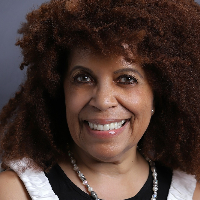










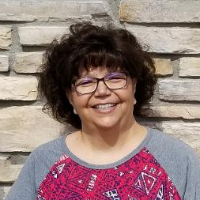
Denise Goin
LCSW
Tennessee - 15 yrs exp








How Black Therapist therapy works for Tennessee residents
If you are seeking a therapist who practices within the Black Therapist specialty, you will find a range of clinicians offering culturally informed approaches across Tennessee. Therapy typically begins with an intake session where you and your clinician review goals, background, and preferences for care. Therapists who focus on this specialty often integrate an understanding of cultural identity, racial stress, and community context into their work, which can shape how sessions are structured and what topics are prioritized. Whether you meet in person or online, your therapist will collaborate with you on a plan that fits your life and the challenges you bring to therapy.
Licensure and scope of practice are important. In Tennessee, therapists must hold active credentials appropriate to their profession and follow state rules for practice. When you review profiles, look for clear descriptions of training, licensure, and areas of expertise so you can be confident the clinician is qualified to provide the services you need in your area.
Finding specialized help for Black Therapist in Tennessee
When you search for a therapist who emphasizes the Black Therapist specialty, consider how that designation appears in profiles. Some clinicians will describe specific methods they use, populations they serve, and cultural frameworks that inform their work. Others may list experience with issues that disproportionately affect Black communities, such as intergenerational trauma, discrimination-related stress, or identity exploration. If you live in an urban center like Nashville or Memphis, you may find a wider variety of niches and clinical styles. In smaller cities and rural areas, therapists may offer broader general practice with a cultural lens rather than a narrowly defined specialty.
As you look at profiles, you can prioritize practitioners who mention relevant trainings, community involvement, or publications on culturally responsive care. You may also prefer clinicians who discuss how they incorporate family, community, or faith-based perspectives if those are important to you. Reading therapist biographies and introductory videos can give you a sense of whether their voice and values match what you are seeking.
What to expect from online therapy for Black Therapist
Online therapy has become a common option for many Tennesseans, and it can be especially helpful if you live far from a therapist with the specific cultural focus you want. With online sessions you can work with someone in another city - for example, you could access a therapist based in Knoxville while living in a nearby county. Online work often follows the same structure as in-person sessions - assessment, goal setting, regular meetings, and progress reviews - but it also requires attention to technology, scheduling across time zones or commitments, and creating a comfortable setting for yourself at home.
For therapy to feel effective online, you should choose a quiet place where you can speak freely and focus. If you are concerned about privacy at home, consider using a vehicle, a personal office, or booking sessions at a flexible time when household members are out. Ask potential therapists about their platform, session length, and policies for missed appointments so you have clear expectations. Many therapists who center cultural competence will also discuss how they adapt online techniques to meet the needs of Black clients, including attention to community realities and cultural narratives that affect mental health.
Common signs you might benefit from Black Therapist therapy in Tennessee
You might consider specialized therapy if you find that cultural stressors, identity questions, or experiences of discrimination are shaping your daily life and relationships. Feeling persistently exhausted by microaggressions at work, struggling with conversations about race within your family, or processing trauma linked to community events are all challenges that can be explored with culturally attuned care. You may also seek help for more general concerns that feel intertwined with your background - anxiety, depression, relationship difficulties, or parenting challenges - and want a therapist who understands the ways culture and history influence coping strategies.
Practical signs that therapy could help include repeated conflicts that do not improve, avoidance of important social or work opportunities, changes in sleep or appetite that affect functioning, or a sense of being stuck despite trying to cope. If you are noticing these patterns, connecting with a therapist who has experience with Black communities can provide a context-sensitive space to process and plan for change.
Tips for choosing the right therapist for this specialty in Tennessee
Start by clarifying what matters most to you in therapy. Are you looking for someone who will focus squarely on cultural identity and racial trauma, or do you prefer a more integrative approach that balances cultural awareness with evidence-based techniques like cognitive behavioral therapy? Once you have priorities, read therapist profiles for mentions of relevant trainings, lived experience, and clinical interests. Look for language that feels respectful and attuned to the nuances of Black experience rather than generalized or tokenizing phrasing.
Consider logistics as well. If you prefer in-person sessions, check which cities the therapist serves and the neighborhoods they are near. Major Tennessee cities such as Nashville, Memphis, and Knoxville each have distinct cultural scenes and community resources, so a therapist in your city may be better positioned to connect you with local supports. If online sessions are more convenient, ask whether the clinician is licensed to practice with clients in Tennessee and how they handle emergencies or referrals when a different level of care is needed.
Initial consultations are a valuable tool. Many therapists offer a brief phone call or an introductory session to help you assess fit. Use that conversation to ask about therapeutic approach, experience with specific issues you face, and how they include cultural context in treatment. Pay attention to how comfortable you feel speaking with them and whether their responses reflect curiosity and humility. Trust your instincts - a good match will leave you feeling heard and reasonably hopeful about the path forward.
Practical considerations for scheduling and cost
Insurance coverage, sliding scale fees, and session frequency vary widely. When reviewing profiles, look for information on payment options and insurance acceptance, and do not hesitate to contact a therapist directly to clarify costs. If affordability is a concern, ask about sliding scale arrangements, group therapy options, or community agencies in Tennessee that offer low-fee services with a cultural focus. You may also explore workshops, support groups, or short-term programs in cities like Murfreesboro or Chattanooga that complement individual therapy.
Moving forward with care
Choosing to reach out for therapy is a significant step, and finding a clinician who understands both your personal history and broader cultural context can make the process more meaningful. Take your time to review profiles, watch introductory materials when available, and use initial conversations to evaluate fit. Whether you opt for a therapist in Nashville, a clinician based in Memphis, or an online provider who can meet you from anywhere in Tennessee, the right match will help you feel supported as you work toward the changes you want to make.
As you browse the listings on this page, remember that finding the right therapist is often an iterative process - you may learn more about what you need after a few sessions, and it is okay to change course if something does not feel aligned. With careful selection and clear communication, therapy can become a productive space where you explore identity, heal from stressors, and build strategies to improve your well-being in the context of your life in Tennessee.