Find a Family Therapist in Tennessee
This page features licensed family therapists who work with individuals, couples, and families across Tennessee. Browse the profiles below to compare specialties, approaches, and locations including Nashville, Memphis, and Knoxville.


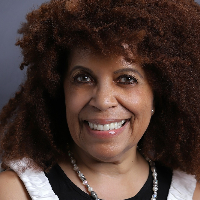

Robin Hall
LCSW
Tennessee - 12 yrs exp




















How family therapy works for Tennessee residents
Family therapy focuses on the relationships and patterns that shape how a household functions. When you seek family therapy in Tennessee you are looking for support that involves more than one person - sessions typically bring together partners, parents and children, or extended family members to address shared concerns. A therapist trained in family systems will help the group identify interaction patterns, communication blocks, and unmet needs, and will work with you to develop more functional ways of relating.
Therapy may take place in an office, a community clinic, or through an online appointment. In urban areas like Nashville and Knoxville you will often find a wider variety of practice settings and approaches, while smaller communities may offer clinicians who combine individual and family work. Regardless of setting, the goal is to create a collaborative process where you and your family can examine behaviors, understand triggers, and practice new ways of interacting that fit your values and culture.
Finding specialized help for family issues in Tennessee
Not all therapists list family therapy as a primary focus, so you will want to look for clinicians who highlight family systems, couples work, parenting guidance, or adolescent and child therapy. If you have a particular concern - for example blended family dynamics, step-parenting challenges, co-parenting after separation, or multigenerational conflict - seek clinicians who mention relevant experience or additional training. Many therapists also combine family therapy with approaches such as structural family therapy, emotionally focused therapy, or narrative methods - learning a little about these approaches can help you choose someone whose style resonates with your needs.
Location can matter. If you prefer in-person sessions you may prioritize practitioners near the neighborhood where family members spend most of their time. In cities like Memphis and Chattanooga you may find clinicians with experience working in community mental health settings or schools, which can be helpful if your family needs services that coordinate with local resources. If transportation, scheduling, or health considerations make in-person visits difficult, you can often find family therapists who offer remote sessions across Tennessee.
What to expect from online family therapy
Online family therapy can be an effective option when members live in different parts of the state, when schedules are tight, or when you prefer meeting from home. If you choose remote sessions you should expect many of the same goals as in-person work - improving communication, resolving conflicts, and strengthening relationships - but the logistics will be different. Sessions may be shorter or scheduled more flexibly to accommodate multiple people joining from separate locations, and the therapist will help set ground rules for how family members take turns speaking and remain engaged on camera.
Before you begin online therapy you and the therapist will discuss privacy practices and how to manage interruptions. You may be asked to use a quiet room and headphones, and to test technology before the session to reduce delays. For family therapy, clinicians often use interactive tools, structured exercises, and communication tasks that you can practice during and between sessions. When technology works well, online sessions can increase access - for example, allowing a parent in Murfreesboro to join a session with a teenager who lives with the other parent in another city.
Common signs that someone in Tennessee might benefit from family therapy
You might consider family therapy when patterns of conflict begin to affect daily life - when arguments are frequent or escalate, when communication breaks down, or when family members avoid each other to prevent tension. Parenting challenges such as consistent behavioral struggles with children or teens, difficulty managing blended family roles, or disputes over decision-making can respond well to family-centered approaches. Changes like a divorce, a major move, a new partner joining the household, or the birth of a child often create stress that family therapy can help navigate.
Other signs include emotional withdrawal, repeated crises where the same problem resurfaces, and situations where one member's behavioral or substance concerns disrupt household functioning. You may also reach out when important transitions - college departure, retirement, eldercare decisions - create uncertainty about roles and expectations. If you notice that attempts to solve problems at home lead to more hurt feelings or misunderstanding, family therapy offers a space to explore those patterns with guidance.
Tips for choosing the right family therapist in Tennessee
Start by considering what matters most for your family - experience with children or teens, training in a particular school of therapy, faith or cultural alignment, or the convenience of location and scheduling. Read clinician profiles to learn about their approaches and typical clients. If language or cultural background is important to you, prioritize therapists who explicitly mention that experience. You should also look at logistics - whether the clinician offers evening or weekend appointments, accepts your insurance, or provides an option for online sessions.
When you contact a therapist ask brief questions about their experience with the issues you face and what a typical course of family therapy looks like with them. You can inquire about session length, whether they include individual check-ins, and how they involve younger children in sessions. Most therapists are willing to speak for a few minutes by phone or email to determine fit. Trust your impressions - feeling heard and respected during an initial conversation is often a good indicator that you will be able to work together effectively.
Considering location and community resources
Think about how location affects attendance and follow through. Families in cities such as Nashville, Memphis, and Knoxville have access to more clinicians and often a broader range of specialized services, while families in smaller towns may benefit from clinicians who know local school systems, pediatricians, and community supports. If you expect to coordinate therapy with teachers, doctors, or court processes, choose a therapist familiar with those local systems. You may also ask whether the clinician collaborates with other professionals - an arrangement that can be helpful when multiple systems are involved.
Making the most of family therapy
Therapy is a process, and results depend on participation over time. You will get the most from sessions when family members attend consistently, complete suggested tasks between sessions, and practice new communication skills in real life. Your therapist will likely assign structured conversations or exercises to try at home and will encourage reflection on what works and what does not. Be prepared for some uncomfortable moments - addressing long-standing patterns can surface strong emotions - but also expect to learn practical skills you can use immediately.
Set realistic goals with your therapist from the start. Clarifying what success looks like for your household - whether that is fewer arguments, clearer parenting strategies, or a plan for co-parenting after separation - will help you and your clinician measure progress. If you are balancing multiple schedules, ask about the possibility of alternating who attends or including brief individual check-ins alongside family sessions to address sensitive topics.
Next steps
As you review the listings on this page, consider contacting a few therapists to compare approaches and availability. Try a brief introductory conversation to assess rapport and to confirm that the therapist has experience with the issues you care about. Whether you choose an in-person clinician in your city or an online practitioner who can work with family members in different parts of Tennessee, the most important factor is finding someone you trust and who helps your family take practical steps toward healthier interactions.
Family therapy can offer new ways to understand each other and to build routines that reduce conflict and increase connection. When you find the right fit, those changes can influence day-to-day life and help your household move forward with clearer communication and shared purpose.