Find a Post-Traumatic Stress Therapist in Tennessee
This page connects you with therapists across Tennessee who focus on post-traumatic stress care. You will find clinician profiles, treatment approaches, and options for both in-person and online appointments. Browse the listings below to compare therapists and find someone who fits your needs.
















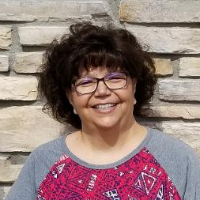
Cindy Cothran
LPCC, LPC
Tennessee - 18 yrs exp






How post-traumatic stress therapy works for Tennessee residents
When you begin post-traumatic stress therapy in Tennessee, the process typically starts with an intake conversation to understand your history, current concerns, and treatment goals. Therapists use a range of trauma-informed approaches designed to help you reduce distressing symptoms and restore a sense of safety and control. Common methods include trauma-focused cognitive behavioral techniques, exposure-based work, narrative approaches, and therapies that focus on processing memories and reducing physiological reactivity. Each therapist will tailor a plan to your needs, pace, and preferences, taking into account your life in Tennessee - whether you live in a city like Nashville or in a more rural county.
Assessment and treatment planning
In the first few sessions you can expect a careful assessment of symptoms, triggers, and how trauma affects your day-to-day functioning. You and your therapist will identify short-term goals such as improving sleep or reducing avoidance, together with longer-term aims like rebuilding relationships or returning to work or school. Providers working in Tennessee often consider regional factors that shape recovery - for example, access to community resources in Memphis or local support groups in Knoxville - and will coordinate care with medical providers or community agencies when that is helpful.
Finding specialized help for post-traumatic stress in Tennessee
Searching for a therapist who specializes in post-traumatic stress means looking beyond general counseling experience to find clinicians who list trauma-focused training and experience with evidence-based therapies. On this site you can review therapist profiles that describe licensure type, specializations, methods used, and whether they offer telehealth. You may prefer someone who has specific training in approaches such as cognitive processing therapy or eye movement based techniques, especially if you have a history of persistent symptoms after a distressing event.
Where to look and what to consider
Begin by narrowing options to your preferred location or by searching for online availability if you live outside a major center. If you are in Nashville, Memphis, Knoxville, Chattanooga, or Murfreesboro you will likely find a broader selection of clinicians and specialty clinics. If you live in a smaller town, consider therapists who offer teletherapy or clinicians who travel between community sites. It is also useful to check whether a therapist has experience with populations similar to yours - for example, first responders, military veterans, survivors of interpersonal trauma, or people who experienced accidents or natural disasters.
What to expect from online therapy for post-traumatic stress
Online therapy can be an effective way to access trauma-focused treatment when in-person care is difficult to reach. When you choose teletherapy, sessions are typically conducted by video in a routine that closely mirrors office visits - assessment, therapeutic exercises, and homework when appropriate. You should plan for a private, quiet area in your home or another suitable location to attend sessions, and confirm that your therapist is licensed to practice in Tennessee so care meets state regulations. Many therapists will discuss emergency planning and how to reach local resources in case you need immediate support between sessions.
Consider how you work with technology and whether video, phone, or a combination will be best for you. Some therapies use written or audio materials between sessions, and your therapist may provide tools you can use at home to manage symptoms such as grounding strategies, relaxation exercises, and ways to track changes in mood or sleep. Online therapy also makes it easier to connect with clinicians who have niche training, allowing you to find a better fit even if the nearest specialist is not in your city.
Common signs that someone in Tennessee might benefit from post-traumatic stress therapy
Not everyone who experiences a distressing event develops ongoing problems, but certain patterns suggest that therapy may help. You might be dealing with recurrent unwanted memories, flashbacks, or nightmares that interfere with sleep. You may notice yourself avoiding places, people, or conversations that remind you of the event, or you may feel constantly on edge, irritable, or jumpy in situations that did not used to bother you. Changes in mood such as persistent sadness, guilt, or emotional numbness, and difficulties concentrating or managing daily responsibilities are also reasons to consider reaching out.
Additionally, trauma can affect how you relate to others - making it harder to trust, to feel close, or to maintain steady relationships. You may find that substances are being used more often to manage distress, or that physical symptoms like headaches or stomach problems are linked to ongoing stress. If any of these experiences are impacting your quality of life in Tennessee, from city neighborhoods to rural communities, a trauma-focused therapist can work with you to create a practical plan for change.
Tips for choosing the right therapist for post-traumatic stress in Tennessee
Choosing the right therapist is both practical and personal. Start by reviewing credentials to ensure a clinician holds an active Tennessee license in their field. Look for therapists who explicitly note training in trauma-informed approaches or certifications in trauma care. Read profile descriptions to learn about their theoretical orientation and whether they offer the type of treatment you are seeking. If you have a preference for in-person work in Nashville, Memphis, Knoxville, or another city, check location and office hours. If you need flexible scheduling or prefer to attend from home, prioritize therapists who provide teletherapy.
When you contact providers, ask about their experience with your particular concerns and what a typical treatment plan looks like. Discuss logistics such as session length, fees, insurance participation, and cancellation policies so you can plan financially and practically. Many therapists offer a brief phone consultation or introductory session that gives you a sense of rapport - this is a useful way to see how you feel with a clinician before committing to ongoing meetings.
Remember that fit matters. You may speak with several clinicians before you find someone who listens in a way that feels helpful and who uses approaches that match your needs. Consider cultural competence and whether the therapist has experience working with people from backgrounds that reflect your identity and life experience. If you are connected to community resources in Tennessee - for example, a veteran service organization in Chattanooga or a university clinic in Knoxville - ask about referrals and collaborative options that make treatment more accessible.
Making the first appointment
When you are ready to make the first appointment, have a few practical questions prepared about what to expect in the early sessions and how the therapist handles crisis situations between appointments. Check whether the clinician can provide documentation for workplace accommodations or for coordination with other providers if you need it. Give yourself time to evaluate the experience - therapy is a collaborative process and the early weeks are for building trust and defining goals.
Finding post-traumatic stress care in Tennessee can feel challenging, but taking structured steps to identify trauma-informed clinicians, understanding the options for in-person and online care, and prioritizing fit will help you connect with the right support. Whether you are in a busy metropolitan area or a smaller town, there are therapists with specialized training who can work with you at the pace you need to move forward.