Find a Relationship Therapist in Tennessee
This page lists relationship therapists who work with couples and individuals across Tennessee. Use the directory below to compare specialties, approaches, and locations to find a good fit for your needs.
Browse the profiles to view therapist backgrounds and reach out to schedule an initial consultation in Tennessee.


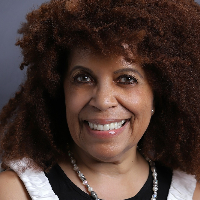


Robin Hall
LCSW
Tennessee - 12 yrs exp



















How relationship therapy works for Tennessee residents
Relationship therapy is a collaborative process that focuses on improving how you relate to a partner, family member, or close friend. In Tennessee, therapy typically begins with an intake session where a therapist gathers background information about your relationship history, current concerns, and goals. From there you and your therapist will map out a plan that may include individual sessions, joint sessions, or a combination depending on your situation. Sessions often explore communication patterns, emotional responses, boundaries, and problem-solving strategies. Therapists trained in this specialty use evidence-informed approaches to help you understand recurring dynamics and develop new skills that support healthier connection.
Licensing and professional standards in Tennessee
When you're interviewing providers, you will notice a range of credentials including LPC, LMFT, LCSW, and clinical psychologists. These titles indicate different training backgrounds and licensure routes. Therapists practicing in Tennessee are held to state regulatory standards and professional ethics, and many pursue additional training in couples work, trauma-informed care, or adolescent-family systems. If you live near Nashville, Memphis, or Knoxville you may find clinics and community resources that offer complementary programs such as workshops or group-based relationship education.
Finding specialized help for relationship concerns in Tennessee
Not all relationship issues are the same, so looking for a therapist who specializes in the challenges you face can make a meaningful difference. Some therapists focus on premarital preparation while others concentrate on long-term relationship repair, non-monogamous arrangements, or blended family transitions. If you are dealing with issues like infidelity, trust rebuilding, or parenting conflicts, search for therapists who list those areas as specialties and who describe their approach to those concerns. Localities like Nashville and Knoxville often have practitioners experienced in young adult and professional couple dynamics, while Memphis providers may have deep experience with multigenerational family systems and cultural context. You can also find therapists who combine training in trauma, sex therapy, or behavioral interventions with couples work when those factors are relevant.
Practical steps to narrow your search
Begin by identifying what matters most to you in a therapist - clinical approach, experience with a specific issue, availability for weekend or evening sessions, or acceptance of particular insurance plans. Read therapist bios to get a sense of tone and philosophy. Many therapists describe whether they work directly with two people together, meet with partners individually, or use a mix of formats. Consider reaching out for a brief phone or video consultation to ask about their experience with cases like yours, session length, and what a typical course of therapy might look like. These small conversations can help you assess whether you feel understood and whether the approach feels like a good match.
What to expect from online therapy for relationship issues
Online therapy has become a common option in Tennessee and can expand access to specialists who may not be available nearby. If you live in a rural area or have limited time, virtual sessions allow you to work with therapists in Nashville, Memphis, Knoxville, or elsewhere across the state without travel. Many therapists offer a mix of in-person and online appointments so you can choose what works best for particular stages of your work. In an online couples session you will typically join from separate devices or the same room depending on what the therapist recommends. Your therapist will explain session protocols, how they handle scheduling and cancellations, and how to prepare the technology. If you are using video, choose a quiet, comfortable place where you can focus without interruptions.
Online therapy considerations specific to Tennessee
Providers practicing online in Tennessee must be authorized by the state to provide clinical services, and some therapists may only accept clients who reside in Tennessee during the course of treatment. Check with your therapist about licensure and whether their services are available in your county. Also ask about insurance coverage for telehealth if you plan to use benefits. For many people, the convenience of online sessions makes it easier to maintain consistent appointments, which is often a key factor in progress.
Signs you might benefit from relationship therapy
You might consider relationship therapy if you find that communication routinely ends in hurt or misunderstanding, if one or both partners feel emotionally distant, or if recurring patterns cause frequent conflict. Other signs include repeated cycles of blame, difficulty resolving disagreements without escalation, major transitions such as remarriage or new parenting that strain the relationship, or a desire to rebuild trust after betrayals. If you notice that your relationship difficulties are affecting your sleep, work, or other relationships, therapy can provide a structured space to address those impacts. For couples in Tennessee facing life stressors like job changes, relocation, or caregiving responsibilities, a therapist can help you navigate transitions while strengthening the partnership.
When individual work is helpful
Sometimes individual therapy complements couples work by addressing personal patterns that influence relationships. If you have a history of trauma, anxiety, or mood concerns that affect how you connect with your partner, working individually can give you tools to regulate emotion and respond differently in relationship moments. Many therapists in Tennessee offer combined individual and joint sessions to support both personal growth and relational change.
Tips for choosing the right relationship therapist in Tennessee
First, look for clear communication about the therapist's approach and experience. A good profile will explain whether the therapist uses modalities such as Emotionally Focused Therapy, the Gottman method, or systemic family therapy, and what that might mean in practice. Second, consider logistics - location, hours, fees, and whether they accept your insurance. Third, assess fit - do you feel heard and respected during an initial conversation? If you do not feel comfortable after a few sessions it is reasonable to try a different clinician. In cities like Nashville and Memphis you will often find a wider variety of specialized services, while smaller communities may offer more generalist practitioners with strong local knowledge.
Using consultations and referrals
Many therapists offer brief consultations so you can ask about experience with cases like yours, typical session structure, and expected length of work. If a therapist is not the right fit, they can often refer you to a colleague with more specific training. You can also ask about sliding scale options or community clinics if cost is a concern. Remember that finding the right professional is part of the therapeutic process; it is reasonable to take time to find a therapist whose style and approach align with your goals.
Getting started
When you are ready to begin, prepare a list of questions and goals to bring to your first session. Think about what you hope to accomplish in therapy and what changes would feel meaningful to you. If you live near Nashville, Knoxville, or Memphis you may want to prioritize providers who understand your local context, but do not rule out therapists from other parts of the state if their approach resonates. Building a healthier relationship takes effort, curiosity, and guidance, and the right therapist can help you move from patterns that drain you toward interactions that feel more connected and constructive.
Use the listings above to compare backgrounds, read bios, and reach out for consultations. Taking the first step is often the hardest part, and reaching out is a practical move toward clearer communication and stronger relationships in Tennessee.