Find a Self-Love Therapist in Tennessee
This directory page highlights therapists across Tennessee who specialize in self-love, self-compassion, and related personal growth work. Browse the listings below to review clinician profiles, therapy approaches, and availability throughout the state.












Denise Goin
LCSW
Tennessee - 15 yrs exp






Cindy Cothran
LPCC, LPC
Tennessee - 18 yrs exp
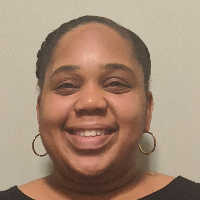

How self-love therapy works for Tennessee residents
Self-love therapy focuses on helping you develop a kinder relationship with yourself so daily life feels more manageable and fulfilling. Sessions typically combine exploratory conversation with practical tools - you may notice work that addresses negative self-talk, boundary setting, and activities that increase self-respect. In many cases therapy balances insight with action, so the time you spend in sessions often translates to exercises and reflections you can practice between meetings. Your therapist will tailor their approach to your needs, whether that involves slower paced exploration or structured skills-building.
Therapeutic approaches commonly used
Therapists who specialize in self-love draw from a range of evidence-informed approaches. Cognitive work can help you identify and shift recurring critical thoughts that undermine self-worth. Mindfulness and acceptance-based methods support learning to notice internal experience without harsh judgment. Compassion-focused techniques are designed specifically to reduce self-criticism and grow self-compassion. Additionally, emotion-focused work can help you tolerate and process difficult feelings that get in the way of treating yourself with care. Your therapist may blend several methods so sessions feel individualized rather than one-size-fits-all.
Finding specialized help for self-love in Tennessee
When looking for a therapist in Tennessee who prioritizes self-love, search for clinicians who list self-compassion, self-esteem, or boundaries as part of their specialty. Many therapists include sample session goals or typical interventions on their profiles, which gives a clear sense of whether their style aligns with what you want to work on. If in-person sessions are important, focus on practitioners in your region - Nashville and surrounding communities often have a broad range of clinicians, while Memphis and Knoxville also host experienced providers with diverse specializations. If you live outside these urban centers you can still find qualified therapists who travel between towns or offer flexible scheduling.
Credentials and fit
Licensure and training matter because they indicate that a clinician has completed the required education and supervised experience. In addition to official credentials, consider what kind of training a therapist has in compassion-based methods or trauma-informed care if those are relevant to your background. Fit is often about more than credentials - the therapeutic relationship itself matters. Look for language in profiles that feels approachable and respectful, and consider reaching out to ask short questions about their typical work with issues like self-blame, perfectionism, or people-pleasing.
What to expect from online therapy for self-love
Online therapy offers flexibility that many people appreciate - it reduces travel time, opens access to clinicians beyond your immediate town, and can make scheduling easier around work and family life. In an online self-love therapy session you can expect a format similar to in-person sessions: time to explore patterns and feelings, guidance on exercises, and collaborative goal-setting. Therapists will use digital tools to share worksheets, suggest journaling prompts, or guide you through mindfulness practices. If you are living in Tennessee and choose online care, verify that a clinician is authorized to work with clients in your state so there are no interruptions to care.
Creating an effective online environment
To get the most out of remote sessions, find a quiet, comfortable spot where interruptions are minimized and you can focus. Headphones and a reliable internet connection help preserve audio clarity, which matters when discussing sensitive material. Many people say that having a short grounding ritual before a session - making a warm beverage, taking a few deep breaths, or lighting a candle - helps transition into a reflective mindset. Discuss boundaries around session timing and follow-up with your therapist so expectations are clear and manageable.
Common signs that someone in Tennessee might benefit from self-love therapy
You might consider self-love therapy if you frequently experience harsh self-criticism that interferes with work, relationships, or self-care. Difficulty setting and maintaining boundaries, chronic people-pleasing, or a pervasive sense that your needs are unimportant are also common reasons people seek this specialty. Those recovering from relationships that eroded self-esteem or people facing major life transitions - such as a move to a new Tennessee city, a career change, or a shift in family dynamics - may find focused self-love work especially helpful. If feelings of shame, guilt, or low motivation are persistent and you want practical strategies to shift them, self-love therapy can provide a structured space to practice new habits.
When patterns feel entrenched
Sometimes patterns that began in childhood or developed over years feel deeply ingrained and resistant to change. Therapy offers a gradual, supportive pathway to explore these origins and experiment with different responses. You do not need to know all the answers before starting - part of the process is discovering where your patterns come from and developing concrete tools to interrupt them. Consistent practice and a collaborative relationship with a therapist often lead to incremental improvements that accumulate over time.
Tips for choosing the right therapist for this specialty in Tennessee
Begin by clarifying what you want to address - whether it is reducing self-criticism, improving boundaries, or learning self-care routines - so you can evaluate whether a therapist's focus matches your goals. Read clinician profiles carefully for mention of relevant training, such as work in compassion-focused therapy or experience supporting survivors of trauma. Consider practical factors like location and scheduling; if you need evening sessions because of work, filter for availability. If cost is a concern, look for therapists who offer sliding scale fees or who accept your insurance. Many people find it helpful to schedule a brief introductory call to get a sense of tone and approach before committing to regular sessions.
Local considerations across Tennessee
Access and resources can vary by region. In Nashville you may find a large pool of providers with varied specialties, while smaller towns may have fewer clinicians but strong community mental health resources. Memphis and Knoxville each offer experienced professionals who integrate cultural and community context into their work. If you live in Chattanooga, Murfreesboro, or other areas, consider therapists who offer hybrid models - a mix of in-person and online sessions - to balance local availability with broader options.
Getting started and next steps
Start by browsing therapist profiles to compare approaches, credentials, and practical details like appointment types and fees. Prepare a short list of questions that matter to you - for example, how the therapist typically works on self-criticism, what homework or practices they recommend, and how they measure progress. Many therapists will offer an initial consultation that can help you decide whether they are the right fit. Remember that it is normal to try a few sessions or different clinicians before finding the relationship that supports meaningful change.
Whether you prefer meeting in person in a nearby office or working remotely from home, self-love therapy can be a thoughtful way to reclaim kindness toward yourself and build habits that support long-term wellbeing. Use the listings above to explore options across Tennessee, connect directly with clinicians in Nashville, Memphis, Knoxville, and beyond, and take the next step toward greater self-compassion.