Find a Cognitive Behavioral Therapy (CBT) Therapist in Tennessee
Cognitive Behavioral Therapy (CBT) is a structured, problem-focused approach that helps people change unhelpful thinking and behavior patterns. Browse the listings below to find CBT practitioners across Tennessee and learn more about their specialties and availability.
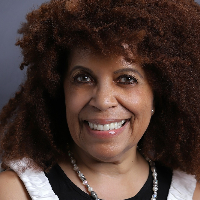


Robin Hall
LCSW
Tennessee - 12 yrs exp





















What is Cognitive Behavioral Therapy (CBT)?
Cognitive Behavioral Therapy, commonly called CBT, is a short-term, goal-oriented approach that helps you identify and change patterns of thinking and behavior that maintain emotional distress. The work is practical and collaborative - you and your therapist identify specific problems, test the thoughts and beliefs that feed those problems, and practice new behaviors that support healthier outcomes. CBT emphasizes learning skills that you can apply outside of sessions so progress continues between meetings.
Core principles behind CBT
The core idea of CBT is that thoughts, feelings, and behaviors are interconnected. When you notice a negative pattern of thinking, it often fuels reactions that make a situation feel worse. CBT helps you learn to spot those patterns, evaluate the evidence for unhelpful thoughts, and replace them with more balanced perspectives. Alongside cognitive work, behavioral strategies focus on gradual exposure, activity scheduling, skill rehearsal, and problem solving. Measurement is often part of the process - you and your therapist may track mood, symptoms, or behavior change to see what works and where to adjust the plan.
How CBT is used by therapists in Tennessee
Therapists across Tennessee apply CBT in ways that fit individual needs and local context. In metropolitan areas like Nashville, Memphis, and Knoxville, you may find clinicians who combine CBT with specialty training for particular challenges such as trauma, chronic health conditions, or workplace stress. In smaller towns and rural counties, CBT can be especially useful because its structured nature lends itself to focused short-term work when long-term options are limited. Many practitioners adapt CBT protocols to reflect cultural values, family dynamics, and the rhythm of life in Tennessee communities.
Integration with other supports
CBT in Tennessee often connects with other local resources - such as primary care providers, community mental health programs, and support groups. Your therapist may help you identify practical supports in your area or suggest ways to coordinate care if you are seeing other professionals. Because CBT emphasizes skill building, it can complement ongoing medical care or long-term therapy when that is needed.
Common issues CBT is used for
You will find CBT commonly used for anxiety-related concerns, including generalized anxiety, panic, social anxiety, and specific phobias. It is also a frequent choice for depressive symptoms, stress management, insomnia, and obsessive-compulsive patterns. Therapists use CBT to address relationship difficulties, performance anxiety, and problems related to life transitions such as job change or parenthood. CBT methods can be adapted for adolescents, adults, and older adults, and some clinicians offer child-focused CBT approaches when working with families.
What a typical CBT session looks like online
An online CBT session in Tennessee usually begins with a brief check-in about how you have been since the last meeting. You and your therapist review any homework or practice assignments, discuss what was helpful, and identify obstacles. Sessions commonly last 45 to 60 minutes and include a mix of conversation, skill teaching, role-playing, and planning for behavioral experiments you will try between sessions. Your therapist may introduce worksheets or brief exercises you complete during the call to practice reframing thoughts or mapping situations. By the end of a session you will typically agree on specific tasks to practice before the next appointment and decide how progress will be measured.
Setting up for online sessions
To get the most out of online CBT, choose a quiet, comfortable environment where you can speak without interruption. Test your camera and microphone ahead of time and make sure you have a reliable internet connection. It helps to have a notepad or printouts available for worksheets, and to plan a few uninterrupted minutes after the session to reflect on the new skills you will practice. Many Tennessee therapists can offer both in-person and online sessions, so you can select the format that fits your schedule and travel options.
Who is a good candidate for CBT?
CBT tends to suit people who are ready to take an active role in therapy and practice skills between sessions. If you prefer concrete goals, measurable progress, and a structured approach, CBT may match your style. It is effective for a wide range of concerns and can be adapted for different ages and developmental levels. You do not need to be experiencing a crisis to benefit from CBT - many people seek it to learn better stress management, improve sleep, or strengthen coping skills for everyday challenges. If you are unsure whether CBT is right for you, an initial consultation with a therapist can clarify whether the approach aligns with your goals and preferences.
How to find the right CBT therapist in Tennessee
Start by looking at therapist profiles to confirm training and licensure. In Tennessee you will encounter clinicians with a variety of credentials, including licensed professional counselors, clinical social workers, marriage and family therapists, and psychologists. Look for explicit mention of CBT training, such as certification, coursework, or supervised experience in CBT methods. Specialties and experience with particular populations - for example adolescents, perinatal clients, or veterans - will help you narrow your search based on your needs.
Consider practical details like session format, fees, insurance acceptance, and availability. If you live near Nashville, Memphis, Knoxville, Chattanooga, or Murfreesboro you may have options for in-person visits as well as remote appointments. In rural areas, telehealth can expand access to therapists who specialize in CBT. Read clinician bios to learn about their style and treatment philosophy, and use initial phone or email consultations to ask about how they structure CBT sessions, whether they assign between-session practice, and how they measure progress.
Questions to ask during an initial consultation
When you reach out, you can ask how long the therapist has been practicing CBT, what outcomes they usually focus on, and how quickly they expect to see change. It is reasonable to ask about the therapist's experience with the specific concern you want to address and how they tailor CBT to individual differences. If affordability is a concern, ask about sliding scale options or whether they accept your insurance. Clarifying logistical details - session length, cancellation policy, and methods of contact between sessions - helps you decide whether the fit is right.
Making the first steps
Starting therapy can feel like a big step, but finding a CBT therapist who matches your goals and practical needs makes the process easier. Use the profiles below to compare credentials, specialties, and availability in cities like Nashville, Memphis, and Knoxville as well as smaller communities across Tennessee. You can reach out to ask about initial consultations and ask about the practical elements that matter to you - schedule, cost, and treatment focus. Once you begin, CBT's emphasis on clear goals and measurable progress can help you see tangible improvements as you practice new skills in daily life.
Whether you are dealing with a specific issue or seeking tools to manage stress and mood, CBT offers a practical framework that many people find empowering. Take your time reviewing therapist profiles, and choose someone whose approach and experience align with what you want to accomplish. Booking a first session is an opportunity to explore whether CBT fits for you and to begin small steps toward change.