Find a Client-Centered Therapy Therapist in Tennessee
Client-Centered Therapy focuses on empathy, active listening, and supporting your personal growth through a respectful, non-directive approach. Find practitioners across Tennessee who use this method and browse the listings below to compare therapists and request an appointment.

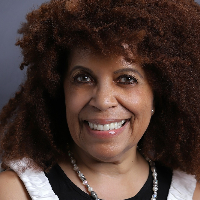


Robin Hall
LCSW
Tennessee - 12 yrs exp




















What Client-Centered Therapy Is
Client-Centered Therapy, often called person-centered therapy, is an approach that places your experience at the center of the work. Developed in the mid-20th century, it emphasizes a therapeutic relationship built on empathy, genuineness, and acceptance. Rather than directing you toward specific outcomes, a therapist using this approach listens, reflects, and helps you explore your thoughts and feelings so you can find your own path forward.
Core Principles
At the heart of Client-Centered Therapy are a few interrelated principles that shape how sessions feel and progress. Empathic understanding means your therapist aims to see your experience from your perspective and communicate that understanding back to you. Unconditional positive regard involves receiving acceptance and respect without judgment. Congruence refers to the therapist being genuine and transparent when appropriate, rather than hiding behind a clinical facade. Together these elements create a warm, non-judgmental environment that supports self-exploration and personal growth.
How Therapists Use This Approach in Tennessee
Therapists across Tennessee adapt Client-Centered principles to the communities they serve. In urban centers like Nashville and Memphis, therapists may blend this approach with other evidence-informed techniques to address the fast pace and diverse needs of city life. In places such as Knoxville and smaller towns, providers often emphasize strong relational connection and long-term therapeutic alliances. Whether you are working with a clinician in a community mental health clinic, a private practice, or through online sessions, the core aim remains consistent - to create a comfortable environment where you can be heard and understood.
Integration with Local Community Needs
In Tennessee, therapists often consider cultural, social, and economic factors when applying Client-Centered Therapy. That might mean paying close attention to family dynamics, faith and spiritual identity, experiences of relocation or job change, and regional values. Therapists who practice this approach typically tailor their communication style and pace to match your needs, helping you feel understood whether you live in a busy neighborhood in Nashville or a quieter community outside Knoxville.
Issues Commonly Addressed with Client-Centered Therapy
Client-Centered Therapy is used for a wide range of concerns because it focuses on strengthening your ability to understand yourself and make meaningful choices. People often seek this approach for issues such as persistent low mood, anxiety, stress related to life transitions, relationship difficulties, and struggles with self-esteem. It is also commonly used to support personal growth, identity exploration, and coping with grief. The emphasis on empathetic listening can be particularly helpful if you want a therapeutic space where you are trusted to lead the process.
What a Typical Online Session Looks Like
Online Client-Centered Therapy sessions in Tennessee are designed to recreate the therapeutic relationship in a digital format. A typical session begins with a check-in - you and your therapist take a few minutes to note how things have been going since the last meeting. Much of the session involves open-ended conversation, where your therapist listens carefully and reflects back what they hear. Rather than giving direct advice, they might mirror your feelings, gently challenge inconsistencies, or highlight strengths you may overlook. Sessions are paced according to your needs, and many people find that the convenience of meeting from home makes it easier to attend regularly.
Practical Considerations for Online Work
If you choose online sessions, you will want a quiet, comfortable environment where you can speak freely. A reliable internet connection, a device with a camera and microphone, and a space where you feel at ease will help the work go smoothly. Therapists in Tennessee offer various scheduling options to accommodate work obligations and family life, and many provide brief introductory calls so you can get a sense of rapport before committing to regular sessions.
Who Is a Good Candidate for Client-Centered Therapy
You may be a good fit for Client-Centered Therapy if you value a respectful, non-directive approach and want to explore your feelings and choices at your own pace. This method is well suited to people who are motivated to reflect on their experience and who benefit from being heard and validated. Adolescents, adults, and older adults alike can find this approach helpful when they want support that prioritizes understanding over instruction.
When to Consider Other Options
While many people benefit from Client-Centered Therapy, it may be helpful to consider other or additional approaches if you are experiencing a crisis, safety concerns, or symptoms that require specific, targeted interventions. Therapists in Tennessee often collaborate with other professionals and can help you explore whether integrating different therapeutic tools or referrals would better meet your needs.
Finding the Right Client-Centered Therapist in Tennessee
Begin your search by looking at therapist profiles and biographies to get a sense of training, approach, and areas of experience. Pay attention to whether a clinician explicitly mentions a person-centered or Client-Centered orientation and whether they describe using empathy, reflection, and acceptance as central tools. Consider practical factors such as office location, whether they offer online sessions, appointment availability, and whether their hours fit your schedule. If you live in or near major cities like Nashville, Memphis, or Knoxville, you may find a wider range of clinicians and specialty services; in smaller communities you might prioritize therapists who have experience with the local culture and resources.
Making the First Contact
Reach out for an initial consultation to ask about how they conduct sessions, what a typical course of work looks like, and how they measure progress. You might ask how they build the therapeutic relationship and how they handle differences in background or perspective. Trust your impressions - the way a therapist listens and responds during a first conversation can give you a strong sense of whether you will feel comfortable working with them. If you try a few sessions and do not feel a good fit, it is reasonable to explore other profiles until you find someone who matches your needs.
Next Steps
Choosing a therapist is a personal decision, and Client-Centered Therapy can provide a respectful, person-focused option for many kinds of concerns. Use the listings above to compare approaches, read clinician biographies, and request an appointment in your area. Whether you are near Nashville, Memphis, Knoxville, or elsewhere in Tennessee, there are practitioners who aim to create a supportive, empathetic space where you can explore what matters most to you.