Find a Trichotillomania Therapist in Tennessee
This page lists therapists who specialize in Trichotillomania across Tennessee, including clinicians practicing in Nashville, Memphis, and Knoxville. Browse the profiles below to compare approaches, specialties, and availability to find a good fit.

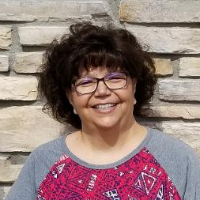
Cindy Cothran
LPCC, LPC
Tennessee - 18 yrs exp









How Trichotillomania Therapy Works for Tennessee Residents
If you are seeking help for hair-pulling, therapy typically begins with an assessment of your history, triggers, and current coping strategies. A clinician will ask about the pattern and frequency of pulling, related urges, and any attempts you've made to reduce the behavior. That information shapes a tailored plan that often blends behavior-focused techniques with strategies to manage stress, habit awareness, and emotional triggers. In Tennessee, you can find practitioners who offer both in-person sessions in urban centers like Nashville and Memphis and remote care that makes it easier to access specialized expertise from smaller communities.
Common treatment approaches
Evidence-informed methods such as habit reversal training and comprehensive behavior interventions are commonly used to address Trichotillomania. These approaches teach you to notice the urge, identify situations or feelings that increase pulling, and replace the pulling behavior with an alternative action. Therapy may also include elements of acceptance-based work, cognitive strategies to address unhelpful thoughts, and skills for managing impulses during high-stress moments. The aim is to give you practical tools to reduce pulling-related distress and build routines that support longer-term change.
Finding Specialized Help in Tennessee
Finding a therapist with specific experience in Trichotillomania can make a difference in how quickly you learn effective skills. Start by searching profiles for clinicians who mention habit-focused interventions, cognitive-behavioral approaches, or work with body-focused repetitive behaviors. Many therapists list training in relevant techniques, and some may offer workshops or group programs focused on habit change. Urban areas such as Nashville, Memphis, Knoxville, Chattanooga, and Murfreesboro often have clinicians with focused experience, while telehealth options expand access if you live in a more rural part of the state.
When you review profiles, look for information about therapist qualifications and whether they work with adults, teens, or children. If you are a parent seeking care for a child, seek a clinician who has experience with developmental considerations and family-based strategies. If you are seeking care for yourself, consider whether you prefer a therapist who emphasizes behavioral training, emotion regulation, or a combination of methods.
What to Expect from Online Therapy for Trichotillomania
Online therapy can be a practical choice for people across Tennessee, including those in Nashville or on the outskirts of Memphis who need flexible scheduling. In a typical online session, you and your therapist will meet by video and work through assessment, habit monitoring, and skill practice. You may be asked to complete short exercises between sessions, such as tracking urges, noting triggers, and practicing competing responses. Many therapists use shared worksheets or therapist portals to send materials and monitor progress, which helps keep the work focused between appointments.
Online care offers convenience and continuity when travel is difficult, but it also requires some preparation. You will want a quiet, comfortable environment for sessions, a reliable internet connection, and a plan for any hands-on practices your therapist recommends. Some clinicians combine occasional in-person visits with telehealth sessions if that suits your needs. Always confirm that the therapist is licensed to provide services in Tennessee and ask about their experience delivering online treatment for habit-related concerns.
Common Signs That Someone in Tennessee Might Benefit from Therapy
You might consider seeking help if hair-pulling is causing noticeable distress, interfering with daily routines, or affecting your social life or self-image. Signs that therapy could help include frequent urges that feel difficult to control, repeated unsuccessful attempts to stop, avoiding social situations because of visible hair loss, or using pulling as a way to cope with strong emotions. For parents, changes in a child’s school performance, withdrawing from activities, or secretive behavior around grooming may be signals that professional support would be beneficial.
It is also common for Trichotillomania to coexist with anxiety, mood changes, or other repetitive behaviors. If you notice overlapping concerns, a therapist who understands how these issues interact can help coordinate treatment so you address both the pulling and any contributing factors.
Tips for Choosing the Right Therapist in Tennessee
Choosing a therapist is a personal process. Begin by identifying priorities such as location, availability, insurance acceptance, or experience with specific techniques. If you are seeking someone nearby, check listings for clinicians in cities like Knoxville or Chattanooga; if schedule flexibility is important, prioritize those who offer evening appointments or telehealth. Reach out to a few therapists to ask about their experience with Trichotillomania, the strategies they use, and what a typical session looks like. A brief initial conversation can help you sense whether their approach aligns with your preferences.
Ask about practical details like session length, fees, cancellation policies, and whether they offer sliding scale options. If you rely on insurance, confirm whether the therapist accepts your plan and what diagnoses they code for. It is reasonable to inquire about measurable goals and how progress is tracked - therapists who work with habit change often use tracking tools to help you see momentum over time.
Working with teens and families
If you are seeking help for a teenager, look for clinicians who incorporate family education and communication strategies into treatment. Parents can play a supportive role by learning how to reinforce healthy habits, structure environments to reduce triggers, and support skill practice without creating pressure. A therapist who balances individual work with family involvement can help create a consistent approach at home and at school.
Next Steps and Getting Started
When you are ready to begin, take your time reviewing profiles and reach out with specific questions about training and treatment style. Expect your first sessions to focus on understanding your history and developing a practical plan of action tailored to your daily routines and goals. Whether you live in a busy center like Nashville or a quieter town in Tennessee, you can find clinicians who will work with you to reduce pulling behaviors and improve daily functioning. If initial matches do not feel right, it is acceptable to try another therapist until you find the professional relationship that supports steady progress.
Therapy for Trichotillomania is a combination of learning concrete skills and making gradual changes to how you respond to urges. With the right approach and a therapist who understands habit-focused work, you can build strategies that fit your life and move toward meaningful improvement.