Find a Women's Issues Therapist in Tennessee
This page connects you with licensed therapists across Tennessee who focus on women's issues. Browse profiles from Nashville to Memphis and beyond to find a clinician who matches your needs.

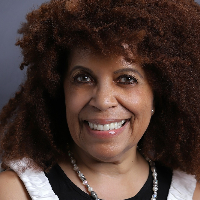


Robin Hall
LCSW
Tennessee - 12 yrs exp











Denise Goin
LCSW
Tennessee - 15 yrs exp




Cindy Cothran
LPCC, LPC
Tennessee - 18 yrs exp




How women's issues therapy works for Tennessee residents
If you are considering therapy for women's issues in Tennessee, the process typically begins with identifying the concern you want to address and finding a clinician whose training and approach fit your needs. Many therapists will offer an initial consultation - often a short phone or video call - so you can ask about experience with reproductive concerns, perinatal and postpartum support, menopausal transitions, trauma related to gender-based violence, or relationship and identity questions. During early sessions you and your therapist will outline goals and practical steps, and decide on a rhythm for appointments that fits your life.
Tennessee residents can access care in person or through online sessions, which can be especially helpful if you live outside a major city or have limited transportation options. In-person care is available across urban and suburban areas including Nashville, Memphis and Knoxville, while teletherapy options can connect you with specialists whose offices may be in another part of the state. You should plan to discuss personal nature of sessions practices, session length, fees and any paperwork required before committing to ongoing work.
Finding specialized help for women's issues in Tennessee
Look for clinicians who list women's issues as a focus area and who have training or experience in the specific topics you care about - for example reproductive loss, fertility-related stress, perinatal mood difficulties, hormonal mood changes, or trauma-informed care for survivors. Many therapists bring additional credentials or continuing education in areas like maternal mental health, sexual health, grief work, or somatic approaches. If you live near a larger metropolitan area such as Nashville or Memphis, you may find practitioners who specialize narrowly in a single concern. If you live in a smaller town, remote appointments increase your options.
When you review profiles, pay attention to the therapist's therapeutic orientation and the populations they serve. Some clinicians describe an integrative approach blending cognitive and somatic methods, while others emphasize evidence-based models like cognitive behavioral therapy or trauma-focused therapies. You should also consider practical details - whether they accept your insurance, offer sliding-scale fees, or provide evening appointments - since these factors affect how consistently you can attend sessions.
What to expect from online therapy for women's issues
Online therapy has become a common way to access specialists across Tennessee, and it can be particularly valuable for sensitive women's health concerns. You can expect sessions to take place by video or phone, with a structure similar to in-person therapy - a focus on your goals, collaborative planning, and homework or exercises when appropriate. Many clinicians adapt techniques for virtual work, offering guided breathwork, reflective exercises, and tools you can use between sessions.
Online care also gives you access to therapists who may have particular expertise that is scarce in your local area. For example, you might connect with someone who specializes in perimenopause-related mood changes even if the nearest specialist is not in your city. You should make sure you have a quiet, comfortable environment for sessions and discuss how the therapist handles notes, cancellations and emergency contacts. If you are in Knoxville or another city, you may combine in-person and online sessions as needed to create a hybrid plan.
Common signs that you might benefit from women's issues therapy
You might consider seeking a therapist if you find that changes related to reproductive events are interfering with your daily life - for instance if pregnancy loss, fertility struggles, or postpartum emotions are making it hard to focus, sleep, or connect with loved ones. Hormonal transitions such as perimenopause can sometimes bring mood shifts or anxiety that are distressing or unfamiliar. If you are coping with trauma, including experiences of gender-based violence or sexual trauma, and notice persistent anxiety, intrusive memories, or avoidance of previously enjoyed activities, specialized therapy may help you find strategies to manage symptoms and rebuild routines.
Relationship stress is another common area where women's issues therapy can offer support. You may want help navigating changing roles at home, caregiving responsibilities, or the emotional impact of life transitions like divorce, career shifts, or relocation. Even if your concerns feel private or complex, a therapist trained in women's health topics can offer tailored tools and a steady plan for progress.
Tips for choosing the right therapist in Tennessee
When choosing a therapist, prioritize fit as much as credentials. Read therapist profiles to learn about their approach and the populations they serve, and look for language that resonates with your experience. It is reasonable to ask about specific experience with perinatal mood issues, reproductive loss, menopausal transitions, sexual health, or trauma-informed care. You should also ask about licensure and whether the therapist is authorized to practice in Tennessee, especially if you plan to use teletherapy across state lines.
Consider scheduling brief consultations with two or three therapists before making a choice. These conversations let you assess rapport and practical compatibility - whether appointment times match your schedule, whether they accept your insurance or offer sliding-scale options, and how they handle cancellations. If you live near Nashville, Memphis or Knoxville, you may have more in-person options; if you live farther from city centers, give weight to therapists who have a proven track record of effective online work.
How to prepare for your first sessions and next steps
Before your first session, reflect on what you hope to accomplish and any recent events that feel important to discuss. You might jot down a few symptoms, stressors, or patterns you have noticed so you can share them clearly. If you are seeking support for a reproductive or medical concern, make note of any recent healthcare visits or medications that are relevant. Being prepared helps your therapist tailor an approach from the beginning.
Therapy is often a process of steady work rather than a single solution. You should expect to evaluate progress periodically and adjust goals with your therapist. Many people find benefits within a few months of consistent sessions, while others pursue longer-term care for deeper issues. If a therapist's style or plan does not feel right, it is okay to seek a different clinician - finding the right match is a key part of effective care.
Resources and local considerations
Throughout Tennessee there are community clinics, group practices and independent clinicians offering women's mental health services. Urban centers like Nashville, Memphis and Knoxville host a range of specialists, while smaller communities often rely on teletherapy to expand access. When you contact a therapist, ask whether they collaborate with medical providers when relevant - for example obstetricians or primary care clinicians - to ensure coordinated care for reproductive or hormone-related issues.
Finally, remember that seeking help is a proactive step. Whether you are looking for support after a major life change, coping with fertility or pregnancy concerns, navigating menopause, or working through trauma, there are professionals across Tennessee ready to help you find resilience and clearer next steps. Use the listings above to compare profiles, read clinician statements, and reach out to schedule an introductory conversation that can move you closer to the care you want.