Find a Coaching Therapist in Texas
This page lists coaching therapists serving Texas who offer goal-focused guidance and personal development support. Browse the therapist profiles below to find practitioners near major cities or offering online sessions.
















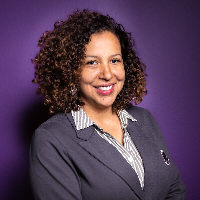







How coaching therapy works for Texas residents
Coaching therapy focuses on helping you identify clear goals, build practical skills, and create action plans that move you forward. In Texas, many coaching therapists blend evidence-informed techniques with a strengths-based approach, working with you to clarify priorities, develop new habits, and measure progress over weeks or months. Sessions typically center on problem solving and skill building rather than symptom treatment, so you and your coach work collaboratively to set milestones and check in on results.
Your coaching experience may be short term and highly structured or more open-ended depending on what you want to accomplish. You can expect a mix of conversation, structured exercises, and between-session tasks that help you apply new strategies in daily life. Coaches often draw from cognitive-behavioral tools, motivational interviewing, and performance coaching methods to keep progress practical and focused.
Licensure and scope in Texas
Coaching in Texas can be offered by licensed counselors, licensed social workers, psychologists, or by trained coaches who hold certifications from coaching organizations. If you are seeking support for career transitions, leadership development, or life goals, a coach or coaching therapist can be a good fit. If you have pressing mental health concerns such as intense anxiety, suicidal thoughts, or severe mood disruption, a clinician with a mental health license may recommend clinical therapy or other supports. It is helpful to review a practitioner’s credentials and ask about their training and professional boundaries before beginning work.
Finding specialized coaching help in Texas
When you search for coaching help, look for professionals who highlight the specific areas you want to address. Some coaches emphasize career advancement and executive presence, while others focus on life transitions, relationship skills, or habit change. In larger metro areas like Houston and Dallas you are likely to find clinicians who specialize in corporate transitions and leadership coaching, while Austin often has practitioners who work with entrepreneurs and creative professionals. San Antonio and Fort Worth offer a mix of community-focused and business-oriented coaches, reflecting the varied needs across Texas communities.
Beyond geographic location, consider whether you prefer a coach with experience in particular industries, experience working with your age group, or familiarity with cultural issues that matter to you. You can learn a lot from therapist bios, client testimonials, and descriptions of their coaching approach. Many coaches provide an initial consultation so you can get a sense of fit before committing to a regular schedule.
Local considerations and accessibility
Texas is large and diverse, so access to in-person coaching will vary by region. Urban centers tend to have more options and a wider range of specialties, while smaller towns may have fewer local practitioners but still offer remote sessions. Transportation, scheduling, and availability during evenings or weekends can be important factors if you juggle work and family commitments. If you need face-to-face meetings, search for coaches who list offices in Houston, Dallas, Austin, San Antonio, or Fort Worth. If you prefer flexibility, many coaches now offer online sessions that make it easier to connect from home or the office.
What to expect from online coaching therapy
Online coaching allows you to meet with a therapist from anywhere in Texas, which can be especially helpful if you live outside a major city or have a busy schedule. Sessions typically happen by video or phone and follow a similar structure to in-person meetings, with time set aside for reviewing progress, setting new goals, and addressing obstacles. You should expect clear guidance on how to prepare for sessions, how long they will last, and what kinds of between-session work will support your goals.
Before your first online meeting, make sure your internet connection, camera, and microphone work well. Choose a comfortable environment where you can speak freely and focus on the conversation. Coaches often use worksheets, shared notes, or digital planning tools to keep sessions organized, and they will explain how they track goals and measure progress. If you prefer a mix of in-person and digital contact, ask about hybrid arrangements that combine occasional office visits with online follow-ups.
Common signs you might benefit from coaching therapy
You might consider coaching therapy if you feel stuck in a pattern that limits your progress, even though you know what you want. People seek coaching when they are navigating career changes, starting a new business, facing leadership responsibilities, or trying to establish healthier routines. If you find yourself procrastinating on important tasks, struggling to set or maintain goals, or wanting clearer boundaries between work and personal life, coaching can help you develop practical strategies and accountability.
Coaching can also be useful when you are managing a life transition - such as returning to work after a break, moving to a new city, or rethinking your priorities - and you want focused support to make thoughtful choices. Additionally, if you are stepping into a leadership role or aiming to improve your professional presence, coaching therapists can help you enhance communication, decision making, and team management skills. If you experience persistent emotional distress or symptoms that interfere with daily functioning, a clinician may recommend deeper therapeutic intervention alongside coaching.
Tips for choosing the right coaching therapist in Texas
Begin by clarifying what you want to achieve and how you prefer to work. When reviewing profiles, pay attention to the coach’s stated specialties, session formats, and client population. If you value an approach rooted in measurable outcomes, look for coaches who outline how they set benchmarks and assess progress. If cultural fit matters to you, seek practitioners who mention experience with your community or who describe communication styles that match your preferences.
Ask about training and relevant credentials, and inquire whether the coach has experience working with people in situations similar to yours. Discuss practical matters such as session length, frequency, fees, and cancellation policies so there are no surprises. An initial consultation is a low commitment way to gauge rapport and see if the coach’s style helps you feel motivated and understood. Trust your instincts about fit - a coach who invites honest feedback and adapts their methods to your needs can make a notable difference in how much progress you achieve.
Considering location and format
If meeting in person is important, choose a coach with an office near you or in a convenient part of town. In cities like Houston and Dallas you may have more choices for in-person consultations and specialty offerings. If convenience and scheduling flexibility are priorities, online coaching can remove barriers and connect you with specialists across the state. Either way, clarity about logistics and expectations up front will help you commit to a plan and get results.
Next steps
Take time to read profiles and select a few coaches whose experience and approach match your goals. Reach out for an introductory call so you can ask about method, expected outcomes, and how progress will be measured. Whether you live near Austin, in the suburbs of Fort Worth, or anywhere else in Texas, a well-matched coaching therapist can help you create forward momentum, stay accountable, and build practical skills for the next chapter of your life. When you find someone who resonates with your priorities, schedule that first session and begin setting actionable steps toward your goals.