Find a Dissociation Therapist in Texas
This page lists clinicians in Texas who focus on dissociation and related concerns, helping you find a good match for care. Use the listings below to compare specialties, approaches, and availability.
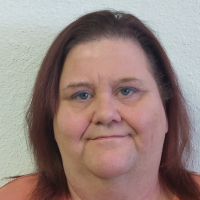








Angela Novak
LPC
Texas - 10 yrs exp















How dissociation therapy works for Texas residents
If you are exploring dissociation therapy in Texas you will find that the process often begins with a careful assessment to understand how dissociative experiences show up in your life. Many therapists will ask about your symptoms, day-to-day functioning, safety concerns, and any history of trauma or medical issues that might be relevant. From there, a clinician typically collaborates with you to set short-term goals that focus on stabilization and safety, and longer-term goals that address processing difficult memories and building resilience. Therapy is commonly phase-oriented - starting with grounding and coping skills, then moving into more focused work when you and your clinician agree it feels manageable.
Common approaches and what they do
Therapists who specialize in dissociation often use a mix of trauma-informed methods tailored to your needs. Some approaches emphasize learning practical grounding techniques to help you feel oriented when you notice dissociative shifts. Others focus on developing emotion regulation skills and building a coherent sense of self over time. Therapists may draw on cognitive behavioral strategies to address unhelpful thoughts, somatic techniques to reconnect with the body, and therapies that facilitate reprocessing of traumatic memories when you are ready. The important point is that a skilled clinician will adjust methods to match your pace and tolerances rather than pushing for rapid change.
Finding specialized help for dissociation in Texas
When looking for a therapist who understands dissociation, consider clinicians who list trauma, dissociative symptoms, or related specialties on their profiles. In cities like Houston, Dallas, and Austin you will find clinicians with varied training and experience, including therapists who have pursued post-graduate education in trauma-informed care. If you live outside a major city, many Texas clinicians offer remote sessions which can broaden your options. It is reasonable to ask potential providers about their experience working with dissociative symptoms, the kinds of approaches they use, and how they sequence treatment so you have clarity before you begin.
Licensing and professional credentials
Therapists in Texas hold a range of licenses and certifications. You can look for licensed professional counselors, licensed clinical social workers, psychologists, and other mental health providers who are authorized to provide therapy in the state. Credentials and years of experience can be useful signals, but so are specific training and supervision in trauma-related work. Asking whether a therapist receives ongoing consultation when working with complex dissociation is a fair and practical question that can help you assess fit.
What to expect from online therapy for dissociation
Online therapy can be an effective option if you live in Texas and need flexible access to a clinician. When you choose telehealth, you should expect to use a video platform or telephone sessions, depending on what your therapist offers and what feels comfortable for you. Therapists will typically explain how they handle appointments, cancellations, and emergency planning when you are connecting remotely. Online work can extend access to clinicians with specialized training who may not be located near you, but it also requires clear communication about boundaries, session structure, and how to get immediate help if you are in crisis between sessions.
Practical considerations for remote work
Before starting online therapy, think about where you will take sessions so you have a comfortable environment and minimal interruptions. It helps to discuss with your therapist what to do if a dissociative episode occurs during a remote session and how you both will handle technical issues. If you live in a major Texas city like Houston or Dallas you may have the option to switch between in-person and online sessions as needed. Some people find that telehealth increases their ability to maintain consistent care, while others prefer meeting face-to-face for certain parts of treatment.
Common signs that someone in Texas might benefit from dissociation therapy
You might consider seeking specialized therapy if you notice recurring experiences of feeling disconnected from your thoughts, body, or surroundings. You could experience gaps in memory for periods of time, a sense of watching yourself from outside your body, or episodes where you lose track of extended stretches of time. You may also find that these experiences affect your relationships, work, or daily functioning. If you notice intense emotional reactions that are hard to bring under control, frequent feelings of detachment after stressful events, or ongoing difficulty remembering critical parts of your past, those are valid reasons to explore assessment and targeted support from a clinician with dissociation expertise.
When to seek immediate help
If you are feeling unsafe or are having thoughts of harming yourself, reach out to local emergency services or a crisis line promptly. Therapists will often address safety planning early in care, and it is important to connect with emergency resources in Texas if you are at immediate risk. For less urgent but distressing symptoms, scheduling an assessment with a clinician who understands dissociation is a constructive next step.
Tips for choosing the right therapist for this specialty in Texas
Finding the right match can make a big difference in how comfortable and supported you feel during treatment. Start by reviewing therapist profiles to learn about their training, specialties, and therapeutic approaches. Consider scheduling an initial consultation to get a sense of how the therapist communicates and whether you feel heard. During that first conversation you can ask how they approach dissociation, what types of interventions they find helpful, and how they structure treatment. It is also helpful to discuss logistical factors - whether they offer evening appointments, accept your insurance, or provide a sliding scale - so you can maintain continuity of care.
Personal fit and cultural awareness
Therapy is a collaborative process, and feeling understood by your clinician matters. Look for someone who demonstrates cultural awareness and respect for your background, values, and identity. In larger Texas communities such as Austin you may find clinicians who specialize in working with particular populations or who bring multilingual skills. If that is important to you, mention it when you contact potential providers. Remember that it is acceptable to try a few therapists before you find the right fit - the goal is to work with someone who supports your goals and makes it possible for you to progress at your own pace.
Next steps for getting help in Texas
When you are ready to move forward, use the directory listings to compare clinicians, read their descriptions, and reach out to those who align with your needs. Prepare a few questions for an initial call so you can learn about their experience and approach. You may also want to check whether they offer in-person sessions in cities like Houston, Dallas, or Austin, or whether remote appointments are the better option for you. Taking that first step can feel daunting, but connecting with a clinician who understands dissociation can help you build skills, increase stability, and work toward greater day-to-day grounding and well-being.
If you prefer, start by reaching out to a clinician listed above to schedule a brief consultation - many therapists welcome initial conversations to help you determine whether they are a good match for your needs.