Find a Men's Issues Therapist in Texas
This page lists therapists in Texas who focus on men's issues, offering a range of approaches for relationship, work, and life challenges. Explore profiles below to compare specialties, locations, and approaches before reaching out to a provider.



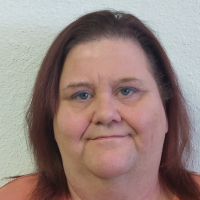




Steven Ramage
LPC
Texas - 3 yrs exp














How men's issues therapy typically works for Texas residents
When you seek help for men's issues in Texas, the process usually begins with an initial contact where a therapist or their office collects basic information and schedules an intake session. During that first meeting you can expect a conversational assessment that looks at the concerns that brought you in, your personal history, and the goals you want to work toward. From there you and your therapist agree on a plan - that plan can be short-term and goal-focused or it can be longer-term as you explore patterns and deeper themes in your life.
Therapists who specialize in men's issues often combine practical problem solving with exploration of social and cultural expectations around masculinity. That means sessions may alternate between skill-building - such as communication tools for relationships or stress management techniques for work - and reflective work on identity, emotional expression, or past wounds. You will find clinicians who use evidence-informed approaches as well as those who integrate relational, strengths-based, or culturally attuned frameworks to best fit your needs.
Finding specialized help for men's issues in Texas
Texas is geographically and culturally diverse, so the options available to you will vary depending on whether you are in a large city, a suburban community, or a rural area. In metropolitan centers such as Houston, Dallas, and Austin you will often find a wide range of clinicians with specialized training in topics like anger management, fatherhood, sexuality, workplace stress, and trauma recovery. In smaller towns or less populated regions appearance of fewer specialists can be common, but many therapists offer telehealth sessions that expand access across the state.
When searching for a therapist focused on men's issues, look for clinicians who explicitly list relevant experience on their profiles - for example, working with men managing life transitions, veterans adjusting to civilian life, or men navigating relationship conflicts. You may also want providers who signal cultural competence for populations that matter to you, such as racial or ethnic backgrounds, sexual orientation, or faith considerations. Asking about a clinician's training, typical caseload, and approaches during an initial phone call can help you identify whether they are a fit.
Local considerations across Texas
Urban centers like Houston and Dallas often offer a wider variety of specialties and group options, making it easier to find someone who works with a specific issue. Austin tends to have a robust community focus on progressive and holistic approaches, while other parts of the state may emphasize traditional talk therapy. Travel time and scheduling are practical considerations - traffic in city centers and long drives in rural areas can influence whether you opt for in-person or online sessions. Many therapists offer evening or weekend appointments to accommodate work schedules, which is helpful if you juggle long workdays or parenting responsibilities.
What to expect from online therapy for men's issues
Online therapy is now a common option in Texas and can be particularly convenient if you live far from specialized providers or have a demanding schedule. When you attend sessions remotely, the rhythm of therapy often mirrors in-person care - you will meet with a clinician for regular appointments, set goals, and work through exercises or conversational themes. The technology used for virtual sessions should be reliable and allow for clear audio and video so you can focus on the conversation rather than technical glitches.
To get the most out of online therapy, choose a quiet area where you can speak openly and where interruptions are minimal. You can ask potential therapists about how they handle emergencies or changes in plans, as well as how they preserve your privacy during video sessions. Online options can also expand your pool of clinicians, making it easier to find someone with specific expertise in men's issues, such as couples work focused on masculine role shifts or therapy that addresses workplace burnout.
Common signs that someone in Texas might benefit from men's issues therapy
You might consider therapy if you notice persistent patterns affecting your day-to-day life, relationships, or work. These may include ongoing difficulty expressing emotions, frequent conflicts with a partner or family members, escalating stress related to career demands, or a sense of disconnection from fathership or partnership roles. Other signals include repeated use of avoidance behaviors - such as excessive working, substance use, or emotional withdrawal - to manage uncomfortable feelings.
Changes in sleep, appetite, or motivation can also point to a need for support, as can a growing sense that you are not meeting your own expectations or those of people close to you. Life transitions - a new fatherhood role, divorce, retirement, or returning from military service - can bring specific challenges that respond well to focused therapy. If you feel stuck and are ready to explore new ways of relating, regulating strong emotions, or setting healthier boundaries, therapy can provide a guided space for that work.
Tips for choosing the right therapist for men's issues in Texas
When you begin evaluating therapists, pay attention to how well their described approach aligns with what you want. Some clinicians emphasize practical skills and short-term outcomes while others orient toward deeper exploration over time. It is reasonable to ask about experience with particular concerns - for example, couples work when you and your partner plan to attend together, or trauma-informed care if you have a history of adverse experiences. You can also inquire about the therapist's experience working with men from similar backgrounds or life contexts.
Consider logistical details as well - location, appointment availability, insurance or fee options, and whether they offer in-person or remote sessions. If you are balancing a demanding job in Houston or Dallas, you may prefer clinicians who offer evening appointments or telehealth visits. If cultural fit matters to you, ask about the therapist's approach to identity, race, religion, or sexual orientation so you can feel understood and respected in sessions.
Finally, trust your experience during the first few sessions. It is common to try more than one therapist before finding the right fit. A good match is not just about credentials - it is also about feeling heard, respected, and genuinely engaged in the process of change. Many therapists will offer a brief phone consultation so you can ask questions and get a sense of whether their style will work for you.
Moving forward with therapy in Texas
Beginning therapy is a practical step and also an emotional investment. If you live in a major city like Austin, you will have diverse options that may include specialized groups and community resources. In Dallas and Houston you may find clinicians with particular expertise in workplace stress or relationship dynamics. Across the state you can often combine in-person and online care to match your schedule and needs.
Use the listings on this site to narrow choices based on proximity, specialty, and approach. Reach out with a few questions about orientation and availability, and allow yourself space to try sessions before making a longer commitment. With the right match, therapy can provide clarity, better coping strategies, and practical changes that affect your relationships and daily life. If you are ready to take the next step, start by exploring profiles and contacting a clinician whose experience resonates with your goals.