Find an OCD Therapist in Texas
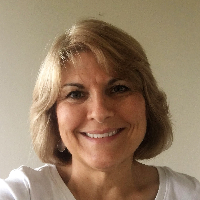
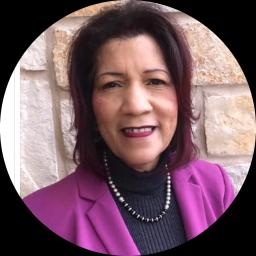
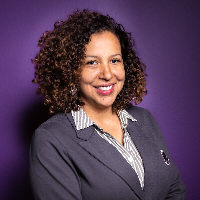
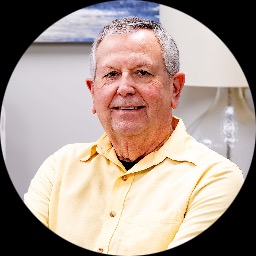
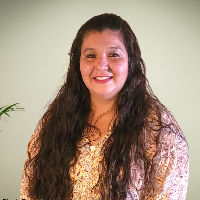
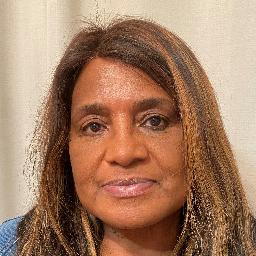
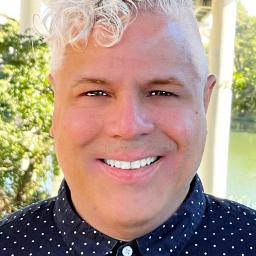
This page connects visitors with therapists in Texas who specialize in obsessive-compulsive disorder and related approaches. Explore profiles to compare credentials, clinical focus, and available appointment formats, then browse the listings below to find a provider who meets your needs.







How OCD Therapy Works for Texas Residents
If you are considering therapy for obsessive-compulsive disorder in Texas, the first step is typically an assessment to understand the pattern of intrusive thoughts and compulsive behaviors that affect daily life. Clinicians will ask about how symptoms started, what situations trigger distress, and how rituals or avoidance strategies influence your routine. From there, a treatment plan is developed that focuses on practical steps to address the thoughts and behaviors that get in the way of your goals.
Many therapists who work with OCD use approaches centered on exposure and response prevention, often in the context of cognitive-behavioral frameworks. These approaches help you face feared situations or thoughts in a gradual, supported way while reducing reliance on rituals. The goal is to build tolerance for discomfort and to expand the range of activities you can do without compulsive responses. Sessions typically include in-session practice, planning for between-session exercises, and regular progress review. If medication is being considered, therapists may coordinate with prescribers so you have a clear, collaborative plan.
Finding Specialized Help for OCD in Texas
Access to clinicians with OCD expertise varies across regions. Major cities such as Houston, Dallas, and Austin tend to have clinicians, specialty clinics, and training programs with specific experience in exposure-based approaches, which can make finding a specialist easier. In smaller towns and rural areas of Texas, options may be more limited but telehealth has expanded access by connecting you with clinicians licensed to treat residents in the state.
When searching for a therapist, look for information about training and experience with OCD-specific methods rather than general anxiety work alone. Many clinicians list whether they use exposure and response prevention, cognitive-behavioral therapy, or related approaches. You can also consider university clinics, community mental health centers, and clinicians who offer sliding-scale fees if cost is a factor. If English is not your primary language, searching for clinicians who offer services in your preferred language or who have cultural competence in working with diverse communities can improve fit and outcomes.
What to Expect from Online Therapy for OCD
Online therapy in Texas often mirrors in-person care in structure and content. You can expect an initial evaluation, a clear treatment plan, and scheduled video sessions. Many therapists will guide exposure exercises over video or help you design real-world exposures to complete between sessions. The convenience of online work can be especially helpful if you live far from urban centers or have scheduling constraints due to work or family responsibilities.
Therapists who provide telehealth typically discuss technical details at intake, including how to join sessions and what to do if a connection is interrupted. You should also expect conversations about safety planning and how to get immediate help if strong distress arises between sessions. Online therapy may allow you to practice exposures in your home environment, which can be directly relevant to the rituals and avoidance patterns you are trying to change. Keep in mind that a good therapist will set clear goals and timelines so you understand how progress will be measured.
Common Signs That Someone in Texas Might Benefit from OCD Therapy
You might consider seeking help if intrusive thoughts or repetitive behaviors take up a large portion of your time or cause significant distress. This can look like frequent checking of locks or appliances, persistent counting or ordering rituals, excessive reassurance-seeking, or mental rituals such as silently repeating phrases to neutralize anxiety. These behaviors often interfere with work, school, relationships, or daily routines, and they can lead to avoidance of places or activities that trigger distress.
Other signs include mounting anxiety when attempts are made to resist rituals, noticeable disruptions in family life because of accommodation of rituals, or difficulty concentrating due to intrusive thoughts. If you notice these patterns in yourself or someone you care about in Texas - whether in a neighborhood in Houston, a workplace in Dallas, a campus in Austin, or elsewhere - consulting a clinician with OCD experience can help clarify options and next steps.
Tips for Choosing the Right OCD Therapist in Texas
Start by identifying clinicians who mention specific training in exposure-based approaches and who describe experience working with OCD. You can often learn about a therapist's orientation, typical session structure, and populations served from their profile. When you contact a potential therapist, ask about their experience with exposure and response prevention, how they structure homework between sessions, and what a typical course of therapy looks like for someone with your concerns.
Consider practical factors as well - whether the clinician offers evening or weekend appointments, whether they accept your insurance or offer a sliding-fee arrangement, and whether they provide telehealth if travel is a concern. Cultural fit matters too, so inquire about experience with your community or life context if that is important to you. If you live near an urban center like Houston, Dallas, or Austin you may have more in-person options to compare, but clinicians across the state increasingly offer telehealth to make specialty care accessible.
It is appropriate to ask a clinician how they measure progress and what might change in the plan if you are not improving at the expected pace. A collaborative approach that invites your questions, clarifies expectations for homework, and sets realistic goals is a good indicator of a helpful therapeutic relationship. If you ever feel that a particular clinician is not the right fit, seeking a second opinion or trying a different clinician is a common and reasonable step.
Access Considerations and Practical Steps
Insurance coverage and out-of-pocket costs vary, so check with your insurer to understand what behavioral health benefits apply in Texas. Many clinics and clinicians publish information about fees and insurance on their profiles. If cost is a barrier, ask whether a therapist offers a sliding scale, reduced-rate spots, or group programs that can lower expense. For students or employees, campus counseling centers and employee assistance programs may provide an accessible starting point.
When scheduling, think about timing and commitment. Exposure-based work often involves regular sessions and consistent practice between appointments. Agreeing on a pace that works with your life - whether that means weekly sessions at first or a different rhythm - helps sustain engagement. If you rely on telehealth, make sure you have a quiet, comfortable environment for sessions and a plan for how to manage privacy at home or work.
Moving Forward
Seeking help for OCD is a practical step toward gaining more control over intrusive thoughts and compulsive behaviors. Whether you connect with a therapist in Houston, Dallas, Austin, or through online care across the state, the most important elements are a clinician who understands OCD-focused approaches and a treatment plan that fits your life. Use the listings below to compare providers, read profiles carefully, and reach out with questions. A thoughtful match between you and a therapist increases the likelihood that you will stay engaged and see meaningful change over time.
When you are ready, reach out to a few clinicians to discuss fit, availability, and next steps. A brief conversation can clarify whether a therapist's approach aligns with your needs and help you decide on a path forward that feels manageable and hopeful.