Find a Self-Harm Therapist in Texas
This page lists therapists across Texas who specialize in supporting people who engage in self-harm. You will find profiles, specialties, and location details to help connect with a clinician who matches your needs. Browse the listings below to explore options in your area.

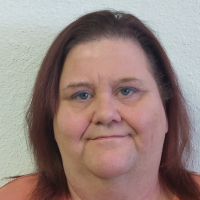







Steven Ramage
LPC
Texas - 3 yrs exp












How self-harm therapy typically works for Texas residents
If you are exploring therapy for self-harm, it helps to know that treatment usually begins with an assessment of current thoughts, behaviors, triggers, and strength-based coping strategies you already use. Your therapist will work with you to build a plan tailored to your history, safety needs, and goals. Sessions often focus on reducing immediate risk, learning alternatives to self-harm, and addressing underlying emotional pain or circumstances that contribute to the behavior.
Therapists who specialize in self-harm bring training in approaches that emphasize emotion regulation, distress tolerance, and skill-building. They also collaborate with you on safety planning - practical steps you can use when urges are intense. In Texas, therapists work within the state mental health system and abide by state laws and professional standards, so care is provided within an established framework that balances support and clinical best practices.
Finding specialized help for self-harm in Texas
When searching for a therapist in Texas, consider clinicians who list self-harm or related areas such as emotion regulation, trauma, or crisis intervention among their specialties. Many people begin by narrowing choices by city, license type, and treatment approach. If you live in a metropolitan area - for example Houston, Dallas, or Austin - you may find more clinicians who specialize in this area and a wider range of therapy modalities.
Outside major cities, clinicians still provide thoughtful, evidence-informed care, and you may find providers who combine in-person sessions with remote options. You can review therapist profiles to learn about their training, years of experience, and therapeutic orientation. Look for descriptions that explain how they help people who self-harm, what kinds of techniques they use, and whether they have experience working with adolescents, young adults, or other specific groups.
Considerations about licensure and credentials
In Texas, therapists hold different professional licenses, such as licensed professional counselors, licensed clinical social workers, or licensed psychologists. Each type of license comes with particular training and scope of practice. You may prefer a clinician with specific trauma training or certification in therapies that are commonly used with self-harm, but practical fit - such as communication style, availability, and insurance acceptance - often matters as much as credentials.
What to expect from online therapy for self-harm
Online therapy can expand access if local options are limited or if travel is difficult. If you choose remote sessions, you should expect an initial conversation that covers risk assessment, crisis planning for moments of high distress, and agreement on how to contact emergency services in your area if needed. Sessions conducted online can follow many of the same evidence-informed approaches as in-person care, and some clinicians integrate digital tools or homework exercises to support skill-building between meetings.
Keep in mind that certain legal and licensing considerations affect online care. Therapists licensed in Texas can provide ongoing treatment to clients who are physically in Texas during sessions. If you travel outside the state, your therapist may need to pause remote therapy until you are back in Texas or until they are licensed where you are located. When you first speak with a clinician, ask about their policies for crisis contact, session recording, and how they coordinate care with local services if more urgent support is needed.
Common signs that someone might benefit from self-harm therapy
You might be wondering whether therapy is appropriate for yourself or for someone you care about. People often seek help after noticing repetitive patterns of harming behaviors, increasing urges, or difficulty managing intense emotions without injuring themselves. Other indicators include frequent thinking about self-injury, secretive behaviors around hurting, unexplained scars or injuries, or using self-harm as a primary way to cope with overwhelming stress. Changes in mood, withdrawal from friends and activities, or escalating impulsive behaviors can also signal that professional support could be helpful.
If a young person or adult expresses hopelessness, describes urges that feel difficult to control, or has had recent incidents of self-harm, it is important to reach out for evaluation and support. You can start by contacting a therapist in your area or by speaking with a primary care provider who can offer referrals. In situations where immediate danger is present, contacting local emergency services is an important step to ensure safety while arranging follow-up care.
Tips for choosing the right therapist for this specialty in Texas
Choosing a therapist is a personal decision that balances expertise with interpersonal fit. When evaluating profiles on a directory, read descriptions closely to understand how clinicians frame their work with self-harm. Some write in depth about the techniques they use, such as cognitive-behavioral strategies, dialectical behavior therapy skills, or trauma-focused therapies. Others emphasize a collaborative, nonjudgmental approach that centers on your values and strengths.
Pay attention to practical details that affect ongoing engagement - appointment availability, whether they offer evening sessions, how they handle cancellations, and whether they accept your insurance or have sliding scale options. If you have a preference for in-person sessions in cities like Houston, Dallas, or Austin, filter listings by location to find nearby providers. For rural residents, consider clinicians who offer teletherapy and have experience coordinating with local services when needed.
When you reach out to a potential therapist, consider asking how they approach safety planning, what they see as goals for therapy, and how they measure progress. Trust your instincts about how they communicate and whether you feel heard during that first exchange. It is appropriate to try a few sessions and reassess whether the clinician is a good fit - therapeutic rapport is a strong predictor of positive outcomes.
Local and logistical considerations in Texas
Texas is a large state with a range of service options that vary by region. Urban centers tend to have larger concentrations of specialists and clinics with multidisciplinary teams, while rural areas may have fewer options and longer wait times. If transportation or scheduling is a barrier, hybrid care models that combine occasional in-person meetings with online sessions can offer flexibility. You can also inquire about community mental health centers, university training clinics, or nonprofit organizations that may provide affordable or low-cost care.
Another practical consideration is how therapy coordinates with school, work, or family commitments. If you are a student or caregiver, look for clinicians who have experience working with your age group and life context. Therapists in cities like Houston, Dallas, and Austin often have experience collaborating with local hospitals, schools, and support networks, which can be helpful when more comprehensive coordination is needed.
Next steps and how to get started
To begin, review therapist profiles on this page and select a few who seem like a strong match. Reach out with a brief message describing your primary concerns and asking about availability, approach, and fees. During initial conversations, focus on communication style and how comfortable you feel discussing difficult feelings with the clinician. If you are unsure where to start, a short intake call can clarify whether the therapist’s approach aligns with your needs.
Remember that reaching out is itself a step toward greater well-being. Whether you connect with someone in Houston, navigate options in Dallas, or find a clinician who offers remote care across Texas, there are professionals who specialize in supporting people who self-harm and who can help you build safer coping strategies and a path forward.