Find a Control Issues Therapist in United Kingdom
This page lists therapists across the United Kingdom who work with control issues. You'll find practitioners with different approaches, locations, and experience levels - browse the listings below to compare profiles and connect with a clinician who fits your needs.

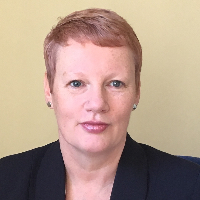














Prisca Coull
BACP
United Kingdom - 6 yrs exp








How control issues therapy works for United Kingdom residents
If you are exploring help for control issues in the United Kingdom, therapy typically begins with an initial assessment to clarify what you want to change and what patterns keep repeating. That assessment may cover how control shows up in relationships, work, or family life, and what emotional needs or fears may lie beneath those behaviors. From there, you and your therapist will agree goals and practical steps to work toward them. Many therapists use evidence-informed methods that help you recognise triggers, practise new responses, and build alternatives that feel more manageable and less draining.
Therapy in the UK is delivered in a variety of settings. You can meet with clinicians in a counselling room in cities such as London, Manchester, or Birmingham, or choose remote sessions if that fits your schedule better. Public services, community clinics, and independent practitioners each offer different formats and timeframes, so you can find an option that aligns with your needs and resources.
Finding specialized help for control issues in the United Kingdom
When searching for a therapist who understands control issues, look for professionals who note experience with relational patterns, anxiety-related control, or behaviour change. Many clinicians will describe their theoretical orientation and the kinds of difficulties they work with. You can narrow your search by location if in-person work is important, or by the specialist approaches listed in profiles if you prefer a particular method such as cognitive-behavioural techniques, schema-informed work, or relational therapy. If you live in a larger city, it can be easier to find a broader range of specialisms. For example, London and Manchester often have practitioners who combine trauma-informed perspectives with practical skills training. In other areas, individual clinicians may offer longer appointment times or flexible formats to accommodate varied needs.
It is also useful to consider accessibility features such as evening appointments or languages spoken. Some therapists in the United Kingdom advertise experience working with specific cultural or family contexts, which can be especially relevant if your control patterns are bound up with cultural expectations or caregiving roles. Reading profile summaries and introductory statements can help you identify clinicians whose emphasis resonates with your concerns before you contact them.
What to expect from online therapy for control issues
Online therapy has become a common way to address control issues across the United Kingdom. If you choose remote sessions, expect many of the same therapeutic tasks as in-person work - assessment, goal-setting, skills practice, and reflection - with adjustments for the video or phone format. Remote sessions can make it easier to fit therapy into a busy week, to access clinicians who are not local to you, or to continue therapy if you move between cities such as Birmingham and Edinburgh.
Therapists will typically discuss practical arrangements at the start of online work - session length, frequency, and what to do if a session is interrupted. You should also talk about how to handle emotional moments between appointments, for example by agreeing on coping strategies you can use at home. Online therapy can be particularly helpful when the work involves practicing new ways of relating in your everyday environment since you remain in familiar surroundings while trying out different approaches.
Common signs you might benefit from therapy for control issues
You might consider seeking help if you notice that attempts to control situations or people cause tension or leave you feeling exhausted. This can show up as repeated conflict with partners, family members, or colleagues; difficulty delegating or trusting others with tasks; or an intense need for predictability that leads to anxiety when plans change. Control issues sometimes come with perfectionism, rigid routines, or avoidance of situations where outcomes feel uncertain.
Other signs include difficulty relaxing or enjoying downtime because you feel the need to oversee everything, or frequent regrets about how you reacted in important moments. If attempts to control are driven by fear - fear of abandonment, failure, or loss of status - therapy can help you explore those fears while developing different ways to cope. You may also notice that people close to you withdraw or become resentful, which can be a useful signal that change could improve your relationships and your wellbeing.
Tips for choosing the right therapist for control issues in the United Kingdom
Start by clarifying what you hope to change and what matters most to you in therapy. Are you seeking tools to manage anxiety and perfectionism, or do you want to explore deeper relational patterns that feed control? Knowing this will help you evaluate therapist profiles and introductory notes. When you contact a clinician, ask about their experience with control-related issues and the methods they use. Many therapists will offer a brief initial conversation so you can assess rapport and practical fit.
Consider logistics alongside clinical style. If you live in a busy urban area like London, you may have many options for face-to-face work and might prioritise therapeutic orientation. If you are in a smaller town, you might value flexibility in scheduling or the option to work online with a specialist based elsewhere. Also think about continuity - is it important for you to see the same person consistently, or are you open to different formats such as group workshops or short-term skills work?
Trust your sense of safety and personal fit. You do not need to commit long term at first; many people try a few sessions to get a feel for the approach and the connection. If something does not feel right, it is acceptable to explore other profiles until you find an approach and therapist who help you move toward the changes you want.
Practical next steps
Begin by browsing profiles on this page to compare specialties, fees, and appointment options. When you reach out, mention the specific control patterns you want to address and ask about the therapist's experience with similar concerns. Arrange an initial conversation to check practical details such as appointment times and whether they offer online sessions. Taking that first step can help you move from feeling stuck to having a clearer plan for change, whether you live in Glasgow, Manchester, Birmingham, or elsewhere across the United Kingdom.
Therapy for control issues is often a process of gradual change - learning to notice patterns, testing small alternatives, and building trust in yourself and others. With the right match between you and a clinician, you can develop strategies that reduce strain while strengthening relationships and daily functioning. Use the listings on this page to start that search and connect with a practitioner who can guide you through the next steps.