Find a Coping with Life Changes Therapist in United Kingdom
This page features therapists in the United Kingdom who specialise in coping with life changes, from relationship transitions to career shifts and bereavement. Browse the listings below to compare approaches, availability, and locations across cities such as London, Manchester and Birmingham.



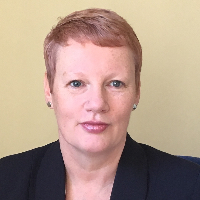
















Prisca Coull
BACP
United Kingdom - 6 yrs exp




How coping with life changes therapy works for United Kingdom residents
If you are facing a major transition - a separation, a move, retirement, becoming a parent, or the loss of someone close - therapy can offer structured support while you work through practical adjustments and emotional responses. In the United Kingdom many practitioners draw on a blend of talking therapies and skills-based approaches to help you understand your reaction to change and to build strategies for adjustment. Sessions typically begin with an initial assessment to map out what matters most to you, then progress to agreed goals and techniques suited to your situation. Therapy can be short-term, focused on immediate coping strategies, or open-ended if you want a deeper exploration of how past patterns influence your response to new circumstances.
Approaches you may encounter
Common methods used for coping with life changes include cognitive-behavioural approaches that help you identify and shift unhelpful thinking, acceptance and commitment strategies that focus on values and action, and narrative or integrative work that explores how you make meaning from transition. Therapists in the UK often tailor these approaches to fit cultural context and practical realities - for example, how family networks, workplace norms, or regional resources in places such as Glasgow or Edinburgh shape your options.
Finding specialised help for coping with life changes in the United Kingdom
When searching for a therapist, consider both professional credentials and relevant experience. Many people look for practitioners who explicitly list life changes, transitions, loss, or adjustment as a specialty. In larger cities like London and Manchester you will find a wide range of clinicians with varied backgrounds, while smaller towns may offer practitioners who combine general counselling with a focus on transitions. Professional association membership and accredited training can indicate recognised standards of practice, and many therapists provide a short introductory call to help you assess fit before booking a full session.
Local options and practical considerations
Location matters if you prefer face-to-face meetings. London offers a dense network of clinics and community services, making it easier to find niche specialisms and evening appointments. Birmingham and Manchester each have strong local services and a mix of comfortable and community-based support. If travel or mobility is a concern, online therapy expands your options and can connect you with therapists who specialise in particular transitions even if they are based in another region of the United Kingdom.
What to expect from online therapy for coping with life changes
Online therapy is now widely used across the United Kingdom and can be particularly well suited to coping with life changes because it offers scheduling flexibility and access to specialists who may not be available locally. A typical online session will be scheduled much like an in-person appointment, with a clear start and end time and a structure that mirrors face-to-face work. Therapists may use video calls, phone sessions, or a mix of written exchanges and live conversation depending on what you prefer.
Practicalities of remote work
Before starting, confirm how appointments are conducted, how payments are processed, and what to expect if a session needs to be rescheduled. It is helpful to choose a quiet, comfortable environment for sessions where interruptions are minimised. If you are balancing work and family commitments, online sessions can reduce travel time and make regular attendance more manageable. Many therapists will also offer resources between sessions - worksheets, recordings, or guided exercises - to help you practise coping strategies in everyday life.
Common signs that someone in the United Kingdom might benefit from coping with life changes therapy
You might consider seeking help if transitions are causing persistent stress that affects daily functioning. Signs include trouble sleeping or eating, difficulty concentrating at work, heightened irritability with family or colleagues, withdrawing from social contacts, or feeling overwhelmed by decision-making. Emotional responses such as prolonged sadness after a loss, chronic worry about an uncertain future, or a sense that you cannot move forward despite trying may also indicate that professional support would be valuable. In the UK context, the cumulative pressure of employment changes, housing shifts, or the logistics of family care can intensify these reactions, making timely support beneficial.
When to reach out
If you find that coping strategies that once worked are no longer effective or if everyday tasks feel unusually burdensome, contacting a therapist can provide immediate relief and new ways of framing the change. You do not need to wait until a crisis point - early intervention can reduce the time it takes to adapt and helps prevent stress from becoming more entrenched.
Tips for choosing the right therapist for this specialty in the United Kingdom
Choosing a therapist is a personal process and the right fit often depends on style, experience, and practical logistics. Start by reflecting on what matters most to you - whether you need short-term practical tools or a longer process of meaning-making. Next, look at therapist profiles to check their training, stated approach, and experience with situations similar to yours. Many therapists outline the types of transitions they work with, such as relocation, bereavement, career change, or relationship breakdown, so prioritise those whose experience aligns with your needs.
Questions to ask during an introductory conversation
When you make an initial enquiry, consider asking how the therapist structures work with clients experiencing life changes, what outcomes they typically aim for, and how they measure progress. It is reasonable to ask about session length, fees, cancellation policies, and whether they offer evening or weekend appointments if you work a standard schedule. If cultural or identity factors are important to you, enquire about the therapist's experience working with people from similar backgrounds or life circumstances. If you live in or near a major city like London, Manchester, or Birmingham you can also ask about the option to meet in person versus continuing online, to find the format that best supports your process.
Moving forward with confidence
Deciding to seek therapy for coping with life changes is a practical step toward regaining a sense of control and clarity. Whether you are juggling multiple responsibilities in a city environment, adapting to a new family role, or navigating loss, a therapist can help you develop personalised strategies and perspectives. Use the listings on this site to compare profiles, read therapist statements about their approach, and take advantage of introductory conversations to assess whether the practitioner feels like the right match. With the right support, many people discover new resilience and a clearer path forward through change.
In the United Kingdom there is a broad range of practitioners and formats to suit different preferences and schedules. Taking the first step to connect with a therapist can open new ways of coping and help you make decisions that reflect your values and goals during transition. If you are unsure where to begin, start by searching for a therapist who highlights experience with the specific type of change you are facing and arrange an introductory session to explore whether their approach fits your needs.