Find an Eating Disorders Therapist in United Kingdom
This page lists clinicians who specialise in eating disorders across the United Kingdom, including options for in-person and online support. Browse the listings below to compare qualifications, therapeutic approaches, locations, and appointment availability.

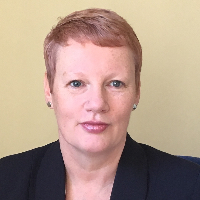






Prisca Coull
BACP
United Kingdom - 6 yrs exp















How eating disorders therapy works for residents of the United Kingdom
If you are considering help for an eating problem, therapy in the United Kingdom typically blends psychological treatment with practical health monitoring. Many people start by speaking with a general practitioner who can assess physical needs and advise on local NHS options. Specialist eating disorder services within the public system often work as multidisciplinary teams including therapists, dietitians, and medical staff, while independent clinicians offer additional pathways for assessment and treatment when faster access or a particular therapeutic approach is sought.
Therapy usually begins with a comprehensive assessment. That assessment explores your eating patterns, thoughts and feelings about food and body, daily functioning, and any coexisting mental health challenges. From there a collaborative plan is developed that sets goals and describes the types of interventions that might be used. Treatment is rarely one-size-fits-all - therapists adapt methods to your age, stage of recovery, and personal priorities, and they coordinate with medical professionals when physical monitoring or medication review is needed. Waiting times and service models vary between regions, so many people look for a mix of local NHS support and independent clinicians to meet their needs.
Typical course of treatment
You can expect a course of therapy to include regular sessions, often weekly to begin with, supplemented by periodic reviews of progress. Some approaches focus on cognitive strategies to reduce unhelpful patterns of thinking, while others emphasise behavioural change, skills training, or family involvement when adolescents are being treated. Nutritional guidance is commonly integrated, and close communication with a GP or hospital team helps ensure that physical aspects such as weight, blood pressure, and blood tests are monitored appropriately. Over time the frequency of sessions is adjusted as stability and coping skills improve.
Finding specialised help for eating disorders in the United Kingdom
Where you live can shape the options available. In metropolitan areas such as London, Manchester, and Birmingham you will often find a wider range of specialists, multidisciplinary clinics, and charities with dedicated services for eating disorders. Regional centres and university clinics may also offer specialist assessment and evidence-informed treatments. If you are outside a major city, local community mental health teams and adult or child and adolescent services provide routes into care, and many clinicians provide remote appointments to bridge geographic gaps.
When searching for a therapist who specialises in eating disorders, look for clinicians who explicitly state relevant training and experience. Many will note post-graduate qualifications, additional certificates in eating disorder-specific therapies, or membership in recognised professional bodies for mental health and dietetic practice. Descriptions of the populations they work with - for example, adults, adolescents, or families - and the approaches they use can help you match a clinician to your needs. If you have ongoing medical concerns, seek practitioners who routinely liaise with physicians and dietitians.
What to expect from online therapy for eating disorders
Online therapy has become a common and effective way to access eating disorder support in the UK, especially if local services have long waits or travel is difficult. Through video or phone sessions you can work with a clinician in another city while keeping in-person monitoring with a local GP. Initial sessions typically mirror face-to-face assessments, covering history, current behaviours, risk factors, and immediate needs. Therapists will explain personal nature of sessions limits and emergency procedures at the start so you understand how risks are managed during remote work.
Online therapy can feel more flexible - sessions are often easier to schedule and may reduce the stress of travel. Many clinicians use screen sharing for worksheets and provide follow-up materials by email to support between-session practice. There are circumstances when in-person assessment or regular physical checks are needed, so therapists will advise if a blended approach is recommended. For people in smaller towns or regions with fewer specialists, remote work can connect you with clinicians in larger centres such as London or Manchester who have focused experience with eating disorders.
Common signs that someone in the United Kingdom might benefit from eating disorders therapy
If you are wondering whether therapy could help, certain patterns commonly prompt people to seek support. Persistent preoccupation with food, calories, or body shape that affects daily life is a frequent indicator. Changes in eating behaviours - such as restrictive intake, episodes of overeating followed by compensatory behaviours, or rigid rituals around meals - often signal that professional input would be useful. Social withdrawal, avoidance of shared meals, mood fluctuations, and increasing anxiety about food or weight can also be important signs.
Physical symptoms such as noticeable weight change, persistent low energy, or interruptions to normal bodily functions sometimes accompany psychological signs and are reasons to speak to a GP promptly. If eating habits are causing interference with work, studies, relationships, or general wellbeing, seeking an assessment from a clinician who specialises in eating disorders is a practical next step. You do not need to reach a crisis point before asking for help - early support can prevent problems from becoming entrenched.
Tips for choosing the right therapist for eating disorders in the United Kingdom
Choosing a therapist is a personal decision and finding the right match can affect how comfortable and engaged you feel in the work. Start by identifying therapists who list eating disorder expertise and relevant training. Read profiles to understand their therapeutic approach - for example, whether they use cognitive-behavioural methods adapted for eating problems, family-based treatments for young people, or other evidence-informed modalities. Consider whether you prefer a clinician who works closely with dietitians and medical teams or someone whose focus is primarily psychological therapy.
Practical matters matter too. Look at location and availability - if you live near London, Manchester, or Birmingham you may have more immediate in-person options, while remote practitioners can be helpful if you live further away. Ask about session length, frequency, and fees so you can plan financially and logistically. If language or cultural background matters to you, check whether the clinician offers appointments in your preferred language or has experience working with diverse communities. You can request a brief initial call to get a sense of their style and to discuss how they handle risk management and liaison with a GP or other health professionals.
Questions you might ask before booking
When you contact a prospective therapist, it can help to ask about their experience with eating disorders, the typical structure of sessions, and how they work with medical teams. You may want to know whether they offer family involvement when relevant, whether they provide written resources, and how they support relapse prevention. Clarify practical policies such as cancellation terms, records and notes, and how they handle urgent concerns between sessions. These conversations give you information and also convey how comfortable you feel working with that person.
Finding the right support in the United Kingdom can take time, but you do not have to navigate it alone. Whether you are seeking specialist care in a city centre, looking for an independent clinician, or exploring online therapy, the listings below are a practical starting point. Use them to compare experience, approach, and availability, and reach out to schedule an initial conversation that fits your needs.