Find an Isolation / Loneliness Therapist in United Kingdom
This page lists therapists who specialize in isolation and loneliness across the United Kingdom. Browse the profiles below to compare approaches, locations, and availability.

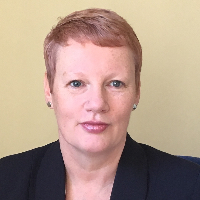
















Prisca Coull
BACP
United Kingdom - 6 yrs exp






How isolation and loneliness therapy works for United Kingdom residents
If you are feeling alone or disconnected, therapy can be a place to explore what is keeping you from feeling more connected. In the United Kingdom, therapists work with people in a range of ways depending on their training, approach, and the particular challenges you bring. Most therapy begins with an initial assessment that helps you and the practitioner decide on goals and the best methods to try. That might include short-term work focusing on practical skills to increase social opportunities, or longer-term therapy that looks at patterns of thought, attachment, and relationships that contribute to isolation.
Therapists often draw on evidence-informed approaches that teach communication and coping skills, help you build confidence in social situations, and support you in addressing any co-existing mood or anxiety concerns. Therapy is collaborative - you and the therapist work together to set realistic steps for change, track progress, and adapt the plan as you learn what helps.
Finding specialized help for isolation and loneliness in the United Kingdom
There are several routes to finding a therapist who focuses on isolation and loneliness. You can search by location to find in-person options in cities such as London, Manchester, Birmingham, Edinburgh, and Glasgow. Many therapists list their professional registrations and areas of expertise on directory profiles, so you can look for clinicians who mention loneliness, social withdrawal, or relationship-building as specialisms. If you prefer working with someone tied to a particular professional body, you can check membership with recognised UK organisations which often indicate specific training and ethical standards.
For people who need flexible scheduling or live outside major urban centres, online therapy expands your choices. Online work can connect you with therapists experienced in helping people build new social routines and manage feelings of disconnection even when local in-person options are limited. Local charities, community mental health services, and general practitioners may also be able to point you toward therapists or group programs that focus on social connection in your area.
What to expect from online therapy for isolation and loneliness
Online therapy typically involves regular sessions by video call, phone, or messaging. When you begin, the therapist will usually ask about your current social life, daily routines, emotional experience, and what you hope to change. Expect a mix of reflective conversation and practical tasks - for example, experimenting with small social approaches, practising conversation starters, or preparing for anxiety-provoking situations. Some therapists incorporate group-based online sessions that give you a chance to practise skills with others under professional guidance.
Online therapy offers flexibility - you can join sessions from home, from work during a break, or while travelling. This convenience is especially helpful if travel to cities like London or Manchester is difficult. Good therapists will agree on boundaries and working arrangements that support your sense of safety and make it easier to show up consistently. If you are concerned about how online sessions feel, you can discuss steps to make them more comfortable, such as adjusting the session length, choosing an audio-only option, or arranging occasional face-to-face meetings where available.
Common signs that someone in the United Kingdom might benefit from isolation and loneliness therapy
You might consider seeking help if you notice a prolonged sense of disconnection from others, repeated avoidance of social situations, or a shrinking social circle that leaves you feeling lonely more days than not. Difficulty starting or maintaining friendships, frequent feelings of being misunderstood, or feeling stuck in patterns that lead to withdrawal are also common reasons people look for support. Sometimes loneliness appears alongside low mood, heightened anxiety, or physical symptoms like tiredness and difficulties sleeping. If these experiences interfere with your work, relationships, or daily routines, talking with a therapist can help you make changes that improve your social and emotional life.
Loneliness can feel different depending on life stage and circumstances - for example, you may be adjusting after a move to a new city, navigating changes after separation, coping with the loss of people you relied on, or managing life with a disability that limits social access. The right therapist will listen to the context of your life in the United Kingdom and tailor support to the practical and cultural realities you face.
Tips for choosing the right therapist for this specialty in the United Kingdom
Start by considering the practical factors that matter to you - location if you want in-person sessions, availability that fits your schedule, and whether you prefer evening or daytime appointments. If you live in or near major urban centres like London, Manchester, or Birmingham you will likely find a wider range of in-person options, while people in smaller towns may benefit from online therapists who work across regions. Next, look at the therapist's experience with loneliness and social isolation. Profiles that describe working with social anxiety, bereavement, life transitions, or relationship difficulties often indicate useful experience for loneliness work.
Pay attention to the therapist's stated approach and ask about it during a first call. It is reasonable to ask how they measure progress, what a typical session looks like, and what practical strategies they use to help people build social connection. You should also consider cultural fit - a therapist who understands your background, language, or community context can often provide more relevant suggestions for building connection. If cost is a concern, check whether the practitioner offers sliding scale fees or shorter session options, and whether there are community groups or NHS services that could supplement one-to-one therapy.
Questions to ask before you book
Before committing to ongoing work, you may want to ask whether the therapist has experience with people in similar situations to yours, how they approach building social confidence, and what they recommend between sessions. It can help to enquire about session length and frequency, cancellation policies, and whether they offer occasional phone or text check-ins. These practical details shape whether the therapy relationship will fit into your life and support steady progress.
Making the most of therapy and local resources
Therapy for loneliness often includes practical steps you can try between sessions. These might be small experiments in reaching out to others, planned activities that put you in social settings, or exercises to change unhelpful thoughts about rejection. Combining therapy with local opportunities for connection can be particularly effective. In larger cities like London, Manchester, and Birmingham you may find a wide range of clubs, volunteering roles, and community courses. In places such as Edinburgh and Glasgow there are also cultural and community networks that can offer chances to meet people with shared interests.
Remember that change usually happens gradually. You and your therapist will celebrate small successes and adapt strategies when something does not work. Over time, practising new ways of connecting and managing uncomfortable feelings can widen your social world and reduce the intensity of loneliness.
Next steps
Use the listings above to compare therapists by approach, location, and availability. Reach out for an initial conversation to see how a therapist communicates and whether their style fits your needs. Whether you choose in-person sessions in a nearby city or online appointments that fit your schedule, taking the first step to connect with a therapist can open new possibilities for building relationships and easing the experience of loneliness in the United Kingdom.