Find a Mood Disorders Therapist in United Kingdom
This page lists Mood Disorders therapists practicing in the United Kingdom, including clinicians offering in-person and online sessions. Browse the listings below to compare specialties, locations, and appointment options.


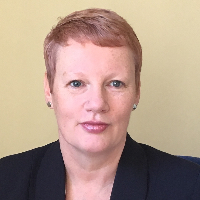






Prisca Coull
BACP
United Kingdom - 6 yrs exp















How mood disorders therapy works for people in the United Kingdom
If you are seeking help for a mood disorder you will typically begin with an initial assessment that explores your current symptoms, personal history, and what you hope to gain from therapy. That assessment informs a treatment plan that may combine talking therapies, lifestyle recommendations, and liaison with your GP or a psychiatrist if medication or further medical assessment is needed. Therapists who work with mood disorders will usually measure progress against goals so you and the clinician can see how interventions are helping over time.
Therapy is delivered in different settings across the United Kingdom. You can access support through NHS pathways, through third sector organizations, or by arranging sessions with private practitioners. Each route has different timelines and options, and many people combine services - for example, seeing a therapist privately while remaining under the care of a GP for medication reviews.
Assessment and treatment planning
The first visits often focus on making a clear assessment of mood, daily functioning, and any safety concerns. You and your therapist will set short and longer term goals, decide on the type of therapy that best fits your needs, and agree how often to meet. Ongoing review is common so that plans can be adjusted if your life circumstances or symptoms change.
Therapeutic approaches you may encounter
Therapists use a range of approaches when supporting people with mood disorders. Cognitive behavioural therapy helps you identify and change unhelpful thinking and behaviour patterns. Behavioural activation focuses on increasing engagement in meaningful activities when low mood makes action difficult. Interpersonal therapy addresses relationship patterns and significant life changes that affect mood. Some therapists offer psychodynamic work that explores longer standing patterns, while others use mindfulness-based approaches to help you manage stress and mood shifts. Group programs and family-inclusive approaches are also available in some services.
Finding specialized help for mood disorders in the United Kingdom
When looking for specialised support you will want to consider qualifications, experience with mood disorders, and practical arrangements like session times and fees. Professional registrations such as BACP, UKCP, and HCPC are common indicators of training and ongoing professional standards. Many clinicians list their specialisms on directories and personal websites, which can help you identify therapists experienced in depression, bipolar spectrum conditions, seasonal mood changes, or persistent low mood following life events.
Where you live will influence the services available to you. Major urban centres such as London, Manchester, and Birmingham tend to have a wide range of therapists and specialist clinics, including university services and charity-run programs. In more rural areas you may find fewer in-person options but good access to online therapy. It is also common for people to begin with an NHS pathway such as local mental health services or psychological therapies offered through primary care and then move to additional private or third sector support if wait times or specific needs require it.
Working with the NHS and private practitioners
The NHS offers a range of services for mood disorders from primary care advice to structured psychological treatment. If you need faster access to a particular therapy or a clinician with a specific specialism you can consider private therapy. Private work gives you more choice over timetable and therapist style. Some people find a combined approach works best - maintaining a relationship with their GP for medical management while receiving focused therapeutic support from a counsellor or psychotherapist.
What to expect from online therapy for mood disorders
Online therapy has become a regular option for people across the United Kingdom. If you choose remote sessions you will typically meet by video or phone at agreed times. Session length is usually similar to in-person work and the therapeutic relationship and interventions remain central to the process. Online therapy can make it easier to access specialists who practise in other cities, for example a clinician based in London who can meet with you if you live in Manchester or Birmingham.
Before starting online work you should check how your therapist handles appointment logistics, fees, cancellations, and how they protect your personal information under UK data protection rules. Make sure you have a quiet, comfortable environment for sessions and discuss what to do in case of technical problems. Many therapists provide resources between sessions, such as worksheets or recommended reading, to help you practise skills and track mood changes between meetings.
Common signs that you might benefit from mood disorders therapy
You might consider reaching out to a therapist if you notice a persistent change in mood that affects your day-to-day life. This can include ongoing low mood or sadness, loss of interest or pleasure in activities you once enjoyed, large shifts in energy or sleep, and trouble concentrating. Mood changes can also present as periods of elevated or irritable mood with increased activity and risk-taking. Changes in appetite, withdrawal from social contact, or increased thoughts about harming yourself are serious signs and you should contact your GP or a local crisis service right away if you are worried about safety.
It is important to remember that mood changes can be influenced by life events, health conditions, substance use, and stress. A therapist can help you explore possible causes and offer strategies to manage symptoms and improve daily functioning. Early support can make a difference in how quickly you regain a sense of balance and purpose.
Tips for choosing the right therapist for mood disorders in the United Kingdom
Start by identifying what matters most to you in therapy - whether that is a particular therapeutic approach, experience with a specific mood condition, session flexibility, or cultural and language compatibility. Read therapist profiles to learn about their training and specialisms. Ask about their experience treating mood disorders, what outcomes they typically work toward, and how they monitor progress. You may wish to enquire about supervision and ongoing professional development to understand how clinicians stay current in their practice.
Practical matters are important too. Confirm whether a therapist works in-person in locations such as London or Birmingham or offers online appointments that fit your schedule. Discuss cost and cancellation policies so there are no surprises. If you are working with medication, check whether the therapist is comfortable liaising with your GP or psychiatrist and how they handle coordination of care.
Trust how you feel during an initial consultation. A good therapeutic fit often depends on the relationship as much as on technique. If after a few sessions you feel the approach is not helping, it is reasonable to discuss adjustments or seek a therapist with a different style.
Next steps
Finding support for mood disorders can feel challenging but there are many routes to help across the United Kingdom. Use listings to compare profiles, read about therapeutic approaches, and contact therapists to ask about suitability for your needs. Whether you live in a large city or a smaller community, you can find clinicians who offer the right mix of expertise and practical arrangements to support your wellbeing. If you are in immediate distress contact your GP or local crisis services for urgent help.