Find a Relationship Therapist in United Kingdom
This page lists relationship therapists practicing across the United Kingdom, with detailed profiles, specialisms and location information to guide your search. Browse the listings below to compare practitioners who offer couple and relationship support in your area or by online appointment.

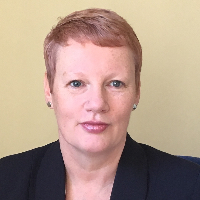
















Prisca Coull
BACP
United Kingdom - 6 yrs exp





How relationship therapy works for United Kingdom residents
If you are considering relationship therapy in the United Kingdom, it helps to know the basic approach most professionals take. Relationship therapy is focused on patterns of interaction between partners, communication habits, and the ways unmet needs or past experiences affect current dynamics. When you begin, a therapist will usually want to understand the history of your relationship, the issues that brought you to therapy, and your goals for change. Sessions can involve joint work with both partners, one-to-one sessions, or a mix of both depending on your circumstances and what you find most useful.
Therapists in the UK draw on a range of evidence-informed methods, and they adapt those methods to the cultural and legal context of the country. The first few sessions are often assessment-focused and aimed at building a therapeutic alliance - a practical working relationship - so that you feel the process is relevant and respectful of your background. From there, the therapist will offer tools and exercises to practice between sessions and help you translate insights into everyday behavior.
Finding specialized relationship help in the United Kingdom
When you look for a specialist, think about the issues you want to address and the experience that will best support you. Some therapists focus on communication skills and conflict resolution, while others specialize in areas such as infidelity recovery, blended family challenges, or LGBTQ+ relationship concerns. You will also find clinicians who work with specific life stages, for example, new parents dealing with changing roles or couples navigating retirement transitions. Location can matter if you prefer face-to-face sessions; many people search by city to find someone who knows local resources and community norms. If you live in London, Manchester or Birmingham you will typically find a wide range of specialisms and a diversity of approaches, but even outside major cities you can access expert help through remote appointments.
Credentials and professional registrations
In the UK it is reasonable to look for therapists who hold recognized qualifications and belong to reputable professional bodies. These affiliations indicate that a practitioner adheres to professional standards and ongoing training expectations. You can check a therapist's profile for their training, years of practice, and areas of special interest. Many therapists also list further professional development in couple work or accredited courses in relationship approaches, which can be useful when choosing someone for more complex matters.
What to expect from online relationship therapy
Online therapy has become a common and effective option for relationship work, especially for people who need flexibility or who live outside metropolitan areas. If you choose remote sessions, you can expect most of the same elements as in-person work - assessment, goal setting, skill-building and feedback - delivered through video, phone or messaging. Online therapy can remove travel barriers and allow partners in different locations to attend from their own spaces. It also makes it easier to fit sessions around work and family commitments.
To get the most from online sessions, prepare a quiet, comfortable environment where you can speak without distraction. Discuss technological needs with the therapist before you start so that you understand how sessions will run, how personal information is handled, and what to do if connection problems arise. Many therapists adapt interventions so that practical exercises and communication practices can be done in your home between appointments, which helps translate session insights into everyday life.
Common signs you might benefit from relationship therapy
You might consider relationship therapy if you notice persistent patterns that reduce connection or cause ongoing stress. Typical signs include repeated arguments about the same issues, a breakdown in communication where you find it difficult to share feelings or be heard, or a growing emotional distance where affection and support feel limited. Other indicators are when trust has been damaged and both partners want help to rebuild it, when external stressors like financial strain or parenting responsibilities are creating tension you cannot resolve alone, or when changes in intimacy are causing worry.
Some people seek therapy when a life event - such as relocation, job change, or bereavement - triggers new challenges in the relationship and they want practical guidance. You may also consider therapy if you notice negative coping behaviors such as avoidance, repeated criticism, or withdrawal, and you want tools to interrupt those patterns. Seeking support early can often prevent issues from becoming more entrenched and help you find clearer ways to relate.
Tips for choosing the right relationship therapist in the United Kingdom
Choosing a therapist is a personal decision and there are several practical considerations to guide you. Start by clarifying your goals and the kind of change you hope to achieve, and use those goals to filter profiles. Read practitioner biographies to learn about their approach, training and areas of focus. Many therapists include information about what a typical first session looks like, which can help you know what to expect. If you prefer in-person sessions, search for clinicians in your city - London, Manchester and Birmingham often have many options, but you can also find experienced practitioners serving smaller towns and regional communities.
Consider logistical factors such as appointment times, fees and whether the therapist offers online sessions in addition to face-to-face work. It is reasonable to ask potential therapists about their experience with the specific issues you face, and whether they work with couples from diverse backgrounds and relationship structures. Trust your sense of fit - the therapeutic relationship itself is central to progress, so you should feel able to communicate openly and to be challenged respectfully. Many people try a few sessions to see whether the style and pace suit them, and you can change therapists if you find a different approach would be a better match.
Practical next steps
When you are ready, use the listings on this page to explore detailed profiles, read about specialisms, and check practical details such as locations and availability. If you have questions, reach out to therapists to ask about their approach and whether they think they are a good fit for your needs. Booking an initial consultation is a low-commitment way to see how you feel with a practitioner and to establish whether their methods and communication style work for you. Whether you are in a major city or a smaller community, there are relationship therapists who can meet you where you are and help you develop clearer communication, stronger connection and practical tools for change.