Find a Social Anxiety and Phobia Therapist in United Kingdom
This directory page highlights therapists in the United Kingdom who specialise in social anxiety and phobia, including practitioners in London, Manchester and Birmingham. Browse the listings below to compare approaches, availability and contact professionals who match your needs.










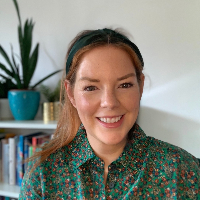





Prisca Coull
BACP
United Kingdom - 6 yrs exp






How social anxiety and phobia therapy works in the United Kingdom
If you are exploring therapy for social anxiety or specific social phobias, it helps to understand the basic structure of treatment in the UK. Therapy commonly begins with an assessment session where you and the clinician look at how anxiety shows up in your life, what situations cause distress and what goals you would like to work toward. From there you and the therapist agree on a plan that may include short-term structured work or longer-term sessions depending on your needs and the approach used.
Your care pathway might be through the NHS, where you can access assessment and treatment with local services, or through private clinicians who operate in independent practice across cities such as London, Manchester and Birmingham. Waiting times and access vary between NHS services and private options, so many people choose a combination - beginning with an NHS referral and supplementing with personal sessions if they need faster access or specific specialist experience.
Finding specialised help for social anxiety and phobia in the UK
When you search for a therapist, look for professionals who list social anxiety, social phobia or performance anxiety as specialisms. In the UK, you can find clinicians with a range of backgrounds - clinical psychologists, counsellors and cognitive behavioural therapists among them. Check whether a therapist is registered with recognised UK professional bodies or regulatory organisations, and look for descriptions of their training and experience working with social anxiety. Profiles often include the therapeutic approaches they favour, such as cognitive behavioural therapy or therapies that emphasise exposure and skills practice, which can be particularly relevant for social fears.
Geography matters if you prefer in-person sessions. Major urban centres like London, Manchester and Birmingham will have larger numbers of specialists and a wider choice of therapy styles. In smaller towns you may still find experienced clinicians, or you may choose online sessions to widen your options. Many people find it useful to review profiles, read therapist statements about how they work and reach out with a short message to ask specific questions before booking.
What to expect from online therapy for social anxiety and phobia
Online therapy is widely available and can be an effective way to access specialist support without travelling. Sessions typically take place via video call or telephone, and some therapists offer messaging or email between sessions for brief check-ins. You should expect an initial assessment to be conducted online in the same way it would be in person, with the therapist asking about symptoms, triggers and your goals for therapy. Therapists will usually discuss practicalities such as session length, frequency and payment before you begin.
Online work can be particularly helpful if you live outside major cities or if attending in person feels overwhelming. It also makes it easier to access clinicians who specialise in social anxiety even if they are based elsewhere in the UK. To get the most out of online sessions, prepare a quiet, comfortable environment and test your internet and camera beforehand. Therapists will explain how they manage notes and protect your information, and you can ask about their approach to online sessions to make sure it feels like a good fit.
Common signs that someone in the UK might benefit from therapy
You might consider seeking help if anxiety about social situations is frequent, intense or prevents you from doing what you want - for example avoiding work presentations, social gatherings or everyday interactions with colleagues. Physical symptoms such as shaking, blushing, nausea or rapid heartbeat in social settings, persistent worry about being judged, or strong urges to escape from social situations are often reported by people who find social situations distressing. If these patterns interfere with your relationships, career or studies, talking with a specialist can help you explore options and learn strategies to manage those reactions.
Social anxiety can show up differently for different people. Some experience a broad fear across many types of interaction while others have specific phobias - for example fear of speaking in public or of eating in front of others. If you notice avoidance of important activities, a reduced quality of life, or growing worry about future social events, therapy may offer tools to reduce avoidance and increase confidence over time.
Practical tips for choosing the right therapist in the UK
Start by identifying practical factors that matter to you - location, availability, fees and whether the clinician offers evening or weekend appointments. If you prefer in-person sessions, searching within your city will highlight local options; if you are comfortable online, you can expand the search to include specialists based in other regions. Read clinician profiles to learn about their therapeutic approach, typical session formats and whether they offer brief focused programmes or longer-term work.
Ask questions before you commit to a first appointment. You might enquire about their experience with social anxiety, what a typical course of therapy involves, and whether they use evidence-based techniques such as cognitive behavioural approaches and graded exposure. It is reasonable to ask about practical policies such as cancellation fees and how sessions are scheduled. If cost is a factor, ask whether they accept referrals from the NHS or offer lower-fee options or brief therapy packages.
When reviewing credentials, look for relevant training and membership of recognised UK professional organisations. Experience working with people from diverse backgrounds and different life stages can also be important. If you are a student or employed in a high-demand role, you may want a therapist familiar with the pressures common to those environments. Many people in London, Manchester and Birmingham find value in therapists who have worked within urban settings and understand local cultural contexts.
Preparing for your first sessions
Before your first appointment, think about specific situations that you find difficult and what you would like to change. Setting clear goals helps you and your therapist measure progress. Be ready to discuss patterns of avoidance and any strategies you have already tried. A good therapist will explain their approach and offer practical tools to practice between sessions, such as graded exposure tasks, thought-challenging exercises and social skills practice. Progress can vary, but having a collaborative plan makes it easier to track what is working and adjust as needed.
Making the choice that feels right for you
Choosing a therapist is a personal decision. You are more likely to benefit from therapy when you feel understood and when the clinician's way of working matches your preferences. Take time to read profiles, ask questions and trust your instincts in the first few sessions. Many people find that a short initial trial of sessions gives a clear sense of whether the therapist is a good fit. Where necessary, you can always try a different clinician until you find one that supports your goals and helps you feel more confident in social situations.
Whether you are searching locally in London, exploring options in Manchester or Birmingham, or preferring online sessions, there are reputable clinicians across the UK offering focused help for social anxiety and phobia. Use the listings above to reach out, compare approaches and take the next step toward managing anxiety and widening the social activities that matter to you.