Find a Solution-Focused Therapy Therapist in United Kingdom
Solution-Focused Therapy is a short-term, goal-oriented approach that helps people identify practical steps toward meaningful change. Find practitioners across the United Kingdom offering this method and browse listings below to connect with a therapist near you.

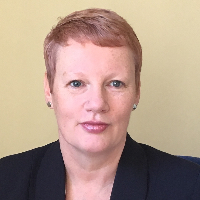








Prisca Coull
BACP
United Kingdom - 6 yrs exp

Nicole Barry
BACP
United Kingdom - 5 yrs exp













What Solution-Focused Therapy Is and the Principles Behind It
Solution-Focused Therapy (SFT) is an approach that emphasizes your strengths and practical strategies over extensive exploration of past problems. Rather than concentrating on the origins of difficulties, the therapy focuses on what you want to achieve, the small changes that can move you in that direction, and the exceptions to the problem that already exist in your life. Therapists trained in this approach use targeted questions, collaborative goal-setting, and short-term planning to help you create workable solutions that fit your daily life.
The core principles of SFT include a belief that change is constant and possible, that you have resources and skills that can be mobilized, and that setting clear, achievable goals helps guide the process. The approach values concrete actions and measurable improvement. In practice, your therapist will pay attention to what is already working and amplify those patterns rather than spending extensive time on analysis of why the problem first appeared.
How Solution-Focused Therapy Is Used by Therapists in the United Kingdom
In the United Kingdom, therapists working in private practice, community services, and some public settings use SFT as a flexible tool to support people with a wide range of concerns. Practitioners adapt the approach to suit cultural expectations and local contexts, whether they are working with adults, young people, couples, or families. Because the method is oriented toward practical outcomes, it is often combined with other therapeutic techniques when needed, creating a tailored plan that reflects your priorities and circumstances.
Therapists in urban centres such as London, Manchester, and Birmingham commonly offer SFT both face-to-face and online, making it accessible if you live in a city or a more rural area. In larger cities you may find practitioners with a variety of specialisms who can weave SFT into work with specific life-stage issues, relationship concerns, or workplace stress. Across the UK, many therapists emphasise cultural sensitivity and work to ensure the goals you set reflect your values and the realities of your everyday life.
What Issues Solution-Focused Therapy Is Commonly Used For
Solution-Focused Therapy is particularly well suited to situations where you want focused, practical change. People often seek SFT for difficulties such as feeling stuck in patterns of low motivation, navigating life transitions, managing stress at work, or improving relationship dynamics. Because the approach concentrates on identifying small steps that lead to larger improvements, it can be useful when you need strategies to move forward quickly and sustain progress.
SFT is also used when you want to enhance coping skills and identify personal strengths. Couples may use the approach to improve communication and create concrete plans for better interactions. Parents sometimes find the model helpful for addressing specific behavioural challenges with children by highlighting successful strategies that already exist within the family. The approach is adaptable and can be applied to many practical concerns where goal-directed work is appropriate.
What a Typical Solution-Focused Therapy Session Looks Like Online
If you choose an online session, you can expect a focused and collaborative structure that makes efficient use of your time. Sessions often begin with your therapist asking about your immediate priorities and what outcome would make the session feel successful. You and the therapist will define a clear, realistic goal and identify any recent moments when the problem was less intense - these exceptions are treated as clues to what already works.
Therapists commonly use scaling questions that invite you to rate progress and consider the next small step. You may be asked to describe what a day would look like if your goal were partly achieved, which helps to create tangible objectives. Homework or small experiments are frequently part of the process - these are practical tasks you can try between sessions to test new behaviours. Online sessions tend to be structured and oriented toward action, so you will leave with clear ideas to practise and reflect on before the next meeting.
Technology and Practicalities
When you attend online sessions, most therapists use video calls and set expectations about personal nature of sessions and how to manage interruptions so your conversations remain focused. You should check with your therapist about session length, how to book, and what to do if technical issues arise. Many practitioners in UK cities like Edinburgh and Glasgow offer flexible scheduling to accommodate different time commitments, and you can often arrange a short introductory call to see whether the format feels right for you.
Who Is a Good Candidate for Solution-Focused Therapy
SFT works well for people who want practical, short-term support and are ready to take action toward specific goals. If you prefer a forward-looking, strengths-based approach and like the idea of experimenting with small changes, you may find this method particularly helpful. It can be a good fit when you have a clear area of concern you want to address, such as improving relationships, coping with workplace stress, or managing life transitions.
The approach may be less suited to situations that require intensive trauma processing or long-term symptom management where deeper exploration is needed. However, many therapists use SFT components alongside other approaches to create a balanced plan that meets your needs. It helps to discuss your expectations with a therapist so you both understand how the approach can support your aims and when other forms of help might be beneficial.
How to Find the Right Solution-Focused Therapy Therapist in the United Kingdom
Finding a suitable therapist involves considering style, experience, and practical fit. Start by clarifying what you want to achieve and the qualities that matter to you - whether that is a therapist who focuses on action plans, someone who understands cultural or workplace contexts, or a practitioner who offers evening sessions. In larger centres such as London, Manchester, and Birmingham you will have more options, so take time to read therapist profiles and look for mention of solution-focused training or relevant experience with the issues you want to address.
Contacting a few therapists for a short initial conversation can help you gauge rapport and how they apply the solution-focused approach in practice. Ask about typical session structure, frequency, and how progress is reviewed. Practical considerations such as fees, session length, and cancellation policies are important and should be discussed upfront. If you prefer online work, confirm the platform and any preparatory steps so you feel comfortable when your sessions begin.
Local Considerations and Accessibility
Where you live can influence accessibility and options. In metropolitan areas you may find a wide range of specialisms and flexible availability. If you are outside major cities, online sessions broaden access to skilled practitioners across the UK. Many therapists also offer evening or weekend appointments to fit around work and family commitments. When selecting a therapist, consider whether you want someone who has experience with the local context or someone whose background better matches your personal needs.
Taking the Next Step
Solution-Focused Therapy offers a practical pathway if you are ready to set clear goals and try focused strategies for change. Use the listings above to explore profiles, read about different practitioners, and reach out for a short introductory chat. With the right match you can begin a collaborative process that emphasizes your strengths, clarifies your aims, and identifies concrete steps toward the life you want to build.