Find a Male Therapist in Utah
This page lists male therapists who work with clients across Utah, from urban centers to smaller communities. Browse profiles below to compare specialties, approaches, and appointment options in your area and begin reaching out to providers that match your needs.






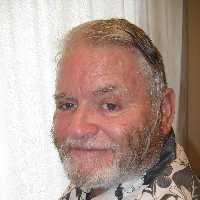
Xou Yang
LMHC, LCMHC
Utah - 8 yrs exp

















How therapy with a male therapist works for Utah residents
Meeting with a male therapist in Utah follows many of the same steps you would expect anywhere else, but local context and logistics can shape how care is arranged. You typically begin with an intake conversation to describe what brings you to therapy and to agree on goals. From there, the therapist will propose an approach based on their training and your preferences. Sessions may focus on building coping skills, exploring emotions and patterns, or working toward practical changes in relationships, work, or daily routines.
In Utah, you will find a mix of therapists who offer in-office appointments and those who provide remote sessions. Urban areas like Salt Lake City and Provo tend to have more in-person options, while teletherapy expands access for people living in more remote parts of the state. Regardless of setting, a good therapist will clarify scheduling, fees, and how to reach them between sessions when necessary.
Finding specialized help for male-focused concerns in Utah
If you are specifically seeking a male therapist because you feel more comfortable talking with a man, or because you are looking for a clinician with expertise in issues that commonly affect men, it helps to look at profiles closely. Many therapists list areas of special interest such as relationship work, anger management, parenting, trauma, life transitions, or work-related stress. You can also look for clinicians who emphasize culturally informed care that considers how local community norms, faith backgrounds, and family expectations may influence your experience.
When searching in cities like West Valley City, Ogden, or St. George, pay attention to whether a therapist mentions experience with populations similar to yours, such as young adults, fathers, veterans, or men's groups. Experience with particular therapeutic methods - for example cognitive-behavioral strategies, emotion-focused work, or solution-oriented approaches - can be important when you want a clear path toward change. Many therapists will note their licensure and training, which helps you verify they meet Utah requirements for practice.
What to expect from online therapy with a male therapist
Online therapy is a common option across Utah, and it can be especially convenient if you live outside Salt Lake City or need flexible scheduling. Remote sessions look much like in-person sessions in terms of structure - you and the therapist agree on goals, meet consistently, and use conversation and therapeutic tasks to make progress. You should expect information about technology requirements, how appointments will be conducted, and what to do in an emergency. Good clinicians will explain how your privacy is protected and how session notes are stored.
One practical advantage of online care is that it allows you to continue with the same therapist even if you move between cities like Provo and St. George, as long as the clinician is licensed to practice in Utah. Online work can also make it easier to fit therapy into a busy day when commuting is difficult. On the other hand, some types of therapy or certain symptoms may be easier to address in person. Discussing these considerations with potential therapists will help you decide which format suits your situation.
Common signs someone in Utah might benefit from male-focused therapy
People seek therapy for many reasons, and noticing when challenges are beginning to interfere with life is an important step. You might consider reaching out if you find that stress or anxiety is making it hard to focus at work, if relationship strains keep recurring, or if mood shifts are more intense or frequent than usual. Difficulty managing anger, trouble sleeping, increased substance use, or a sense of being stuck during a major life transition are also common triggers for seeking support.
In the Utah context, community and family expectations can sometimes intensify pressure around career choices, marriage, raising children, or religious life. If these pressures contribute to persistent unhappiness, isolation, or conflict, a therapist can help you explore options and develop new ways of coping. You do not need to wait until symptoms are overwhelming - early conversations can prevent problems from escalating.
Practical tips for choosing the right male therapist in Utah
Begin by clarifying what you want from therapy. Are you seeking short-term support for a specific issue or longer-term work to change patterns that have built up over years? Knowing this helps you evaluate whether a clinician's approach fits your goals. Read profiles to see if therapists list the issues they commonly work with and the kinds of methods they use. Some therapists will mention experience working with men, fathers, or particular life stages, which can be useful if you want a clinician attuned to male experiences.
Consider logistics such as location, availability, and whether a therapist accepts your insurance or offers a sliding scale. If you live near Salt Lake City or Provo, you will find more in-person choices, but don’t overlook clinicians in smaller cities like Ogden or St. George who may offer convenient online hours. It is reasonable to ask therapists about their training, how they measure progress, and what a typical session looks like. Many therapists offer brief phone or video consultations so you can get a sense of fit before making a commitment.
Cultural competence is another important factor. A therapist who understands regional values and the influences of community or faith can help you navigate issues in ways that feel respectful and practical. If identity factors such as race, sexuality, or veteran status are important to you, look for someone who lists relevant experience or expresses openness to discussing those topics. Trusting your sense of comfort and being able to speak openly are central to making therapy work.
Logistics, payment, and maintaining momentum
Ask about fees, cancellation policies, and whether sessions can be billed to insurance. Many therapists will explain how they handle billing and provide options for those paying out of pocket. If affordability is a concern, inquire about sliding scale options or community resources that can supplement therapy. Once you begin, consistent attendance tends to produce better results, so think about what frequency of sessions will fit into your schedule and how you will protect that time.
Therapy is a collaborative process. You and your therapist will revisit goals over time and adjust the plan as needed. If you do not feel progress after a reasonable period, it is appropriate to discuss this openly or consider a different clinician. Finding a good match sometimes takes a few tries, but when you land with someone whose style and focus align with your needs, therapy can be a useful resource for building skills and making meaningful changes in your life.
Where to begin
Start by searching profiles in your area and noting a few therapists whose descriptions resonate. If you prefer in-person work, focus on listings near Salt Lake City, Provo, or West Valley City. If flexibility matters more, prioritize clinicians who offer online sessions and clear information about how they work remotely. Prepare a short list of questions about approach, experience, and logistics, and schedule a brief consultation to see how you feel in conversation. Taking that first step can open new options for support and growth.
Whether you are dealing with a specific issue or looking to improve your overall well-being, a thoughtfully chosen male therapist in Utah can help you find clearer direction and practical tools. Use the listings above to compare therapists and to contact those who seem like a good fit for the next step in your journey.