Find a Coaching Therapist in Virginia
This page lists Coaching therapists practicing in Virginia who focus on goal setting, performance, and life transitions. Use the directory below to review professional profiles, specialties, and methods available across the state. Browse the listings to find a therapist whose experience and availability match your needs.



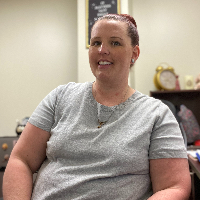
Yasaman Sherbaf
LPC
Virginia - 3 yrs exp




















How coaching therapy typically works for Virginia residents
Coaching therapy blends a collaborative, forward-focused approach with therapeutic skills to help you clarify goals, develop strategies, and create measurable change. In a typical coaching relationship you and your therapist begin by identifying what you want to achieve - whether that is career momentum, smoother transitions, improved work-life balance, or better decision making. Sessions usually move between exploration and practical planning: you will reflect on patterns that affect progress and then translate those insights into specific action steps you can try between meetings.
Many providers offer an initial consultation so you can discuss goals, describe your situation, and get a sense of the therapist's style. From there you can agree on session frequency and a rough time frame for tracking progress. Some people prefer a short, goal-limited engagement for a specific change, while others use coaching as ongoing support for career advancement, leadership development, or sustained habit shifts. If you live in a busy area like Richmond or Arlington, you may find both evening and weekend availability; in smaller communities you may rely more on online sessions for flexibility.
Finding specialized coaching help in Virginia
Coaching covers many specialties. Some therapists focus on executive or leadership coaching and work with clients on communication, team dynamics, and career transitions. Others emphasize career coaching, assisting with job searches, resume and interview strategies, and networking. Life coaching often centers on broader goals like relationships, parenting, and personal growth. There are also niche practices - for example, coaches who work with people navigating grief-related transitions, individuals managing chronic life change, or those seeking support with productivity and attention-related challenges.
When you search in this directory you can look for professionals who describe the specific population or outcomes they support. If you live near Virginia Beach or Norfolk you may find clinicians offering in-person meetings alongside telehealth. In places like Alexandria and Richmond there is often a wider range of specialty offerings, allowing you to match an approach with your priorities. Many coaching therapists combine evidence-informed techniques with customized planning so you can address immediate obstacles while building long-term skills.
What to expect from online coaching therapy
Online coaching has become a common way to access services across Virginia, including residents in rural counties and those with demanding schedules. You can expect sessions to take place by video or phone, with many therapists using a secure scheduling and communication system to coordinate sessions and exchanges. The structure of sessions online is similar to in-person work: check-in on progress, focused discussion on a target area, and agreement on next steps that you will try before the following meeting.
There are practical benefits to online coaching - you save commute time and can often fit appointments into a lunch hour or between other commitments. You should also consider the setting where you plan to take calls. Choose a quiet room with minimal interruptions so you can focus and practice skills without distraction. If you prefer a more traditional in-person dynamic you will find options in city centers such as Richmond and Arlington, while online sessions expand choices beyond geographic limits.
Before you start with a provider, confirm that they are authorized to offer services to residents in Virginia. Therapists must follow state practice rules, and many will note their licensure or professional credentials in their profiles so you can verify that they meet the requirements relevant to the kind of coaching you seek.
Common signs you might benefit from coaching therapy
You might consider coaching therapy if you notice recurring obstacles that affect progress toward things that matter to you. This can show up as a persistent sense of being stuck despite having clear goals, difficulty making decisions about work or relationships, or repeated patterns that undermine your efforts. If transitions feel overwhelming - a new job, relocation to a different city, returning to the workforce, or post-career planning - coaching can help you organize priorities and take concrete steps forward.
Other reasons people seek coaching include chronic procrastination on important tasks, trouble setting boundaries, or feeling unsatisfied despite external success. You might also find coaching useful when you want to shift habits, improve professional performance, or prepare for a major presentation or promotion. Coaching is often chosen when the focus is on action, skill-building, and measurable progress rather than processing deep emotional wounds.
Practical tips for choosing the right coaching therapist in Virginia
Start by clarifying what you want to accomplish and how quickly you hope to see change. Use that clarity to screen profiles for relevant experience and stated outcomes. Look for clinicians who describe specific methods that resonate with you - for example, goal-setting frameworks, cognitive-behavioral strategies, or performance coaching techniques. Consider whether you prefer a coach with a background in counseling, business, education, or a related field depending on your needs.
Pay attention to logistics that matter in your daily life. Confirm availability that fits your schedule, whether the therapist offers evening sessions, and how they handle cancellations or rescheduling. Ask about fees and whether they offer a sliding scale. Insurance coverage for coaching varies and may be different from clinical mental health services, so check your benefits and discuss payment options directly with a provider.
Compatibility matters. Many therapists offer a brief phone or video consultation so you can gauge rapport, communication style, and whether their approach feels motivating and realistic for you. Ask about outcome tracking - how will you and the therapist know when progress has been made? Also inquire about language options and accessibility if you have specific needs. If proximity is important, search for providers located in major centers such as Virginia Beach, Richmond, or Arlington; if convenience is the priority, seek those who regularly provide online sessions across the state.
Preparing for your first sessions
Before your first meeting think about a few concrete goals or the key areas where you want change. Bringing examples of recent situations that were challenging can help you and the therapist design actionable steps. Be prepared to discuss what has worked in the past and what has not. Set expectations about personal nature of sessions, privacy protections, and how you prefer to communicate between sessions. If you are balancing family or work responsibilities, talk about how to structure practice assignments so they fit your life.
Using the directory to find a match
The listings below let you compare profiles, approaches, and availability across Virginia. You can filter or scan for specialties that align with your objectives, and you can use consultations to sense whether a therapist's style will help you stay motivated and accountable. Whether you prefer someone nearby for occasional in-person meetings in Richmond or Alexandria, or you need the flexibility of online sessions while living outside an urban center, the directory helps you narrow options and reach out to start the conversation.
Taking the first step often feels like the hardest part. Reach out to a few therapists, describe what you want to accomplish, and use short consultations to find the best match. With a clear plan and the right fit, coaching therapy can provide structured support as you make meaningful changes in work, relationships, and daily habits.