Find a Communication Problems Therapist in Virginia
This page connects visitors with therapists who focus on communication problems across Virginia. You will find profiles of clinicians who offer in-person and online services, organized by location and specialty. Browse the listings below to compare approaches and schedule a first appointment.






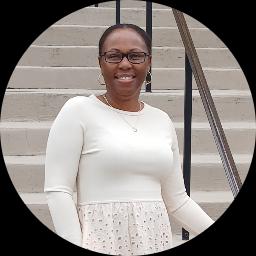
Cheryl H. Williams
LCSW
Virginia - 30 yrs exp










How communication problems therapy works for Virginia residents
If you live in Virginia and are seeking help with communication challenges, therapy usually begins with an assessment to understand the patterns that interfere with your interactions. That assessment can take place in person or online and typically explores the situations where communication breaks down, the relationships involved, and the goals you want to reach. From there, a clinician will recommend a course of work that may include skill-building, role-play, emotional regulation techniques, and homework designed to strengthen real-world conversations. Therapy is collaborative, so you and your therapist refine the plan over time based on what helps and what feels achievable.
Who provides this kind of care
Communication-focused care can come from several types of professionals. Mental health therapists often address interpersonal communication, conflict patterns, and social anxiety that affect how you talk and connect. Speech-language specialists focus more on the mechanics of speaking, articulation, language processing, and social-pragmatic skills. In many cases, clinicians work together or refer to one another so you receive a blended approach when needed. When you search the Virginia listings, you will find therapists who emphasize couples communication, family systems, social skills for teens and adults, and therapists who partner with speech providers for overlapping needs.
Finding specialized help for communication problems in Virginia
Begin by clarifying what kind of communication difficulty you want to address. Are you struggling to express your needs in relationships, managing anger in conversations, having trouble with public speaking, or noticing that a child has delayed language or social communication differences? Narrowing the focus will help you find a therapist who has relevant experience. Use location filters to see clinicians who work near you in communities such as Virginia Beach, Richmond, Arlington, Norfolk, or Alexandria if you prefer face-to-face sessions. If convenience matters more than proximity, many therapists now offer online appointments that expand your choices statewide.
Licensing and credentials to look for
When evaluating providers in Virginia, check credentials and licensing. Therapists with licensed professional counselor, marriage and family therapist, or clinical social worker credentials have training in relationship and communication interventions. Speech-language pathologists bring expertise in language and speech patterns. Reading a clinician’s profile to learn about their training, specialties, and years of experience will give you a clearer idea of their fit with your goals. You can also look for experience with particular populations, such as adolescents, couples, or people with neurodevelopmental differences.
What to expect from online therapy for communication problems
Online therapy can be an effective option for addressing communication issues, especially if you live outside a metropolitan area or have limited travel time. Sessions usually take place by video and allow you to practice skills in real time while the therapist observes and gives feedback. Many clinicians also use recorded role-plays, digital worksheets, and messaging between sessions to reinforce learning. You should expect to discuss technology needs at your first appointment, as a reliable internet connection and a quiet place to talk help make sessions productive. In Virginia, online care often allows you to work with specialists who are based in larger cities like Richmond or Arlington even if you live in a smaller town.
Benefits and practical considerations
One clear benefit of online work is flexibility - you can schedule sessions around work or school and avoid long commutes. If you prefer a therapist who offers both in-person and virtual options, look for clinicians who note hybrid availability. Payment, insurance coverage, and appointment length can vary, so clarify fees, cancellation policies, and whether a clinician accepts your plan before committing. If you are seeking family or couples work, ask whether the therapist conducts joint sessions online and how they handle privacy when multiple people are in different locations.
Common signs that someone in Virginia might benefit from communication problems therapy
You might consider professional support if conversations frequently end in misunderstanding or conflict, if you feel unable to express your needs without avoiding or exploding, or if you notice persistent social anxiety that prevents you from participating in work or community life. Children who struggle to follow directions, have limited back-and-forth conversation, or withdraw from playdates may also benefit from evaluation and intervention. In workplace settings, recurring feedback about interpersonal interactions or difficulty presenting ideas clearly can signal a time to build communication skills. These concerns are normal reasons to seek help - therapy focuses on practical strategies you can use right away.
When everyday patterns become limiting
Sometimes a communication problem feels small until it repeatedly affects your opportunities or relationships. You may find yourself avoiding certain people, rehearsing conversations obsessively, or withdrawing from activities that once felt enjoyable. If these patterns reduce your quality of life or limit your ability to meet goals, a therapist can help you change how you prepare for and engage in important conversations. Therapists teach techniques for managing emotions in the moment, structuring difficult talks, and repairing misunderstandings after they occur.
Tips for choosing the right therapist for this specialty in Virginia
Start by reading profiles carefully to understand a therapist’s approach and populations served. Look for clinicians who specifically mention communication, social skills, couples work, or related methods. Reach out with a short message or phone call to ask about experience with your particular concern, whether they offer in-person sessions in cities like Virginia Beach or Richmond, and how they structure early sessions. An initial consultation is a good opportunity to assess whether you feel comfortable and whether the therapist’s communication style matches yours.
Questions to ask during your first contact
Ask about typical session length and frequency, what kinds of exercises you might do between sessions, and how progress is measured. If you are considering online sessions, inquire about the platform used and what to expect in terms of setup. If cost is a concern, ask about payment options, sliding scale availability, or whether the clinician can recommend resources. Trust your instincts about rapport - effective communication work depends on a collaborative relationship, so a good match in approach and personality matters.
Finding ongoing support in Virginia
Once you begin therapy, consistency and practice are key. You and your therapist will likely set small, measurable goals that build toward stronger day-to-day communication. You may also be connected with community resources or group programs that provide additional practice in a supported environment. If you live near a city like Arlington or Norfolk, look for therapists who offer occasional in-person workshops or group classes that supplement one-on-one work. Whether you choose a clinician close to home or a specialist who works online across the state, the goal is to find a practical path that helps you interact with confidence and clarity in the relationships that matter to you.
Next steps
Take time to compare profiles and reach out to clinicians who match your needs. An initial conversation can clarify how a therapist approaches communication problems and whether their style fits your goals. With the right clinician and a plan that fits your life in Virginia, you can build new habits that improve everyday interactions at home, work, and in your community.