Find a Depression Therapist in Virginia
This page lists therapists who focus on treating depression for people living in Virginia. You will find profiles that describe clinicians' approaches, credentials, and whether they offer in-person or online care.
Browse the listings below to compare options and connect with a therapist who fits your needs and schedule.

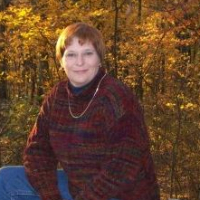













Cheryl H. Williams
LCSW
Virginia - 30 yrs exp









How depression therapy typically works for Virginia residents
When you seek therapy for depression in Virginia, the process usually begins with an initial assessment. During that first session you and the clinician will review your current symptoms, history, and goals. The assessment helps shape a treatment plan that fits your circumstances - some people prefer short-term focused work while others pursue longer term therapy. Many clinicians in urban and suburban areas of the state blend evidence-based approaches such as cognitive behavioral methods, interpersonal work, and behavioral activation to address low mood, loss of interest, and changes in energy and motivation.
Your therapist will work with you to set measurable goals and to choose strategies that make sense for your life. You can expect to discuss what patterns contribute to your difficulties and to practice new skills between sessions. Progress often involves both symptom relief and practical changes in routines, relationships, or thought patterns that support sustained improvement.
Finding specialized help for depression in Virginia
Finding a specialist who focuses on depression can make a big difference in how you experience care. In Virginia you will find clinicians with training in mood disorders, trauma-informed care, and approaches tailored to different age groups. If you live near Virginia Beach, you may have access to clinicians who treat mood concerns in the context of coastal community stressors and family needs. In Richmond, there tend to be practitioners with a wide range of training including academic and community clinic backgrounds. Arlington and adjacent Northern Virginia communities often offer clinicians who work with career-related stress and high-paced lifestyles. Look for therapists who explicitly list depression or mood disorders as part of their specialties, and who describe the therapeutic modalities they use so you can match the approach to your preferences.
Considerations for cultural fit and life stage
You will want a clinician who understands the context of your life. This could mean an awareness of regional culture, family expectations, work pressures, or the transitions you are facing. Some therapists specialize in working with adolescents, older adults, new parents, or people navigating medical conditions. Consider whether you want someone who brings a particular cultural perspective or who has experience with the specific stresses you face in your community. A good fit often means you feel heard and understood early in the therapeutic relationship.
What to expect from online therapy for depression
Online therapy is widely available across Virginia and can expand your options beyond what is nearby. If you choose remote care, expect many clinicians to offer video sessions and sometimes messaging between appointments. Online therapy can make scheduling easier and reduce travel time, which is helpful if you live in a rural area or have a busy calendar. During an online session you will typically follow the same structure as an in-person visit - check-in on mood, work on strategies, and set goals for the coming week.
Before your first virtual appointment you will complete intake forms and consent paperwork, and your therapist will outline how they handle emergency situations and after-hours concerns. If you plan to use online sessions from different locations, keep in mind that therapists must be licensed to provide care in the state where you are located at the time of the session, so confirm that your clinician is authorized to work with Virginia residents. Online therapy can also make it possible to access clinicians with specialized training who are located in other parts of the state, which can be particularly valuable if you are seeking a specific evidence-based approach.
Common signs that someone in Virginia might benefit from depression therapy
If you find that periods of sadness are lasting longer than they used to, or that day-to-day activities feel increasingly difficult, therapy may help. You might notice a loss of interest in things you once enjoyed, a steady drop in energy, or trouble concentrating at work or school. Changes in sleep or appetite, withdrawing from friends and family, or feeling unusually irritable can also be signs that talking with a clinician would be beneficial. When these experiences interfere with your relationships or ability to care for yourself, reaching out for support is a reasonable step.
It is especially important to seek help if you are having thoughts of harming yourself or if you feel you might act on those thoughts. In those moments contact local emergency services or call the national crisis line at 988 for immediate assistance. Many therapists will also include crisis planning in their intake process so you have a clear set of steps if symptoms intensify between sessions.
Tips for choosing the right therapist for depression in Virginia
Start by clarifying what matters most to you - whether that is the therapist's training, availability for evening sessions, cultural background, or whether they offer online appointments. Review clinician profiles to learn about credentials such as licensed professional counselor, licensed clinical social worker, psychologist, or psychiatrist, and look for descriptions of experience treating depression. If insurance is a factor, check whether the provider accepts your plan or offers a sliding scale. It is also reasonable to ask about therapy approach, session length, and expected frequency during an initial consultation.
When you contact a clinician, pay attention to how they explain their approach and whether they invite your questions. A good first conversation will cover how they structure treatment, what progress typically looks like, and how they handle follow-up between appointments. You should feel that the therapist listens and tailors recommendations to your situation rather than offering one-size-fits-all solutions. If a therapist's style does not feel like a fit after a few sessions, it is acceptable to look for someone else; finding the right person often requires trying a couple of clinicians until the relationship feels productive.
Practical considerations in different parts of the state
Access to care can vary across regions. In larger metro areas like Richmond and Arlington there may be more specialty options and shorter wait times, while more rural parts of the state might have fewer local clinicians but growing telehealth offerings. If you live near Virginia Beach or another coastal community, consider both in-person options and online providers who can accommodate your schedule. Transportation, childcare, and work hours are all practical factors that affect what will work for you, so think through logistics when choosing between clinicians.
Next steps
Taking the next step can start with a brief phone call or email to a therapist whose profile resonates with you. Prepare a few questions about approach, availability, and insurance, and be ready to describe what you hope to change through therapy. Many people find that an initial consultation clarifies whether a therapist is a good match. If you are unsure where to begin, searching profiles by specialty and location can help narrow the field and connect you with clinicians who focus on treating depression in Virginia.
Therapy is a collaborative process that centers your goals and experience. With thoughtful search and an initial conversation, you can find a clinician who helps you build skills, manage symptoms, and improve daily functioning so you can move toward the life you want.