Find a Dissociation Therapist in Virginia
This page helps you locate therapists across Virginia who focus on dissociation and related trauma responses. Browse the practitioner listings below to compare training, treatment approaches, and availability in your area.


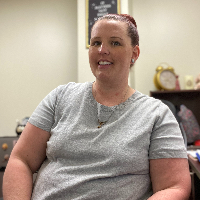

Linda Giles
LPC, LCMHC
Virginia - 28 yrs exp




















How dissociation therapy typically works for Virginia residents
If you are seeking help for dissociation in Virginia, therapy usually begins with a careful assessment of symptoms, history, and current needs. A clinician will ask about experiences that led you to seek support, how dissociation shows up in daily life, and any co-occurring concerns such as anxiety, mood changes, or difficulties with memory and focus. From there, therapists often build a treatment plan that balances safety and symptom reduction with skill development. Many clinicians in the state use a phased approach - first helping you develop grounding and coping skills, then addressing traumatic memories or stressors when you feel ready, and finally supporting integration and recovery of function in daily life.
Approaches and techniques you may encounter
Dissociation-focused therapy can involve several evidence-informed techniques adapted to your situation. Some therapists use trauma-informed cognitive-behavioral strategies to help you recognize patterns of dissociation and develop alternative responses. Others integrate somatic methods that focus on bodily awareness, breathing, and movement to reestablish a sense of being present. For those who and their therapist determine it is appropriate, modalities such as eye movement methods or phase-oriented trauma therapy may be offered as part of a larger plan. Your provider should explain why a given approach is recommended, what it involves, and what goals you can expect.
Finding specialized help for dissociation in Virginia
Locating a clinician who has specific experience with dissociation can make a meaningful difference in your care. You can look for therapists who list dissociation or trauma-focused work as a specialty, and review their training, certifications, and descriptions of clinical focus. If you live near urban centers like Virginia Beach, Richmond, or Arlington, you may find a broader range of specialists and clinics that advertise trauma-informed teams. In more rural areas of the state, clinicians may offer broader behavioral health services and provide targeted dissociation treatment within that scope. It is reasonable to contact a potential therapist and ask about their experience with dissociation, their typical treatment plan, and how they tailor care to individual needs.
Questions to ask when you contact a therapist
When you reach out to a therapist in Virginia, consider asking how much of their practice focuses on dissociation, what approaches they use, and how they handle crisis or sudden increases in symptoms. You may want to know whether they coordinate with other providers such as primary care physicians, psychiatrists, or community supports. Practical questions about session length, frequency, fee structure, and whether they accept your insurance are also important. A clear conversation up front can help you determine if a clinician’s style and availability match what you are seeking.
What to expect from online therapy for dissociation
Online therapy has become a common option across Virginia and can provide easier access to clinicians who specialize in dissociation, especially if local in-person options are limited. If you choose telehealth, expect an initial intake similar to an in-person visit where the therapist gathers background information and discusses goals. The therapist will also review safety planning and how to handle times of distress while you are not meeting in person. Online sessions can include the same therapeutic techniques as face-to-face work, adapted for the virtual setting. Some approaches that rely on physical interventions may be modified, and your clinician will discuss how to adapt exercises or grounding techniques for use at home.
Practical considerations for telehealth
When engaging in online therapy, make sure you have a private area where you can speak without interruptions and a reliable internet connection. Clarify the platform the clinician uses and what to do if a session is interrupted. If you live in Virginia Beach, Richmond, Arlington, or elsewhere in the state, verify that the provider is licensed to practice in Virginia and that they offer telehealth services to local residents. Discuss emergency contacts and local resources with your therapist so there is a plan if you need urgent support between sessions.
Common signs someone in Virginia might benefit from dissociation therapy
You might consider seeking a clinician who understands dissociation if you experience gaps in memory for periods of time, feel detached from your surroundings, notice sudden shifts in identity or behavior, or find yourself losing track of time. People often describe feeling unreal or disconnected from their body or emotions, or noticing that tasks and conversations happen without a clear sense of awareness. These experiences can occur after stressful or traumatic events, or they may develop gradually. If dissociation interferes with work, relationships, schooling, or daily responsibilities, reaching out for an evaluation can help you learn whether therapy focused on dissociation is a fit for your goals.
Tips for choosing the right therapist in Virginia
Choosing a therapist is a personal process that depends on clinical fit, practical considerations, and the therapeutic relationship. Start by reviewing clinician profiles for mentions of trauma-informed care, dissociation, and relevant training. If you live near larger cities such as Richmond or Arlington, you may have more options to compare, but therapists who provide online services can broaden your choices beyond your immediate area. Consider beginning with a brief consultation call to get a sense of the therapist’s approach and whether you feel understood. Pay attention to how they describe treatment planning, how they measure progress, and whether they provide clear options if symptoms change.
Practical steps to begin
Before your first appointment, jot down examples of dissociative experiences, any triggers you have noticed, and goals you want to work toward in therapy. Bring information about prior mental health treatment, medications, and emergency contacts if applicable. During early sessions, expect the therapist to focus on building safety and stability while you both determine the right pace for deeper work. Over time, you and your therapist will refine techniques and strategies that help you stay present and regain control over daily functioning.
Local considerations and ongoing support
Virginia has a mix of urban and rural communities, and access to specialized dissociation care can vary by location. In cities like Virginia Beach and Richmond you may find clinics and practitioners with concentrated trauma specialties, while in other parts of the state clinicians may offer comprehensive behavioral health services that include dissociation treatment. Community resources, peer support groups, and coordination with medical providers can complement individual therapy. If you move between regions or travel frequently, ask about continuity of care and how to maintain progress with occasional changes in setting.
Finding the right therapist for dissociation in Virginia is a process that combines practical research with personal judgment. You can use the listings on this page to begin that search, reach out for consultations, and select a clinician whose approach and availability align with your needs. Over time, a thoughtful, individualized treatment plan can help you develop tools to manage dissociative experiences and improve daily functioning in the settings and relationships that matter to you.