Find a Forgiveness Therapist in Virginia
This page lists therapists in Virginia who focus on forgiveness as part of counseling and healing. Browse practitioner profiles below to compare approaches, availability, and credentials.
Use the listings to contact clinicians who match your needs and begin the process of letting go and rebuilding relationships.



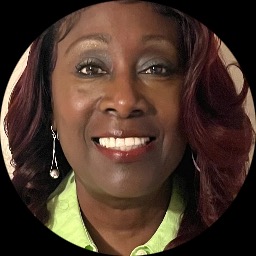

Cheryl H. Williams
LCSW
Virginia - 30 yrs exp












How forgiveness therapy works for Virginia residents
Forgiveness therapy is a focused approach that helps you process hurt, understand your reactions, and decide how you want to relate to past harms. In practice, it draws on several evidence-informed methods - such as cognitive-behavioral strategies, emotion-focused work, narrative techniques, and acceptance-based practices - to help you examine the meaning of what happened and the ways it affects your day-to-day life. A therapist will typically work with you to identify goals, explore the emotions that come up when you think about a specific person or event, and practice new responses that reduce the hold of anger, resentment, or avoidance.
In Virginia, therapists tailor forgiveness work to your context. That might mean addressing family dynamics in multi-generational households, navigating faith and spiritual beliefs in communities across Richmond or Alexandria, or working with veterans and military families near Norfolk and Virginia Beach. The emphasis is on practical, person-centered strategies that help you make decisions about reconciliation, boundaries, and personal wellbeing rather than pressuring you toward a particular outcome.
Finding specialized help for forgiveness in Virginia
When you start looking for a therapist who specializes in forgiveness, begin with profiles that highlight relevant training and experience. Look for clinicians who list forgiveness-focused interventions, trauma-informed care, interpersonal therapy, or grief and loss on their profiles. Licenses such as Licensed Professional Counselor, Licensed Clinical Social Worker, or Licensed Marriage and Family Therapist indicate state-level credentialing and educational background. You can also seek out clinicians who mention work with families, couples, or faith-sensitive counseling if those areas matter to you.
Geography matters in some ways and not in others. If you prefer in-person meetings you may search by city - for example, finding practitioners in Richmond who work with adult survivors of relational harm or therapists in Arlington who have experience with workplace forgiveness issues. If you live in a more rural part of the state, online options expand access and allow you to work with specialists who might otherwise be hours away. Many therapists list their areas of interest and the populations they serve, so check for language skills, cultural competence, and experience relevant to your background.
What to expect from online therapy for forgiveness
Online therapy brings the same clinical tools to a digital format, and it often offers greater flexibility for scheduling around work, caregiving, or travel. Sessions are commonly conducted by video, though some therapists also offer phone or text-based options for certain types of check-ins. You can expect an initial intake that covers your history, goals for forgiveness work, and any safety considerations. After that, sessions typically move between exploring emotions, practicing new ways of thinking about the event, and trying real-world experiments that change how you respond to triggers.
Building rapport online can be as meaningful as in person when both you and your therapist commit to clear communication and boundaries. You should ask about session length, how to handle cancellations, and whether the therapist offers brief check-ins between regular appointments. If you are balancing commitments in Virginia Beach or commuting to Washington-area jobs from Arlington, online sessions can reduce travel time and help you keep therapeutic progress consistent.
Technical and practical considerations
Before your first online appointment, check that your camera, microphone, and internet connection are reliable. Choose a quiet, comfortable setting where you can speak openly without interruptions. If you are concerned about others overhearing, plan for a time when you can be alone or use headphones. Ask your therapist about their approach to managing strong emotions or distress during a remote session and what steps they recommend if you need additional support between sessions.
Common signs that you might benefit from forgiveness therapy
There are several experiences that often lead people to seek forgiveness-focused counseling. If you notice recurring anger or rumination about a past event, find it hard to trust again, or feel stuck in a pattern of avoiding reminders of someone who hurt you, forgiveness work can offer a structured way to move forward. You might also seek help if interpersonal conflicts continue to affect your relationships, if you struggle with guilt or shame about how you responded to harm, or if attempts to reconcile have left you feeling more confused than healed.
People often come for help after life transitions such as a breakup, a family estrangement, or retirement, when old wounds resurface. Others find their work or parenting is impacted by unresolved grievances. In Virginia, the presence of military installations and close-knit faith communities can create unique pressures around reconciliation and forgiveness, so therapists frequently integrate cultural and contextual knowledge into the work.
Tips for choosing the right therapist for this specialty in Virginia
Choosing a therapist is a personal decision and it is okay to speak with more than one person before making a choice. Start by checking basic credentials and reading bios for mentions of forgiveness work, trauma training, or approaches that resonate with you. During an initial consultation, ask about the therapist's experience with forgiveness-specific interventions, how they set goals, and what a typical course of sessions looks like. You can inquire about whether they integrate family or couples sessions if your situation involves others.
Consider practical factors like location, availability, fees, and whether the therapist accepts your insurance or offers a sliding scale. If cultural or faith-based values are important in your healing, ask how the therapist approaches those topics. Pay attention to how the therapist listens and whether their style - direct, reflective, or exploratory - fits your preferences. Comfort and trust often develop over a few sessions, but you should feel respected and understood from the start.
Remember that online therapy widens your options beyond your immediate area. If you live outside major metro areas, you can still work with a clinician in Richmond or Arlington who specializes in forgiveness work. Likewise, if you prefer in-person meetings, look for clinicians near Virginia Beach, Norfolk, or Alexandria and plan visits that align with your schedule.
Next steps and practical considerations
When you find a therapist who seems like a good fit, consider scheduling a brief introductory session to discuss goals and logistics. Be prepared to talk about what forgiveness means to you, past attempts you may have made, and what you hope will change. Setting clear, realistic goals with your therapist helps track progress and keep the work practical. If you have immediate safety concerns or thoughts of harming yourself or others, contact local emergency services or a crisis hotline in Virginia right away for immediate support.
Forgiveness therapy is a process that may take time, and it is tailored to your needs. Whether you are exploring reconciliation, strengthening boundaries, or simply wanting to reduce the emotional charge of a past hurt, a therapist in Virginia can help you find the path that fits your life and values. Use the listings above to compare clinicians, read profiles, and reach out to begin a conversation about what healing could look like for you.