Find a Mood Disorders Therapist in Virginia
This page connects Virginia residents with therapists who focus on mood disorders, including depression and bipolar spectrum conditions. Browse the listings below to compare clinicians by approach, location, and specialty.










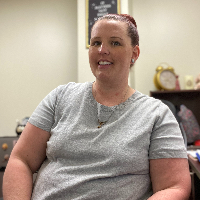
Yasaman Sherbaf
LPC
Virginia - 3 yrs exp













How mood disorders therapy typically works for Virginia residents
If you are seeking help for persistent low mood, intense mood swings, or patterns of emotional highs and lows, beginning therapy often starts with an assessment. Your therapist will ask about your recent experiences, symptom history, daily routines, relationships, and any prior treatment. That assessment helps identify which therapeutic approaches fit your needs and whether you would benefit from individual sessions, family involvement, or coordination with other health professionals. Therapy tends to be a collaborative process - you and your therapist set goals together and adjust the plan over time based on how you respond.
In Virginia, therapists come from a range of professional backgrounds and training. Some counselors focus on evidence-based approaches such as cognitive behavioral therapies that target thought and behavior patterns, while others may specialize in mood regulation skills, interpersonal strategies, or trauma-informed care. Your therapist should explain their methods and how they might help with symptoms like persistent sadness, low energy, or intense irritability. Expect the pace to reflect your comfort level and the complexity of your situation - some people see steady progress within months while others work on longer-term coping skills.
Finding specialized help for mood disorders in Virginia
When you look for a specialist, consider both clinical expertise and practical factors such as location and scheduling. Therapists in university towns and urban centers often have experience with a diverse mix of clients, while providers in suburban and rural areas may bring strengths in long-term relationship-building. If you live near Virginia Beach or Richmond, you will likely find clinicians with a range of specialty training and access to multidisciplinary teams. In Arlington and other Northern Virginia communities, there are clinicians who work with busy professionals and families and who may offer flexible hours.
Specialization can mean different things - some clinicians focus on mood disorders broadly, while others concentrate on specific presentations such as bipolar spectrum conditions or postpartum mood difficulties. You can learn about specialization through therapist profiles that list credentials, licensure, and areas of focus. It is also reasonable to ask about experience with age groups or cultural backgrounds that match your needs. Therapists who have additional training in mood-focused interventions can often describe how their approach addresses the emotional patterns that interfere with daily life.
Local considerations and resources
Access to services varies across the state, so think about convenient options that fit your daily routine. Cities like Norfolk and Alexandria have community mental health resources and private practices that serve a broad population. If transportation or time are concerns, many therapists in Virginia offer sessions outside typical business hours or in locations that are easier to reach. You may also want to ask about sliding scale fees or referrals to clinics that provide care on a different fee structure if cost is a factor.
What to expect from online therapy for mood disorders
Online therapy is an option that many people in Virginia use for convenience and accessibility. When you choose virtual sessions, you should expect a similar structure to in-person care - an initial intake to review your concerns, agreement on goals, and regular sessions to work on strategies. Therapists will use video, phone, or a combination depending on what you prefer and what is clinically appropriate. Effective online therapy depends on clear communication, reliable technology, and a comfortable place where you can speak openly.
Therapists will discuss boundaries around crisis situations and explain how to reach them or other local supports outside session time. If you live in a different part of Virginia from your therapist, it is helpful to confirm licensure details and any logistical differences in how emergency needs are handled. Many people find online therapy helpful for maintaining consistent care when travel or work schedules would otherwise make regular appointments difficult.
Common signs that someone in Virginia might benefit from mood disorders therapy
You might consider reaching out if you notice changes in sleep, appetite, energy, or concentration that last for weeks and interfere with daily responsibilities. Persistent feelings of sadness, hopelessness, or a loss of interest in activities you once enjoyed are reasons to seek evaluation. If you experience periods of unusually high energy, decreased need for sleep, impulsive behavior, or mood swings that affect relationships and work, those can also signal a need for assessment and treatment planning. Many people seek help when mood changes start to affect parenting, school performance, job responsibilities, or social connections.
It is also common to pursue therapy after stressful life events, relationship losses, or when chronic stress compounds underlying mood difficulties. You do not need to wait until a situation becomes overwhelming to get support - early intervention can help you build skills that prevent problems from worsening. If you feel unsure whether therapy is right, a consultation with a clinician can clarify what options might work for you.
Tips for choosing the right mood disorders therapist in Virginia
Start by reviewing profiles and looking for clear information about a therapist's education, licensure, and areas of focus. Read descriptions of therapeutic approaches so you can find someone whose style resonates with you - some therapists emphasize practical skills and strategies while others integrate emotional processing and relational work. Consider logistical fit as well - location, availability, insurance participation, and whether the clinician offers evening or weekend hours. If you live near Virginia Beach, Richmond, or Arlington, you may have more in-person choices; if you are farther from larger centers, online options can expand your access.
When you reach out for an initial conversation, prepare a few questions about experience with mood disorders, typical treatment plans, and what a first few sessions might look like. Ask about how progress is measured and how often the therapist reassesses goals. Trust your instincts about whether you feel heard and respected in that initial contact. It is normal to try a few sessions before determining whether a therapist is the right fit - a good match is one where you feel the professional understands your situation and you can work together toward meaningful change.
Working with other professionals
Many people benefit from coordinated care when mood symptoms are complex. Your therapist can work with primary care providers, psychiatrists, or other specialists if a combined approach is helpful. If you are considering medication or need a medical evaluation, your therapist can often provide referrals or collaborate with a prescriber to support your overall plan. Open communication among your care team helps ensure that interventions align with your goals and daily life.
Next steps
Begin by browsing the therapist listings on this page and read profiles that highlight training and approach. You can contact clinicians to ask about their experience with the specific mood challenges you are facing and arrange introductory calls when available. Whether you choose in-person sessions in a nearby city or online appointments that fit your schedule, taking that first step often brings clarity and momentum. Support is available across Virginia - from coastal communities to urban centers - and finding the right professional can help you move toward steadier mood management and improved day-to-day functioning.