Find a Panic Disorder and Panic Attacks Therapist in Virginia
This page lists therapists across Virginia who specialize in panic disorder and panic attacks, offering in-person and teletherapy options. Browse clinician profiles below to find a mental health professional who fits your needs and preferences.







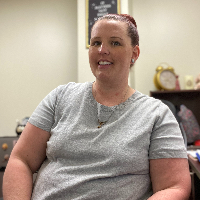
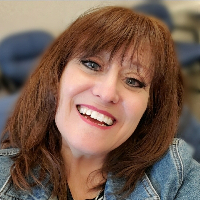




Johne Mitchell
LPC
Virginia - 11 yrs exp









How therapy for panic disorder and panic attacks works for Virginia residents
If you are seeking help for panic disorder or frequent panic attacks in Virginia, therapy typically focuses on teaching skills to manage symptoms, reducing avoidance, and helping you regain confidence in daily life. In the first few sessions a therapist will usually gather your history and your current experience with panic symptoms, then work with you to set clear, achievable goals. Many clinicians combine evidence-based approaches such as cognitive-behavioral strategies with breathing and grounding techniques so you can use practical tools when panic begins.
Therapy is collaborative, so you and your clinician will tailor the pace and techniques to your needs. Some people benefit from weekly appointments to build momentum, while others find a biweekly rhythm sufficient after an initial period of more frequent work. If you live in Virginia Beach, Richmond, Arlington, or another part of the state, you may be able to find clinicians who offer both in-person appointments and remote sessions, which can make scheduling easier around work, school, or family responsibilities.
Finding specialized help for panic disorder and panic attacks in Virginia
When searching for a therapist who specializes in panic disorder, look for clinicians who list panic, anxiety, or panic disorder specifically in their profiles. You may notice therapists who highlight training in cognitive-behavioral therapy, exposure therapy, or treatments focused on panic and anxiety symptoms. These approaches aim to change patterns of avoidance and to reframe the thoughts that amplify panic, while also teaching practical strategies to interrupt attack cycles.
Location matters for logistics, licensure, and insurance. Therapists practicing in Richmond, Arlington, Virginia Beach, Norfolk, and Alexandria can often provide walk-in or office-based care, while many also offer teletherapy across the state for residents in rural or suburban areas. If you have insurance, check whether a therapist is in-network to reduce out-of-pocket costs. If you are paying out of pocket, ask about sliding scale fees or reduced-rate options that some clinicians offer to improve affordability.
What to expect from online therapy for panic disorder and panic attacks
Online therapy can be especially useful if panic attacks make it difficult for you to leave the house or travel to an office. Virtual sessions let you work from a familiar environment and can reduce some barriers to getting started. In an online session you can expect many of the same components as in-person work: assessment, skills training, cognitive restructuring, and guided exposure exercises that you and your clinician agree upon. Therapists often guide you through breathing, grounding, and interoceptive exposure exercises during sessions so you learn to tolerate the sensations that can trigger panic.
Before beginning teletherapy you will discuss logistics such as technology requirements and emergency planning. You and your clinician will agree on a plan for managing intense symptoms between sessions and for contacting local services if you need urgent assistance. For many people in cities like Richmond and Arlington online therapy expands the pool of available specialists, letting you connect with clinicians who have particular experience with panic disorder even if they are not located in your immediate neighborhood.
Common signs that you might benefit from panic disorder and panic attacks therapy
You might consider seeking therapy if panic attacks are frequent, unexpected, or lead you to avoid places or activities that previously felt safe. Panic attacks can feel overwhelming, with heart palpitations, shortness of breath, dizziness, or a sense of impending doom. If these experiences are causing persistent worry about when the next attack will happen, interrupting your daily routines, or affecting your relationships and work, therapy can help you regain control.
Another sign that therapy could be helpful is if you have begun to change your lifestyle to prevent attacks - such as avoiding crowded places, driving less, or refusing invitations - and those changes are limiting your life. Therapy aims to reduce the hold that panic has over your choices by teaching concrete tools to manage symptoms and gradually reintroduce activities that matter to you. Many people in Virginia find that addressing panic earlier makes it easier to maintain relationships, return to work or school, and take part in community life without constant fear.
Tips for choosing the right therapist for this specialty in Virginia
Choosing a therapist is a personal decision and it helps to start by clarifying your priorities. Consider whether you prefer in-person sessions in a local office or the flexibility of online appointments. If you live near Virginia Beach or Alexandria you may prioritize clinicians who offer in-person work, while those in more rural regions may value access to teletherapy options. Think about whether you want a therapist who uses specific techniques such as cognitive-behavioral therapy or exposure therapy, and check profiles for training and experience in panic-related treatment.
Initial contact is an opportunity to ask practical questions - about the therapist's experience with panic disorder, typical session length, fees, cancellation policy, and whether they coordinate care with other providers if you are seeing a psychiatrist or primary care clinician. Trust your impression of how the clinician listens and responds during that first exchange. A good therapeutic fit includes both professional expertise and a personal rapport that makes it easier for you to be open about your experience.
Accessibility is another important factor. If you rely on insurance, verify credentialing and in-network status before scheduling. If you are paying out of pocket, ask about sliding scales or reduced-rate slots. Consider appointment availability as well; some clinicians keep evening or weekend hours which can be helpful if you work during the day. For many Virginians, finding someone who combines the right clinical approach with practical availability makes consistent progress more likely.
Taking the first step in Virginia
Reaching out for help is often the hardest step, but once you do you will find many clinicians across the state ready to support you. Whether you live in a city like Richmond or Arlington or a smaller town, you can find therapists who focus on panic disorder and panic attacks and who provide care in ways that fit your life. Start by browsing profiles, reading clinician descriptions, and scheduling an initial consultation to see how a particular therapist aligns with your goals. With focused treatment and practical strategies you can reduce the impact of panic and rebuild confidence in everyday activities.
If you are ready, use the listings above to compare therapists, check availability, and book a first appointment. Taking that next step can help you move from coping with frequent panic to developing reliable tools that support your well-being across Virginia.