Find a Parenting Therapist in Virginia
This page lists parenting therapists serving families across Virginia, with options available in Virginia Beach, Richmond, Arlington, and surrounding areas. Browse the profiles below to compare specialties, approaches, and availability from therapists who focus on parenting and family dynamics.



















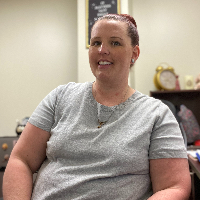
Brandy Peterson
LPC
Virginia - 13 yrs exp




How parenting therapy works for Virginia residents
When you reach out for parenting therapy in Virginia, the process typically begins with an intake conversation to learn about the specific challenges your family is facing and the ages of the children involved. Therapists will gather information about routines, discipline strategies, relationships within the home, and any school or community concerns. From there, they help you set concrete goals - these might include improving communication between caregivers and children, reducing conflict at home, or developing consistent behavior strategies that fit your family's values.
Therapists who practice in Virginia bring a mix of clinical training and practical, hands-on techniques that you can apply between sessions. Some professionals emphasize skills training for parents, such as coaching on praise and consequences, while others integrate family sessions that include children and co-parents to address patterns and repair relationships. If you are considering therapy, most practitioners will describe their typical session structure and what you can expect in the first few meetings so you can decide whether their approach fits your needs.
Finding specialized help for parenting in Virginia
Virginia has a diverse set of practitioners who focus on parenting challenges across different life stages. You can look for therapists who list experience with infants and postpartum adjustment, toddlers and early childhood behavior, school-age conduct and learning-related concerns, or adolescent development and boundary testing. Some therapists also specialize in blended family issues, co-parenting after separation, or parenting a child with developmental differences.
Licensure matters when you are comparing options, because verifying that a clinician is authorized to practice in Virginia helps you understand their training and ethical standards. You may see credentials such as licensed clinical social worker, licensed professional counselor, or marriage and family therapist. Therapists will often note additional training in evidence-based parenting programs, trauma-informed care, or child development. If you live near Virginia Beach, Richmond, or Arlington, you may also find practitioners with experience working with local school systems and community resources, which can be helpful when coordinating care or referrals.
What to expect from online parenting therapy
Online parenting therapy has become a common option in Virginia, offering flexibility when schedules or transportation make in-person visits difficult. When you book an online session, expect to use video conferencing for most appointments, though some clinicians offer phone sessions when video is not possible. The first telehealth visit will typically cover the same intake topics as an in-person meeting - goals, family history, and immediate concerns - and your therapist will explain how remote sessions will be structured.
One practical consideration is the setting you choose for an online appointment. You will want a quiet, interruption-free area where you and any participating family members can speak openly. If a child is part of the session, plan short activities or a calm space so the interaction can proceed without frequent breaks. Therapists can model strategies in the video session and then observe you practicing them in real time, offering feedback and adjustments. Online work can be particularly useful for coaching around bedtime routines, mealtime strategies, or school-related communications when a therapist can see the natural environment and help you apply techniques directly.
Common signs that someone in Virginia might benefit from parenting therapy
You might consider parenting therapy if you notice ongoing struggles that are not improving with usual adjustments. This can include frequent or escalating arguments between caregivers, repeated disciplinary conflicts that leave everyone frustrated, or a child showing persistent behavior problems at home or school. New parents who feel overwhelmed, exhausted, or unsure about bonding with their infant may gain support from clinicians experienced in early parenting challenges. Changes such as a move within the state, a major school transition, or the stresses of co-parenting after a separation can also increase the need for professional guidance.
Other signs include difficulty managing a child's anxiety, sleep or eating disturbances that affect family functioning, or feeling stuck in patterns that increase tension rather than resolve it. If you live in an area like Arlington or Richmond and notice that school concerns or peer relationships are contributing to family stress, a therapist can collaborate with educators and community providers to make a coordinated plan. Seeking help early often reduces the intensity of problems and gives you practical tools to try between sessions.
Tips for choosing the right therapist for parenting in Virginia
Choosing a therapist is a personal decision and it helps to think about both professional fit and practical logistics. Start by identifying the specific issues you want to address and look for therapists who list those areas in their profiles. Experience with the child age range you are concerned about is important because developmental approaches differ greatly from toddler years to adolescence. You can also ask whether a therapist uses particular methods, such as parent management strategies, emotion coaching, or family systems work, and whether they are comfortable including co-parents, caregivers, or children in sessions when appropriate.
Practical questions matter too. Consider whether you prefer in-person visits or the flexibility of online sessions, what times are available - evenings or weekend slots can be important for working families - and whether the therapist works with insurance or offers sliding scale payment options. If you live near Virginia Beach or Alexandria, proximity might make coordination with schools and pediatricians easier. You should feel able to ask about typical session length, how progress is measured, and whether the therapist assigns practice tasks to help you learn skills between meetings. A good match often becomes apparent within the first few appointments when you notice whether communication feels collaborative and your concerns are taken seriously.
Next steps and local considerations
If you are ready to take the next step, reach out to a few therapists to compare how they describe their approach and availability. Many will offer a brief phone consultation so you can gauge rapport and ask about licensure in Virginia, their experience with similar concerns, and any logistical questions. If you are balancing work and family commitments, ask about flexible scheduling or a blend of in-person and online sessions. For families in cities like Richmond, Arlington, or Virginia Beach, it can be helpful to choose a therapist familiar with local schools and community services so referrals and collaborations are easier to arrange.
Parenting is one of the most challenging and important roles you will play, and seeking help is a practical way to learn tools that can change daily life. Whether you are looking for short-term coaching through a specific transition or ongoing support to shift long-standing patterns, a qualified parenting therapist in Virginia can help you build routines and relationships that feel more manageable and fulfilling. Use the listings on this page to compare profiles, ask questions, and schedule an initial conversation with someone who fits your family's needs.