Find a Personality Disorders Therapist in Virginia
This page lists therapists who specialize in personality disorders in Virginia and nearby online options. Browse clinician profiles below to learn about approaches, credentials, and how to get started.
Use the filters to narrow by location, therapy style, and availability, then contact clinicians to schedule an initial appointment.



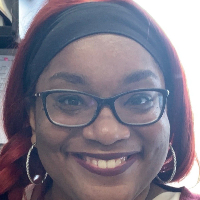
Johne Mitchell
LPC
Virginia - 11 yrs exp














How personality disorders therapy typically works for Virginia residents
When you seek help for patterns of thinking, feeling, and relating that cause persistent difficulty, therapy often begins with a careful assessment. A clinician will ask about your history, typical reactions in relationships, emotional patterns, and current challenges so they can build a collaborative plan. Treatment for personality-related concerns usually blends skill development with deeper therapeutic work - you may practice emotion regulation, build interpersonal effectiveness, and explore long-standing beliefs and experiences that shape your behavior.
Therapy can take different forms depending on your needs and the clinician's training. Some clinicians focus on teaching practical skills to manage symptoms in day-to-day life. Others emphasize understanding the origins of patterns and experimenting with new ways of relating. Many Virginia therapists combine both approaches so you can gain immediate tools while working toward longer term change. Frequency of sessions can range from weekly to multiple times per week, particularly when relationships or intense emotions create ongoing crisis risk.
What treatment looks like in-session
In a typical session you will work with your therapist to identify current challenges, practice skills, and reflect on interactions that felt difficult. Your clinician should explain their approach and check in about progress and comfort with the work. You may be asked to practice skills or experiments between sessions and to track patterns you notice in relationships or mood. The therapeutic relationship itself is a central part of the work - consistent, clear boundaries and collaborative problem solving help create a reliable context for change.
Finding specialized help for personality disorders in Virginia
Finding a clinician with experience in personality-related concerns matters because these presentations benefit from informed, intentional approaches. To find the right fit, consider clinicians who list experience with personality disorders or with specific modalities known to help, such as cognitive-behavioral strategies, dialectical behavior therapy elements, schema-informed work, or mentalization-based approaches. Look at clinician bios to see training, years of practice, and populations served. You may also note whether they offer individual therapy, group programs, or family work, as some therapeutic goals require collaboration across relationships.
Location and logistics play a role in access to care. If you live near Virginia Beach or Richmond you may prefer an in-person clinician for part of your care, while those in Arlington or Alexandria might combine in-person and online sessions. You may also find therapists who concentrate their work with specific age groups, such as adolescents or adults, or with particular issues that often co-occur with personality challenges, like mood regulation or trauma history.
What to expect from online therapy for personality disorders
Online therapy expands access to clinicians who specialize in personality concerns, especially if you live in a smaller locality or need a particular approach that is scarce in your area. With telehealth you can maintain continuity of care if you travel between cities such as Norfolk and Richmond, or if your schedule makes commuting difficult. Sessions conducted via video require the same level of professional conduct and planning as in-person appointments, and many clinicians adapt skill-training exercises and worksheets for remote delivery so you can practice between sessions.
Online work can be a strong option for ongoing therapy, though some people choose to combine it with occasional in-person visits if that feels helpful. When you begin remote therapy, discuss practical details with the clinician - how to manage technology interruptions, expectations about response times between sessions, and how to handle moments of acute distress. A thoughtful clinician will help you create a plan that includes local emergency contacts and supports so you know what to do if you need immediate help between appointments.
Common signs that someone in Virginia might benefit from personality disorders therapy
You might consider seeking specialized help if you notice long-standing patterns that interfere with work, relationships, or your sense of wellbeing. This can include repeated cycles of intense conflict with friends or partners, rapid shifts in how you see yourself, struggles with intense emotions that feel hard to regulate, or patterns of impulsive behavior that lead to regret. You might also experience chronic feelings of emptiness or difficulty trusting others despite wanting connection. These patterns often appear across different contexts and persist over time, rather than being tied to a single life event.
If you are overwhelmed by interpersonal stress, if relationships repeatedly end in similar ways, or if mood swings and anger feel unmanageable, targeted therapy can provide strategies and a supportive place to explore how these patterns developed. It is also common for people to seek help because a loved one or employer has expressed concern about repeated difficulties. Reaching out for an evaluation can give you clearer options and a path forward.
Tips for choosing the right therapist for this specialty in Virginia
Start by clarifying what you want from therapy and the practical constraints you have, such as commuting time or insurance. When you review clinician profiles, pay attention to descriptions of experience with personality-related concerns and to the therapeutic approaches they use. You may want a clinician who emphasizes skills training first, or someone who focuses on insight and relational patterns; either can be valuable depending on your goals. Schedule an initial call or consultation when possible so you can ask about typical session structure, how they handle crises, and what progress might look like over months.
Consider logistical fit as well - whether the clinician works in locations convenient to you, such as Richmond, Arlington, or Virginia Beach, and whether they offer evening or weekend times if you need them. Ask about fees, insurance acceptance, and any sliding scale options so you can plan for ongoing treatment. Trust and rapport matter a great deal in this work, so notice how comfortable you feel discussing difficult material with a clinician and whether their style matches your needs.
Working with families and support networks
Because patterns linked to personality challenges often affect close relationships, some people include family members or partners in parts of treatment. If you want relational work as part of your care, look for clinicians who describe experience with couples or family therapy and who can help set boundaries and goals that feel safe. You can also ask about group programs that teach specific skills - groups provide practice in a social setting and can be especially helpful when learning to manage emotions in relationships.
Next steps and how to get started in Virginia
When you are ready to begin, use the therapist listings to compare clinician backgrounds, approaches, and availability. Reach out to a few clinicians to ask about intake procedures and to get a sense of fit. Many clinicians will offer a brief phone consultation so you can assess whether their approach matches your goals. If you live near major centers like Richmond, Arlington, or Virginia Beach you may have more in-person options, while telehealth can broaden choices across the state.
Finding the right clinician can take time, and it is normal to meet with more than one person before deciding who feels like the best match. The important step is reaching out and starting the conversation about what you want to change. With consistent work and a clinician who understands personality-related challenges, you can build more effective ways of managing emotions and relationships, and find greater stability in everyday life. Browse the profiles below to learn more and contact therapists to schedule an initial consultation.