Find a Postpartum Depression Therapist in Virginia
On this page you will find therapists who specialize in postpartum depression across Virginia, including listings for Virginia Beach, Richmond, and Arlington. Browse the profiles below to compare approaches, availability, and areas of expertise to find a good match.



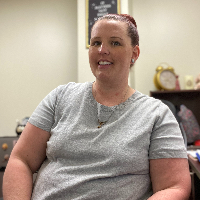












Dr. Lora Horowitz
LPC
Virginia - 5 yrs exp








How postpartum depression therapy works for Virginia residents
If you are seeking help for postpartum depression in Virginia, therapy typically begins with an assessment to understand your symptoms, history, and current supports. During the initial sessions your therapist will ask about mood, sleep, appetite, bonding with your baby, and how day-to-day routines are going. That information helps shape a treatment plan that reflects your goals - whether you want help managing low mood, improving sleep and energy, rebuilding a sense of identity after childbirth, or strengthening relationships with a partner and family members.
Therapists who focus on perinatal mental health often use structured, evidence-informed approaches tailored to new parents. Sessions are usually weekly at first and may become less frequent as you gain skills and coping strategies. Many providers work collaboratively with your medical team - such as obstetricians, pediatricians, or family physicians - to coordinate care when that is helpful. If you are in Virginia, asking a therapist about experience with perinatal care and willingness to communicate with your medical providers can make transitions between services smoother.
Finding specialized help for postpartum depression in Virginia
Finding a therapist who specializes in postpartum depression can feel overwhelming, but focusing on a few practical criteria makes the process easier. Look for clinicians who list perinatal or postpartum depression experience on their profiles and who note specific training in working with new parents. In larger metro areas such as Richmond and Virginia Beach you may find clinicians who also run groups for new parents or who have worked in hospital-based perinatal programs. If you live near Arlington, you might find providers with strong experience supporting working parents and navigating workplace return-to-work issues.
When you review profiles, pay attention to the therapist's stated approaches and populations served. Some therapists emphasize support for breastfeeding parents, others for postpartum anxiety or birth trauma, and some provide family-focused work that includes partners. You can reach out to therapists to ask about their experience with medication coordination if you are working with a prescriber, or whether they offer flexible scheduling for night feedings and nap windows. Many therapists note whether they provide weekend or evening appointments to accommodate parenting schedules.
What to expect from online therapy for postpartum depression
Online therapy is a practical option for many parents in Virginia who need flexible scheduling or who live far from specialist services. When you choose online care, sessions happen over a video platform and follow much the same structure as in-person therapy - assessment, goal setting, skill-building, and review. You should expect an intake that explores your current routines, supports, and any immediate safety concerns. Therapists may offer tools you can use between sessions such as mood tracking, behavioral experiments, and worksheets adapted for the perinatal period.
Online therapy can reduce logistical barriers like travel time, parking, and arranging childcare. It also enables access to clinicians based in other parts of the state who may have specific perinatal expertise you cannot find locally. If you are using online therapy while living in Virginia, confirm that the therapist is licensed to practice in Virginia when sessions are delivered by a clinician located elsewhere. Ask about the technology used, how to handle missed sessions, and whether they offer brief check-ins by message or phone if that fits your needs.
Common signs that someone in Virginia might benefit from postpartum depression therapy
Deciding when to seek help can be difficult, but there are common signs that suggest therapy may be beneficial. You might notice persistent sadness that does not improve over weeks, trouble sleeping beyond typical newborn-related disruptions, a loss of interest in activities you used to enjoy, or intense worry that interferes with daily functioning. Difficulty bonding with your baby, feeling emotionally numb, or intrusive negative thoughts about harm may also indicate a need for professional support. Relationship strain with a partner or family members and trouble returning to work or routines can be additional signals.
If you live in Virginia and are experiencing these symptoms, reaching out for an evaluation is a reasonable step. Early support can help you develop skills to manage symptoms and get back to functioning in the roles that matter to you. If you are worried about safety at any time, contact local emergency services or your medical provider right away. Therapists can also help you build a network of supports in your community, including peer groups and parenting resources in cities like Richmond and Norfolk.
Tips for choosing the right therapist in Virginia
Choosing the right therapist often comes down to fit - how comfortable you feel, whether the therapist listens to your priorities, and whether their approach aligns with your preferences. Start by narrowing your search to clinicians who mention perinatal experience and then look for details about therapeutic approaches. Many parents prefer cognitive behavioral therapy or interpersonal therapy for postpartum depression, while others benefit from trauma-informed care if birth was difficult. If you have cultural or language preferences, search for therapists who note those competencies on their profiles.
Practical considerations matter too. Consider location if you prefer face-to-face sessions, or ask about evening and weekend availability if you have caregiving constraints. In Virginia Beach and Norfolk you may find more evening clinic hours due to larger provider networks, while smaller communities may offer clinicians with daytime availability. If cost is a concern, ask providers about sliding scale fees, insurance participation, and community programs that support perinatal mental health. Many therapists will offer a short phone consultation so you can get a sense of their style before committing to an appointment.
Preparing for your first sessions
Before your first appointment, think about the goals you want to work on and any questions you have about treatment. Having a sense of what matters most to you - better sleep, improved mood, less anxiety during feedings, or stronger connection with your partner - helps your therapist tailor the plan. Bring a list of medications and recent medical notes if you have them, and be ready to discuss your support network. If you are using online sessions, test your device and check for a quiet corner in your home or car where you can speak without interruption.
Connecting with community resources across Virginia
Therapists often help parents connect with broader community supports such as parent groups, lactation consultants, and local maternal health programs. In urban centers like Richmond and Arlington you may find a range of community-based classes and drop-in support groups, while coastal communities such as Virginia Beach may offer specialized resources for parents adjusting to life near military installations or seasonal shifts. Your therapist can help you identify local supports that match your needs and values, and can coordinate referrals when appropriate.
Next steps
Searching for postpartum depression treatment in Virginia starts with exploring profiles and reaching out to providers who feel like a potential fit. You do not have to know exactly what you need before making contact - a short conversation can clarify whether a therapist’s experience and approach match your goals. Whether you pursue online sessions, in-person care, or a combination, finding a clinician who listens to your priorities and supports your parenting journey is a meaningful step toward feeling better and reconnecting with the parts of life that matter most to you.