Find a Relationship Therapist in Virginia
Browse experienced relationship therapists serving Virginia, including professionals in Virginia Beach, Richmond, and Arlington. Use the listings below to compare therapists' training, specialties, and practice formats. Find a provider who fits your needs and request an appointment directly from their profile.













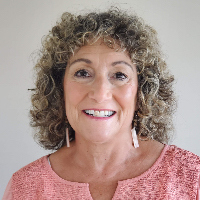
Cheryl H. Williams
LCSW
Virginia - 30 yrs exp










How relationship therapy works for Virginia residents
When you begin relationship therapy in Virginia, the process typically starts with an initial intake session where a therapist asks about your history, the current concerns in the relationship, and your goals for treatment. That first conversation gives you both a chance to see whether the therapist's approach feels like a fit. Over subsequent sessions you and your therapist will explore communication patterns, recurring cycles of conflict, and the practical or emotional barriers that interfere with connection. Some therapists focus on strengthening communication skills and problem-solving, while others explore deeper attachment patterns and emotional responses. Sessions commonly include structured exercises, guided conversations, and take-home practices so you can try new ways of interacting between meetings.
Finding specialized relationship help in Virginia
If you have a particular concern - for example infidelity, blended family dynamics, non-monogamous arrangements, or navigating a major life transition - look for therapists who list that specialty in their profile. Many clinicians in Virginia highlight populations they work with, such as same-sex couples, military families, or partners from different cultural backgrounds. You can narrow your search by location if you prefer in-person work - for instance, therapists based in Virginia Beach may have experience with military relocation and coastal community stressors, while practitioners in Richmond and Arlington may offer services tailored to urban schedules and diverse communities. Consider therapists who describe the specific methods they use and the types of relationships they serve, so you can find someone whose experience aligns with your needs.
What to expect from online relationship therapy
Online sessions have become a common option for relationship work, and they can be a practical choice if you or your partner have busy schedules, live in different parts of Virginia, or prefer the convenience of meeting from home. When you choose online therapy, expect many of the same components you would in person - intake, goal setting, skills practice, and regular review of progress - adapted for a video format. Your therapist may use screen sharing for worksheets, guide you through exercises on camera, and assign homework to practice between sessions. You should confirm that the therapist is licensed to practice in Virginia and that they explain how they handle appointment scheduling, cancellations, and fees for telehealth sessions. Preparing a quiet, comfortable setting and testing your technology before the first session can help you make the most of online meetings.
Practical considerations for virtual sessions
Before your first online appointment you may want to check whether your device supports video sessions and whether your internet connection is stable enough for a reliable call. Ask the therapist about their preferred video platform and what to do if a connection drops. If you live in a household with limited privacy, plan for a time and room where you can speak openly without interruptions. Many Virginia therapists are skilled at helping couples use the online format to deepen understanding and practice new interaction patterns, even when partners are joining from different rooms or different cities such as Arlington or Richmond.
Common signs you might benefit from relationship therapy
You might consider seeking relationship therapy if you notice persistent patterns that cause distress, such as frequent arguments that do not resolve, repeated feelings of disconnection, or a decline in physical or emotional intimacy. Other signs include avoidance of important conversations, recurring trust issues, difficulty co-parenting, or stress related to major life events like deployment, job changes, or relocation. If one or both partners feel overwhelmed by the same issues month after month, or if you find yourself repeating the same painful conversations without progress, therapy can offer new tools for change. Therapy is also a resource when you want to strengthen a functioning relationship by improving communication, deepening trust, or preparing for a life transition together.
Tips for choosing the right relationship therapist in Virginia
Start by clarifying what you want to achieve in therapy - better communication, rebuilding trust, navigating a separation, or improving parenting partnerships. Use those goals to evaluate therapist profiles for relevant experience and stated approaches. Pay attention to credentials and whether the therapist notes specialized training in relationship-focused models or couples work. It is reasonable to ask about a therapist's experience with cases similar to yours and how they typically structure sessions. Consider logistics as well - location, hours, fees, and whether they accept your insurance or offer sliding scale options. If you live near Virginia Beach or Alexandria, you may prefer clinicians who understand the local community context. If you are balancing work and family demands in Arlington or Richmond, look for therapists who offer evening or virtual appointments.
What to ask during an initial consultation
During a brief introductory call you can ask how the therapist approaches couples work, how they measure progress, and how long they typically work with couples facing similar issues. You might inquire about session format - whether they meet with both partners together, offer a mix of joint and individual sessions, or include coaching-style interventions. Asking about fees, cancellation policies, and communication between sessions will help you assess fit. Trust your impressions of whether you feel heard and understood in that first conversation - rapport is an important factor in whether therapy will be helpful.
Local considerations and community resources in Virginia
Virginia offers a range of services and community networks that can complement relationship therapy. Some areas have couples workshops, parenting programs, or support groups that address specific issues like grief, substance use, or military family transitions. If you live near larger metro areas such as Richmond or the Northern Virginia region, you may find specialized clinics and multidisciplinary teams that work with relationship concerns alongside medical and social services. For coastal communities like Virginia Beach, clinicians may be experienced in handling seasonal stressors, relocation-related strain, and the particular challenges of military-connected families. When you search listings, consider whether a therapist's local experience aligns with the life circumstances you and your partner face.
Taking the first step
Reaching out to a therapist can feel daunting, but many people find the first step to be the most important toward improving their relationship. Use the directory listings to compare profiles, read about therapists' approaches, and look for those who describe experience with issues like yours. Booking an initial consultation lets you ask practical questions and get a sense of how you might work together. Whether you choose in-person sessions in a nearby office or online appointments that fit your schedule, the right therapist can help you develop new ways of relating and make meaningful progress on the goals you set as a couple.