Find a Therapist of Color Therapist in Virginia
This page lists therapists of color practicing across Virginia, offering culturally informed care for a range of concerns. Explore clinician profiles by location, specialty, and approach, then browse the listings below to find a good fit.

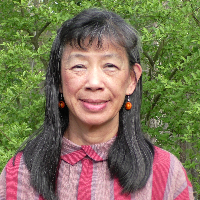




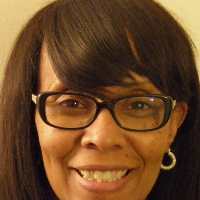
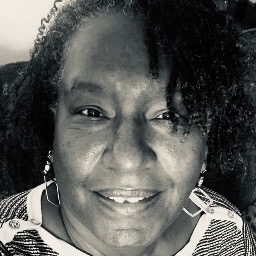
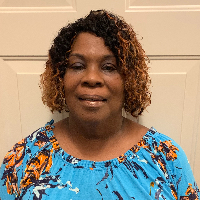
Cheryl H. Williams
LCSW
Virginia - 30 yrs exp

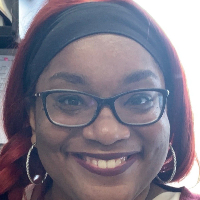
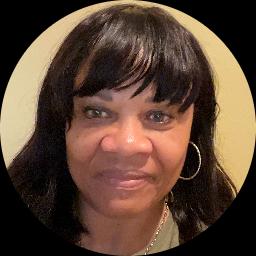
Yasaman Sherbaf
LPC
Virginia - 3 yrs exp





How therapist of color therapy works for Virginia residents
Therapist of color therapy centers cultural context, lived experience, and the specific ways race and ethnicity shape mental health and relationships. In practice this means your clinician may bring personal or professional familiarity with issues such as racial stress, identity development, immigration and acculturation challenges, and intergenerational family dynamics. For many people in Virginia, whether you live in an urban center like Richmond or Virginia Beach or in a quieter suburban or rural community, working with a therapist of color can help you explore experiences that mainstream treatment has not always addressed directly.
Therapists of color often integrate culturally responsive approaches with evidence-based techniques. That can include talk therapies, trauma-informed care, family systems work, and culturally adapted interventions that honor community norms and values. You should expect conversations that acknowledge structural and interpersonal aspects of race, while also focusing on practical strategies for coping, communication, and healing.
Finding specialized help for therapist of color in Virginia
Start by looking for profiles that describe cultural competence, language abilities, and experience with the issues you are facing. Many clinicians note whether they have experience with race-related stress, identity formation, immigrant communities, or faith-based perspectives. Consider whether you prefer someone who shares aspects of your identity or someone with targeted training and long experience working with diverse populations. In cities such as Arlington and Richmond there tends to be a wider variety of therapists of color, while in smaller towns you may rely more on telehealth options to access a close match.
Licensing and credentials matter because they indicate a baseline of training and oversight. You can also pay attention to therapy approach - cognitive behavioral therapy, psychodynamic work, somatic approaches, and family therapy are common frameworks. Reading a therapist's biography and looking for client-centered language about cultural humility, ongoing education, and community involvement will give you a sense of how they approach culturally informed care. If you have questions, reach out to clinicians directly to ask about their experience with the specific concerns you bring.
What to expect from online therapy for therapist of color
If you choose online therapy, you can expect many of the same clinical elements as in-person work - an initial intake conversation, goal-setting, regular sessions, and check-ins on progress. The online format can be especially helpful if you live outside major hubs like Virginia Beach or Richmond and want access to therapists whose backgrounds closely match yours. You should plan to create a private space for sessions, test your technology beforehand, and agree with your clinician on how to handle scheduling, cancellations, and urgent situations.
Online sessions can make it easier to see a therapist who speaks your language, practices a particular modality, or has a specialty in culturally specific matters. personal nature of sessions practices and record-keeping differ among clinicians, so ask how your therapist manages notes and communications. A strong therapeutic relationship translates to video or phone work when the clinician is attentive to cultural nuances and responsive to your concerns. For many people, starting online is a convenient way to begin therapy while preserving continuity if you move within Virginia or travel for work.
Common signs you might benefit from therapist of color therapy
There are several signs that culturally focused therapy might be particularly helpful for you. If you find yourself frequently processing race-based incidents at work, in school, or in your neighborhood, and those experiences impact your mood, relationships, or sense of safety, a therapist of color can offer targeted strategies. If identity questions - about racial, ethnic, or cultural belonging - are a persistent source of confusion or conflict, therapy can provide a reflective space to explore those questions without having to educate your clinician about the basics.
You might also benefit if you feel misunderstood by therapists who do not attend to cultural context, or if intergenerational tensions related to migration, language, or cultural expectations create ongoing stress in your family. People coping with microaggressions, overt discrimination, or trauma that is linked to cultural identity often find that a therapist of color can validate their experience while helping them build coping skills and resilience. Symptoms like persistent anxiety, disrupted sleep, withdrawal from relationships, or difficulty functioning at work or school are practical signals that seeking help could improve your day-to-day life.
Tips for choosing the right therapist for this specialty in Virginia
Begin by clarifying what matters most to you - shared identity, language, a certain therapeutic approach, or experience with a particular issue. Use search filters and read biographies to narrow the list, then prepare a few questions to ask during an initial consultation. Ask about the therapist's experience with race-related stress, how they integrate cultural context into treatment, and what outcomes you can expect. You can also inquire about their experience with clients from your community, whether they offer family or couples work, and how they approach crises or urgent concerns.
Consider practical factors such as location, availability, insurance acceptance, and sliding scale options. If you live near large centers like Virginia Beach, Richmond, or Arlington you may find more local choices, but do not overlook telehealth as a way to connect with a clinician elsewhere in the state. Pay attention to how you feel during a consultation - do you feel heard and understood? Trust your instincts about whether a therapist’s communication style and cultural awareness align with your needs.
Questions to ask in early sessions
It can help to bring a short list of priorities to your first sessions. Ask how the therapist conceptualizes the role of culture and race in therapy, and request examples of how they have worked with similar concerns. Discuss preferred methods for giving feedback and adjusting the treatment plan if something is not working. Being explicit about your goals, values, and any boundaries will make it easier to shape a collaborative relationship.
Practical steps to get started in Virginia
Begin by searching clinician profiles and narrowing by location, language, and specialties. If you prefer in-person work, focus on therapists near your city or neighborhood; if convenience is paramount, prioritize availability for online sessions. Reach out for a short consultation to get a sense of rapport and to ask about logistics like session length, fees, and whether they accept your insurance. Keep in mind that it is normal for the first few sessions to feel exploratory - give the relationship a few meetings to develop while remaining open to finding a different match if needed.
For many people in Virginia, connecting with a therapist of color can be an important step toward healing and growth. Whether you live near the coast in Virginia Beach, in the capital area around Richmond, or in Northern Virginia around Arlington, there are ways to find clinicians who honor your cultural experience and support the changes you want to make. Use the listings above to compare profiles, and reach out when you are ready to schedule a consultation and take the next step.