Find a Cognitive Behavioral Therapy (CBT) Therapist in Virginia
Cognitive Behavioral Therapy (CBT) is a practical, goal-focused form of therapy that helps people learn skills to change unhelpful thoughts and behaviors. You can search listings below to find CBT practitioners who work with adults, adolescents, and families across Virginia.
Browse profiles to compare approaches, specialties, and availability to find a therapist who fits your needs.













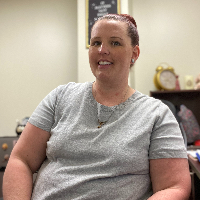
Yasaman Sherbaf
LPC
Virginia - 3 yrs exp










What is Cognitive Behavioral Therapy (CBT)?
Cognitive Behavioral Therapy, often called CBT, centers on the connection between thoughts, feelings, and behaviors. It assumes that the ways you interpret situations influence how you feel and what you do, and that changing unhelpful thought patterns and testing new behaviors can reduce emotional distress and improve daily functioning. CBT is typically structured and goal-oriented, with a focus on the present and on practical strategies you can apply between sessions. Therapists work collaboratively with you to identify patterns that keep problems going and to develop alternate, more useful responses.
How CBT is practiced by therapists in Virginia
Therapists across Virginia adapt CBT to fit individual needs and local contexts. Whether you are living near Virginia Beach, commuting to Richmond, or working in Arlington, providers often combine traditional CBT techniques with culturally responsive care and an understanding of the communities they serve. Some therapists emphasize cognitive restructuring - the practice of identifying and reworking negative thoughts - while others focus on behavioral activation, exposure practice for avoidance patterns, or skills training for emotional regulation. In many clinics and private practices you may find therapists who tailor standard CBT to specific concerns like insomnia, trauma-related symptoms, or relationship stress, ensuring that treatment fits your goals and lifestyle.
What issues CBT is commonly used for
You will find CBT applied to a wide range of emotional and behavioral challenges. Therapists use CBT strategies to address persistent worry and anxiety, low mood and depression, panic symptoms, and repetitive behaviors linked to obsessive-compulsive tendencies. It is also commonly used to help with stress management, sleep difficulties, and lifestyle changes that affect mental wellness. When symptoms are connected to work or relationship strains, CBT can help you identify patterns and rehearse different responses. Therapists working with young people may adapt exercises to be more interactive and age-appropriate, while adults might focus on problem-solving and coping plans relevant to family and employment demands.
What a typical online CBT session looks like
If you choose an online CBT appointment, the session structure will feel familiar and focused. You and your therapist generally begin with a brief check-in about recent events and mood, followed by setting an agenda for what you hope to address that day. Sessions often include a mix of conversation, skill coaching, and collaborative problem-solving. Your therapist might guide you through cognitive techniques to examine unhelpful thoughts, suggest behavioral experiments to test assumptions, or teach relaxation and grounding skills. Many therapists assign brief practice exercises or simple worksheets to complete between sessions so you can apply new skills in daily life.
For online work, you will be encouraged to choose a quiet, uninterrupted location where you can speak openly. Your clinician will review logistics such as how to contact them between sessions in case of urgent needs and what to expect in terms of scheduling and fees. Some practitioners offer short orientation calls so you can ask about their CBT training, session length, and how they track progress. The goal is to make the online session feel collaborative and practical, with clear tasks and pacing that match your priorities.
Who is a good candidate for CBT?
CBT tends to fit well when you want targeted, skill-focused help for specific problems or patterns. If you are willing to try exercises, reflect on your thinking patterns, and practice techniques outside of sessions, CBT can be especially useful. People who prefer a structured approach with clear goals and measurable steps often find CBT comfortable. It is also adaptable to many stages of life - teens, adults, and older adults can all engage in CBT when techniques are tailored to developmental and cultural needs.
There are situations where a therapist might recommend combining CBT with other supports. If symptoms are complex or longstanding, CBT can be one part of a broader plan that includes family work, medical consultation, or longer-term psychotherapy. If you are unsure whether CBT is right for you, an initial consultation with a listed therapist in your area can help clarify whether their approach matches your needs and expectations.
Finding the right CBT therapist in Virginia
Start by thinking about the practical details that matter to you. Consider whether you prefer online sessions, in-person meetings, or a mix of both. If you live near Virginia Beach or Norfolk, accessing in-person care may be convenient, while those in Arlington or Richmond might find a wider range of evening or weekend options. Look at therapist profiles to check licensure, years of experience, and training in CBT or related skill-based approaches. Many therapists will note specialties such as anxiety, depression, trauma-informed care, or work with adolescents - these details can help you narrow your choices.
When contacting a therapist, ask about how they structure CBT work, what a typical treatment timeline looks like, and how they measure progress. You might inquire about session length, cancellation policies, and whether they offer sliding scale fees or accept your insurance. It is also reasonable to ask about the therapist's approach to cultural factors and how they adapt techniques to fit your identity and life situation. The right fit often comes down to how comfortable you feel with a therapist's style and whether their goals align with yours.
Questions to consider during your search
Think about questions such as: How do they define progress? What homework or between-session practice do they expect? Do they have experience with issues similar to yours? How do they handle crises or urgent concerns? Asking these questions early can give you a clearer sense of whether a therapist's approach will mesh with your needs. If you live in a busy metro area like Richmond or commute through Arlington, also verify availability and whether the therapist offers flexible scheduling.
Making the most of CBT in Virginia
Once you begin working with a CBT therapist, actively engaging in exercises and being open about what does and does not work will help you get the most from sessions. Track small changes in mood, behavior, sleep, and daily functioning so you and your therapist can adjust strategies. Many people find that regular practice of skills learned in CBT leads to gradual, practical improvements in how they respond to stressors. If circumstances change - for example, a job move to Virginia Beach or a shift in family responsibilities - bring those updates to your therapist so the plan can be revised accordingly.
Exploring therapist profiles in this directory is a practical first step. Use the listings to compare training, specialization, and formats, and reach out to therapists who describe a CBT approach that resonates with you. A brief initial conversation can provide clarity about fit and next steps. When you find a therapist whose approach aligns with your goals, you can begin a focused, collaborative process designed to build skills you can use beyond the therapy session.
If you are ready to begin, browse the CBT therapist listings for Virginia Beach, Richmond, Arlington, and other communities across the state to find a provider and schedule a consultation that meets your needs.