Find a Women's Issues Therapist in Virginia
This page lists therapists in Virginia who specialize in women's issues, including reproductive health, perinatal concerns, trauma, and life transitions. Browse the profiles below to compare specialties, locations, and approaches to find a clinician who fits your needs.





Yasaman Sherbaf
LPC
Virginia - 3 yrs exp



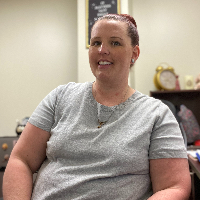



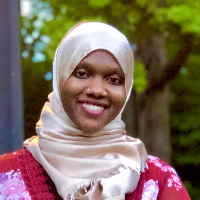


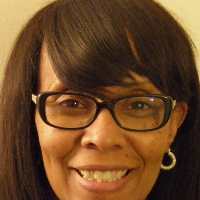








How women's issues therapy works for Virginia residents
When you seek therapy for women's issues in Virginia, the process often begins with an intake conversation to understand your history, current concerns, and goals. Therapists who focus on women's issues may have additional training in areas such as reproductive mental health, postpartum and perinatal care, hormonal transitions, relationship dynamics, and recovery from gender-based trauma. Whether you opt for in-person sessions in a community near you or choose online appointments, the typical course of care includes assessment, collaborative goal setting, and ongoing sessions where you and your clinician track progress and adjust strategies as needed.
Your therapist will use evidence-informed approaches appropriate for the concerns you bring, adapting techniques to fit your preferences and cultural context. In Virginia, clinicians may be licensed at different levels and hold certifications in specialized modalities such as trauma-informed care or perinatal mental health. You are encouraged to ask about training, experience, and therapeutic approach during an initial consultation so you can decide whether a clinician is a good match.
Finding specialized help for women's issues in Virginia
Locating a therapist who understands the nuances of women’s health and life transitions starts with narrowing what matters most to you. Some clinicians concentrate on reproductive mental health, helping with issues related to fertility, pregnancy loss, or reproductive surgery. Others focus on perinatal and postpartum support, offering strategies for mood changes, anxiety, and adjusting to new parenting roles. Trauma-informed specialists help those working through past abuse, intimate partner violence, or sexual trauma. You can look for therapists who name these specialties in their profiles or who list relevant training and certifications. If you live near Virginia Beach, Richmond, or Arlington, you may find clinicians who combine these specialties with local resources like maternal health clinics or community support groups.
Geography matters differently for different people. If transportation or time is a concern, online therapy expands your options and lets you work with clinicians who practice across the state. If in-person care feels more helpful, search within your region to find a therapist whose office is convenient to where you live or work. Many therapists also coordinate care with medical providers when needed, and you can ask whether they are comfortable collaborating with your obstetrician, gynecologist, or family doctor.
Licensing and what to look for
Therapists may hold licenses such as Licensed Clinical Social Worker, Licensed Professional Counselor, or Licensed Marriage and Family Therapist. Licensing indicates they have met state requirements for education, supervised practice, and exams. In Virginia, you can ask clinicians about their licensure, years of experience, and any specialized certifications. Therapists who list perinatal mental health training, trauma-focused interventions, or experience with reproductive loss often have specific strategies for those challenges. Asking about these qualifications helps you make a more informed choice.
What to expect from online therapy for women's issues
Online therapy has become a common option and can be particularly useful if you live in a rural part of Virginia or have scheduling constraints. When you choose virtual care, you can expect an initial orientation to the platform and guidelines for how sessions will run. Therapists will generally set expectations about session length, cancellation policies, and what to do in an emergency. Online therapy allows you to maintain continuity of care through life changes, including pregnancy, relocation, or work travel.
Many people find online sessions helpful for discussing sensitive topics because they can meet from a familiar environment of their choice. If you are living in a busy household, you might arrange to attend from your car or another quiet space when possible. Be sure to ask the therapist about privacy practices for telehealth and what you can do to create a comfortable setting during sessions. Some clinicians offer a combination of online and occasional in-person visits, which can be useful if you prefer periodic face-to-face meetings while mainly receiving virtual care.
Common signs you might benefit from women's issues therapy
You may find it helpful to seek a clinician who specializes in women's issues if you are noticing persistent mood changes around hormonal events like menstruation, pregnancy, postpartum, perimenopause, or after surgical procedures that affect reproductive health. Intense anxiety, prolonged sadness, intrusive memories, or difficulty functioning in daily life after a reproductive event are also reasons to reach out. Other indicators include relationship strain related to fertility or parenting decisions, grief after pregnancy loss, or feeling overwhelmed by social expectations about gender roles and caregiving responsibilities.
If you are navigating an eating-disordered behavior that began or changed in relation to body changes, or if you experience sexual health concerns that affect your emotional well-being, a therapist with women’s health experience can offer targeted support. You may also benefit from a specialist if you are coping with trauma that intersects with gender - for instance, assault or coercive relationships - and you want a therapist knowledgeable about the specific dynamics that can arise in these situations.
Tips for choosing the right therapist for this specialty in Virginia
Choosing a therapist is a personal decision and it helps to be prepared. Start by clarifying your priorities: Do you want someone with experience in perinatal mental health, reproductive trauma, or life-stage transitions such as menopause? Are you looking for in-person care in cities like Richmond or Arlington, or does online flexibility matter more? Once you have a sense of priorities, read clinician profiles for descriptions of their approaches and training. Pay attention to language that describes collaborative care, cultural humility, and experience with issues you identify with.
During an initial consultation, ask about the therapist’s experience with similar concerns and how they typically structure therapy. Ask what a typical session includes and how they measure progress. Talk about practical matters like appointment availability, fees, and whether they accept your insurance or offer a sliding scale. If you have a preference for a particular therapeutic style - such as cognitive-behavioral techniques, psychodynamic work, or trauma-focused interventions - mention that early so you can assess fit. Many people speak with more than one clinician before deciding, and that process can help you compare how comfortable you feel and how well each therapist listens and responds to your goals.
Accessing care across Virginia
Access to specialized care can vary depending on where you live, but many clinicians serve multiple communities through online sessions, which helps bridge gaps for those outside larger metropolitan areas. If you live in or near Virginia Beach, Richmond, or Arlington, you may have access to clinics and community programs that provide additional supports such as groups for new parents, reproductive health counseling, or trauma recovery workshops. Even if those resources are not local, a therapist can often connect you with virtual groups, community hotlines, and other supports tailored to your needs.
Finding the right therapist for women's issues is a process, and it often begins with a single conversation. Trust your sense of fit, and give yourself permission to try a different clinician if the first match does not feel right. With the right support, you can find tools and perspectives that help you navigate reproductive transitions, healing from trauma, and the many life changes that affect women at different stages.