Find an Autism Therapist in Washington
This page lists clinicians who specialize in autism across Washington, offering profiles, specialties, and service formats. Browse the listings below to compare professionals in Seattle, Spokane, Tacoma and other communities.


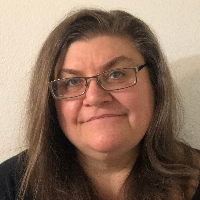
Patricia Sumlin
LMFT
Washington - 25 yrs exp





















How autism therapy typically works for Washington residents
If you are exploring autism therapy in Washington, it helps to know that services usually begin with an assessment and move toward individualized goals. Therapists often work with families, schools, and other providers to create practical plans that target communication, social skills, daily living, and sensory needs. Frequency and format vary - some people attend weekly in-person sessions, others combine clinic visits with coaching for caregivers, and many use online options when travel or scheduling is a barrier.
Assessment and goal-setting
The first phase you will encounter is an intake and assessment. This is where a clinician learns about developmental history, current strengths and challenges, and the priorities of the person seeking support and their family. Assessments may include direct observation, standardized tools, and conversations with parents, teachers, or other adults involved in daily life. From there, the therapist outlines goals that are realistic and measurable, so progress can be tracked over time.
Therapeutic approaches you may encounter
Therapists draw on different approaches depending on the needs of the person in therapy. You may encounter behavioral strategies that focus on learning and reinforcement, communication-focused approaches that support language or alternative communication systems, occupational therapy techniques that address sensory processing and daily skills, and social skills work that helps with peer interactions. Many clinicians blend elements from multiple traditions to create an individualized plan that fits your situation.
Finding specialized help for autism in Washington
When searching within Washington, consider location, experience, and the age groups a clinician serves. Urban centers such as Seattle, Spokane, and Tacoma will offer a wider range of specialists and clinic settings, while smaller cities and rural areas may rely more on therapists who provide teletherapy or travel to satellite clinics. Look at clinician profiles for training, years of experience with autism, and whether they offer parent coaching, school consultation, or multidisciplinary coordination.
Local options and resources
Washington has a mix of private practices, community clinics, and educational supports. In larger metropolitan areas you will often find clinicians who specialize in early childhood work, adolescent transition planning, or adult services. If you live in or near Bellevue or Vancouver you may find practices that collaborate with local schools and pediatric providers. For many families, combining community resources, school-based supports, and outside therapy creates the most consistent pathway to progress.
Working with schools and community programs
Your therapist can be an important partner with educational teams. In Washington public schools, therapists frequently participate in planning meetings to align therapy goals with classroom supports. If your child receives services through an individualized education program, a therapist can help translate clinical goals into classroom strategies and coach teachers or aides. Community programs, recreation departments, and peer groups also provide opportunities to practice social and daily living skills in real-world settings.
What to expect from online therapy for autism
Online therapy is a common option in Washington, particularly when you need flexibility or live far from a specialist. In teletherapy sessions you can expect many of the same components as in-person work - assessment conversations, guided practice, goal setting, and caregiver coaching - delivered through video. Some interventions translate well to online formats, especially parent-mediated approaches and social skills coaching for older children and adults. Technology needs are generally straightforward: a device with a camera, a reliable internet connection, and a quiet area for the session.
Clinical considerations and setup
Before starting online therapy, discuss how the therapist measures progress remotely and what materials you may need at home. Sessions that rely on play or hands-on activities may require brief preparation or adjustments so the clinician can observe and guide effectively. Many therapists use a mix of live coaching and recorded activities that you can review between sessions. If there are concerns about sensory or behavioral challenges, the therapist will outline safety planning and caregiver support to help manage those moments during virtual sessions.
Common signs that someone in Washington might benefit from autism therapy
You may consider seeking an evaluation or therapy if you notice developmental differences in social communication, such as limited back-and-forth conversation, difficulty making eye contact, or challenges understanding nonverbal cues. Repetitive behaviors, intense interests that limit participation in other activities, or strong sensory sensitivities that affect eating, dressing, or school participation are other reasons to explore therapy. For older children and adults, struggles with forming friendships, managing daily routines, or coping with transitions can also indicate that specialized support could be helpful.
Tips for choosing the right therapist for this specialty in Washington
Choosing a therapist is a personal decision and it helps to be prepared when you reach out. Start by clarifying what you want from therapy - whether it is improving communication, building independent living skills, reducing meltdowns, or supporting school success. Read clinician profiles to understand their experience with autism, the populations they serve, and the specific therapies they use. Consider whether you want an approach that involves caregiver coaching, school collaboration, or direct one-on-one work, and ask potential therapists how they measure outcomes and adjust goals over time.
Questions to ask and practical considerations
When you contact a therapist, inquire about availability, typical session length, and whether they offer evening or weekend appointments if that is important to your schedule. Confirm whether they accept your insurance or offer sliding scale options, and ask how they coordinate with schools or other providers. Think about the logistics - whether in-person visits are convenient in your city or whether online sessions would better fit your routine. It is also reasonable to request a brief consultation to get a sense of the therapist’s style and whether you feel comfortable working with them.
Living in Washington means you have options across diverse communities - from the urban resources in Seattle to clinicians serving families in Spokane and Tacoma. Use the listings above to compare specialties, formats, and practical details so you can select a therapist who matches your needs. If you are unsure where to start, a short conversation with a local clinician can clarify next steps and connect you with the supports that best fit your family or your own goals.